Western Australia crater may be Earth's oldest impact site, but debate continues
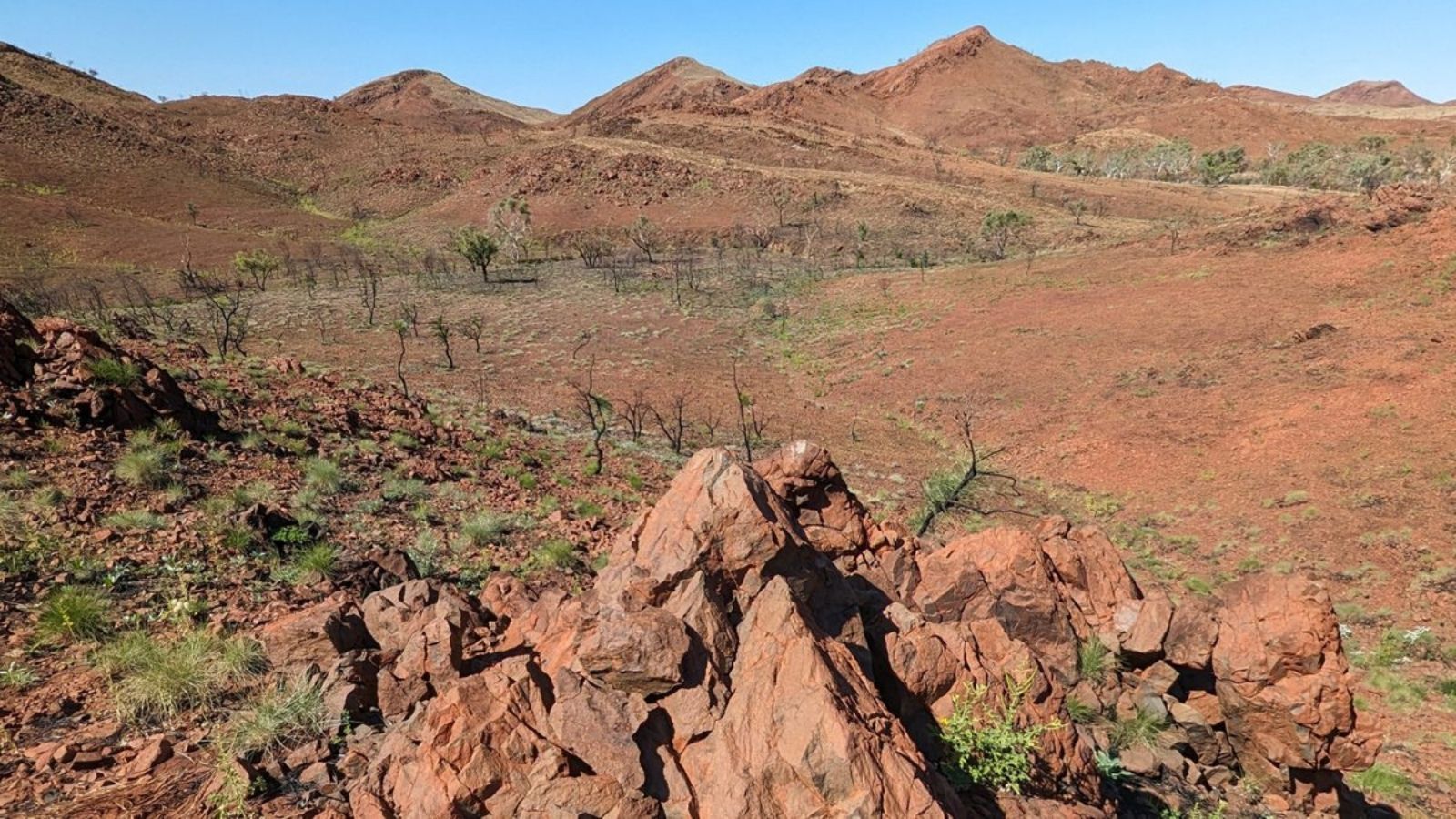
A massive geological structure in Western Australia, known as the North Pole Dome or Miralga impact crater, could be the oldest known asteroid strike site on Earth, according to new research. However, the proposed age remains subject to scientific disagreement.
The crater, first identified in 2025 by researchers led by geologist Chris Kirkland from Curtin University, is estimated to stretch up to 100 kilometres across. It contains distinctive shatter cones, rare geological features formed only by powerful impact events such as asteroid collisions.
The original study, published in a peer-reviewed journal, suggested the impact occurred around 3.47 billion years ago. This estimate was based on the ages of surrounding rock layers rather than direct dating of the impact site itself. The method has drawn scrutiny from some scientists who argue that absolute confirmation requires more direct evidence.
If confirmed, the finding would surpass the current oldest known impact crater, the Yarrabubba crater in Western Australia, which is dated at about 2.29 billion years old. The North Pole Dome would be nearly 1.2 billion years older.
Experts not involved in the study have noted that while the evidence of an impact is strong, the precise age remains uncertain. Further fieldwork and laboratory analysis are needed to verify the timeline. The debate highlights the challenges of dating ancient geological events on Earth, where erosion and tectonic activity have erased much of the early record.
The research adds to our understanding of Earth's early history and the role of asteroid impacts in shaping the planet's crust and atmosphere. It also underscores the importance of continued scientific investigation and peer review in advancing knowledge.