Perseid Meteor Shower Peaks This Week: When, Where and How to Watch
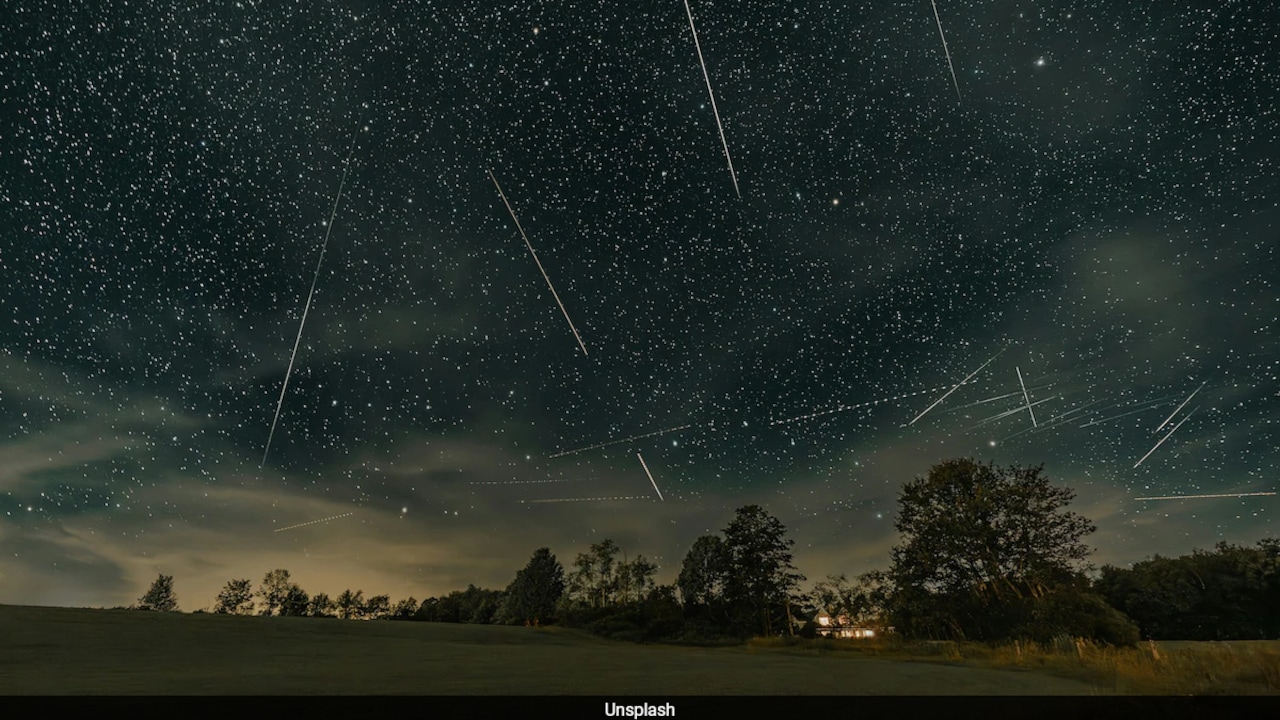
The Perseid meteor shower, one of the most anticipated celestial events of the year, reaches its peak this week, and skywatchers in the Northern Hemisphere are expected to get a particularly good show.
The shower is expected to be most active from Wednesday night into Thursday morning. This year, the peak coincides with a total solar eclipse visible in parts of Spain, Iceland and Greenland, as well as a six-planet alignment. However, the eclipse takes place during daylight hours in those regions, while the meteor shower is best seen after midnight, when the sky is darkest and the constellation Perseus is high in the northern sky. The planetary alignment, involving six planets, is another morning event and is not connected to the meteor shower, but it adds to a busy week for skywatchers.
According to NASA, observers under ideal conditions — with clear skies and no artificial light — could see between 50 and 100 meteors per hour. The American Meteor Society estimates a more conservative 30 to 50 meteors per hour from rural areas.
Meteor showers are annual events caused by the Earth passing through trails of debris left behind by comets and, sometimes, asteroids. These particles enter the atmosphere at high speeds and burn up, creating streaks of light commonly known as shooting stars. Random meteors can be seen on any clear night, but showers are predictable and occur at the same time each year.
The Perseids are caused by debris from comet 109P/Swift-Tuttle, an icy ball that orbits the sun every 133 years. Its next return is not expected until 2125. Observations of this meteor shower date back more than 2,000 years, making it one of the most well-known and well-documented displays in the night sky.
The Perseids are a perennial favourite because they often produce bright fireballs, and the warm summer nights make it comfortable for stargazers to spend time outdoors. "We don't have to suffer through a cold winter night to get a good view of meteors," said Zach Vanderbosch, an astronomer at McDonald Observatory in Texas.
This year's viewing conditions are further improved by the new moon, which means the sky will be darker and fainter meteors will be easier to spot. "New moon means we don't have moonlight flooding the sky, and you tend to see way more meteors as a result," said Aparna Venkatesan, an astronomer at the University of San Francisco.
To catch the Perseids, experts recommend going outside after dark, away from city lights and cloudy skies. The best views are typically between midnight and dawn, when the constellation Perseus is high in the sky. The meteors appear to radiate from that constellation, but they can be seen in all parts of the sky. No telescopes or binoculars are needed; the naked eye is sufficient to enjoy the display.
Viewers should give their eyes at least 30 minutes to adjust to the darkness. Vanderbosch suggests picking a specific patch of sky to focus on and waiting for a quick, bright streak to pass, even if it appears in peripheral vision. He also advises against looking at mobile phones, as the screen light can disrupt night vision.
"There's just something magical about it," Vanderbosch added.