India's NavIC Navigation System Loses Independence After Satellite Failure, Government Confirms
For the first time since positioning data from one of its satellites was lost in March, the Indian government has acknowledged in Parliament that the country's seven-satellite navigation constellation, NavIC, can no longer independently aid navigation.
In a written reply, Union Minister of State for Space Dr Jitendra Singh stated that the NavIC constellation currently has only three satellites—IRNSS-1B, IRNSS-1I, and NVS-01—providing Positioning, Navigation, and Timing (PNT) services. However, a minimum of four operational satellites is required to offer basic positioning service. Consequently, NavIC cannot provide standalone positioning, though timing services remain functional.
The Indian Space Research Organisation (ISRO) had earlier informed that the IRNSS-1F satellite, launched in March 2016, had completed its designed mission life of 10 years and its on-board atomic clock had stopped functioning. This loss reduced the constellation's operational capacity.
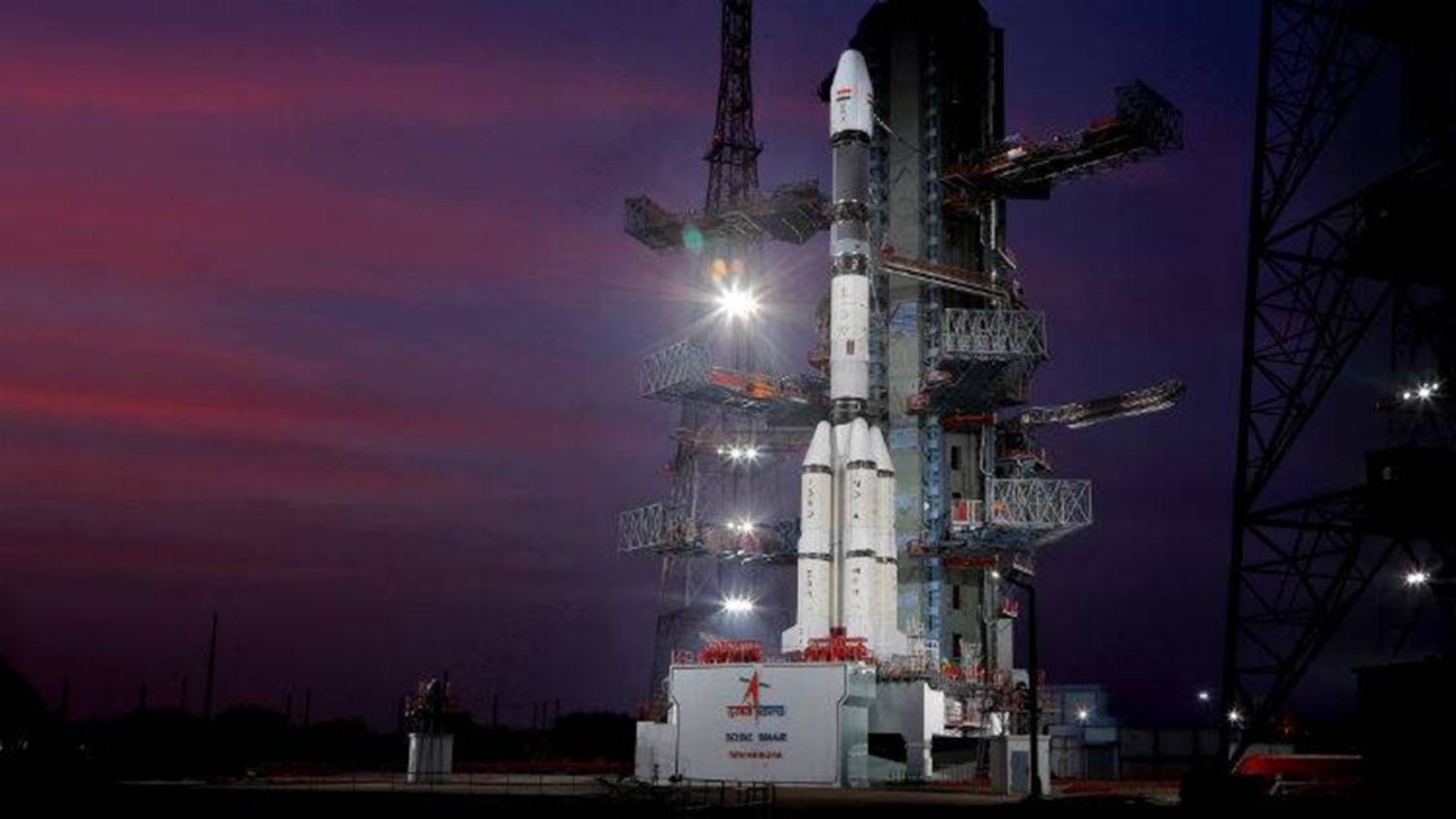
To restore full functionality, ISRO is preparing the next NavIC satellite, NVS-03, for launch, while two more satellites—NVS-04 and NVS-05—are in advanced stages of realisation. These satellites are expected to replenish the constellation and restore independent navigation capability.
NavIC, which stands for Navigation with Indian Constellation, is India's indigenous regional satellite navigation system designed to provide accurate positioning over the Indian landmass and surrounding regions. The current limitation underscores the critical need for timely replacement of aging satellites to maintain the system's independence.