🏠 News Empire
science

Vikram-1 Launch Success: A Testament to India's Space Sector Public-Private Partnership, Says ISRO Chief

Published on: 30 Jul 2026, 02:22 PM
Vikram-1 Launch Success: A Testament to India's Space Sector Public-Private Partnership, Says ISRO Chief

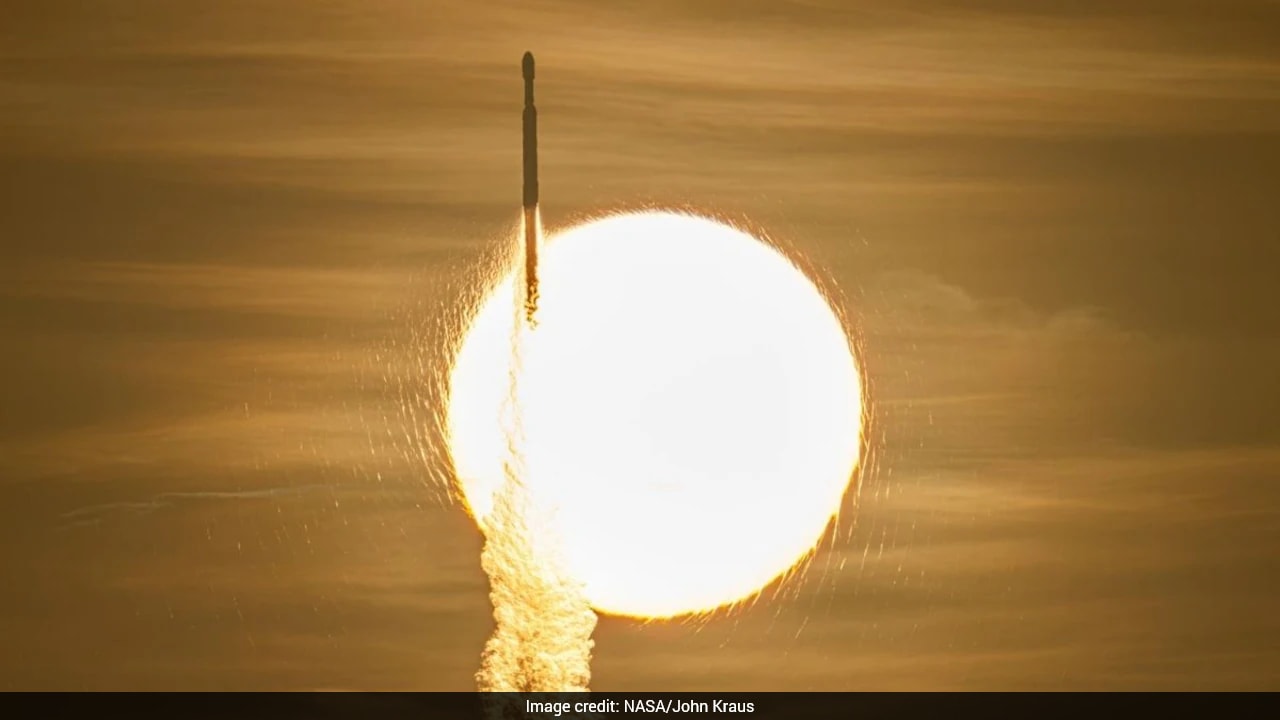
The successful launch of Vikram-1 by Skyroot Aerospace underscores the strength of India's public-private partnership in the space sector and the continued support from the Indian Space Research Organisation (ISRO) to the emerging commercial ecosystem, ISRO Chairperson V. Narayanan said on Thursday.

Delivering the convocation address at the 14th convocation of the Indian Institute of Space Science and Technology (IIST) at Valiamala, Dr. Narayanan described the space sector reforms in India as a 'transformational milestone' that has opened unprecedented opportunities for private participation.

Dr. Narayanan highlighted India's global leadership in several critical areas of space operations, citing achievements such as the discovery of water-related evidence on the Moon and the historic soft landing near the lunar south pole through the Chandrayaan mission.

Governor Rajendra Vishwanath Arlekar, the chief guest, said that modern education should not create followers but individuals capable of mastering themselves and becoming leaders. He told the students that even space is no longer the limit for their aspirations, and that India's growing capabilities across science, technology, and national security have transformed global perceptions of the country. The Governor credited the nation's scientists and engineers for these achievements and called upon the IIST graduates to contribute meaningfully towards the vision of Viksit Bharat.

A total of 332 degrees were awarded, including 129 Bachelor of Technology (BTech), 23 Dual Degree (BTech-MTech/MS), 146 Master of Technology (MTech) and Master of Science (MS), and 34 Doctor of Philosophy (PhD) degrees across various academic departments.

B.N. Suresh, Chancellor of IIST, presided over the function. Among those present were U.P. Rajeev, Director of Vikram Sarabhai Space Centre; N. Jayan, Director of Liquid Propulsion Systems Centre (LPSC); and IIST Vice-Chancellor Dipankar Banerjee, who presented the annual report.
Latest in Science 10
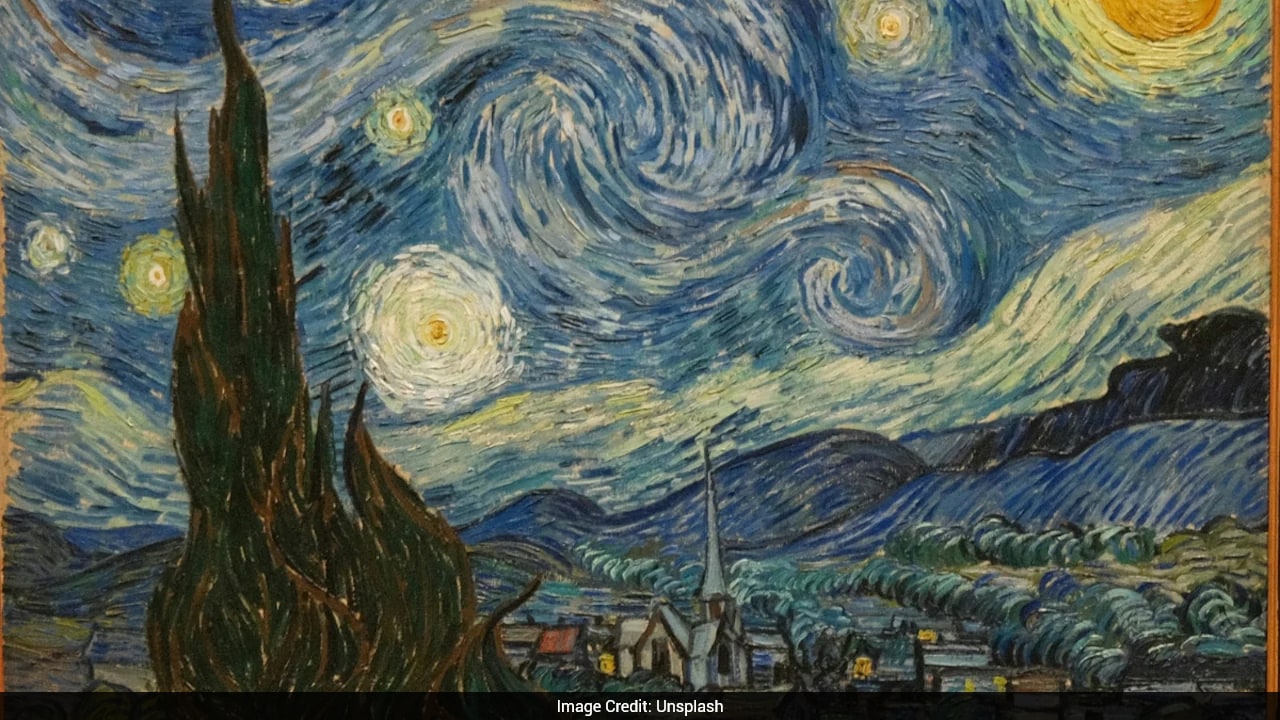
Did Van Gogh Paint 'The Starry Night' on July 22, 1889? New Study Offers a Date
science

Did Van Gogh Paint 'The Starry Night' on July 22, 1889? New Study Offers a Date

A study from Kyung Hee University in South Korea suggests that the positions of the Moon, Venus and the Hyades star cluster in The Starry Night best match the dawn sky of July 22, 1889, as seen from the asylum where Van Gogh stayed in southern France. The researchers say observation and imagination may have combined in the work and accept their findings are not conclusive. The Van Gogh Museum in Amsterdam maintains the painting was made in June 1889.

NDTV 25 Oct 2026, 02:08 AM
Read More →
Hyderabad scientists find the protein that lets cells spot a virus — and raise the alarm
science

Hyderabad scientists find the protein that lets cells spot a virus — and raise the alarm

Scientists at CSIR-CCMB in Hyderabad have identified a protein, DZIP3, that both detects viral RNA inside human cells and switches on the immune response, triggering the production of Type I interferons. The pathway was shown to offer protection against SARS-CoV-2, Chikungunya and Japanese Encephalitis viruses, suggesting potential for broad-spectrum antiviral drugs. The team is now working on small-molecule candidates to boost DZIP3 activity, though any treatment remains years away.

The Hindu 22 Oct 2026, 01:57 PM
Read More →
Kodavas Are Three Distinct Populations, Not One, Finds Genetic Study
science

Kodavas Are Three Distinct Populations, Not One, Finds Genetic Study

A peer-reviewed study has found that the Kodava (Coorg) community of Kodagu in Karnataka is not a single population but three genetically distinct groups, Coorg1, Coorg2 and Coorg3, whose histories stretch back up to 3,000 years. The research, published in Communications Biology, also points to male-mediated migration from Central Asia and the Middle East followed by assimilation with indigenous South Asian women.

The Hindu 18 Sep 2026, 01:51 PM
Read More →
→ View All Science News