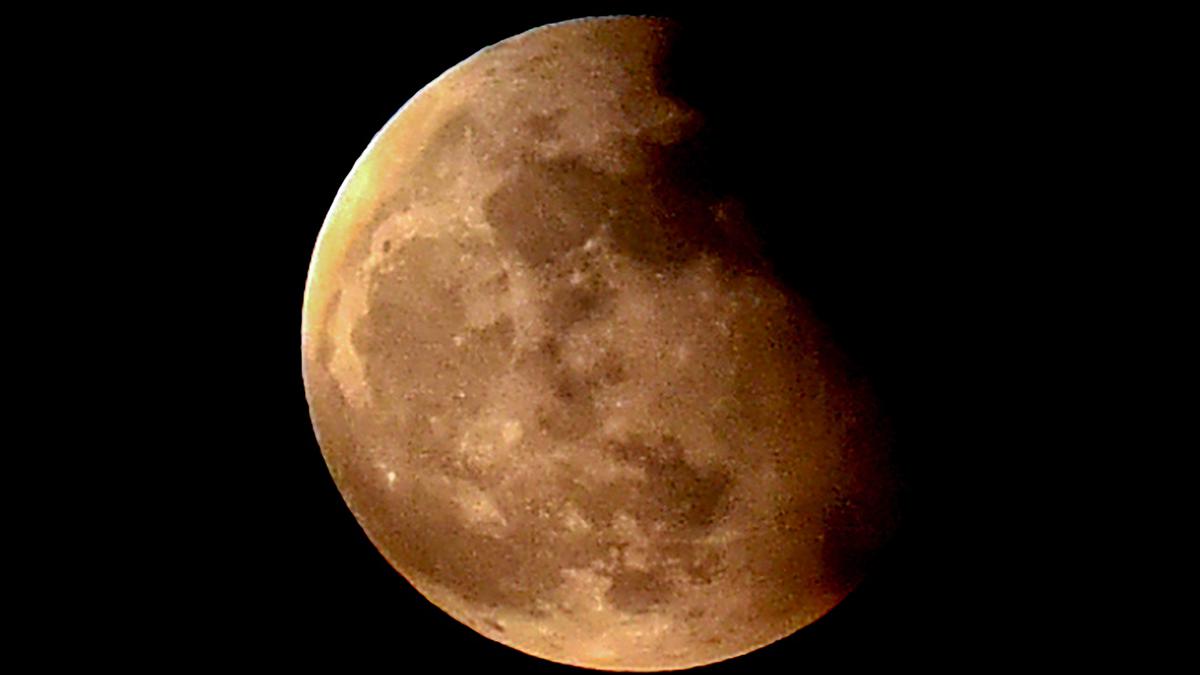
Four-Tonne SpaceX Rocket Piece Expected to Crash Into Moon; No Threat to Earth
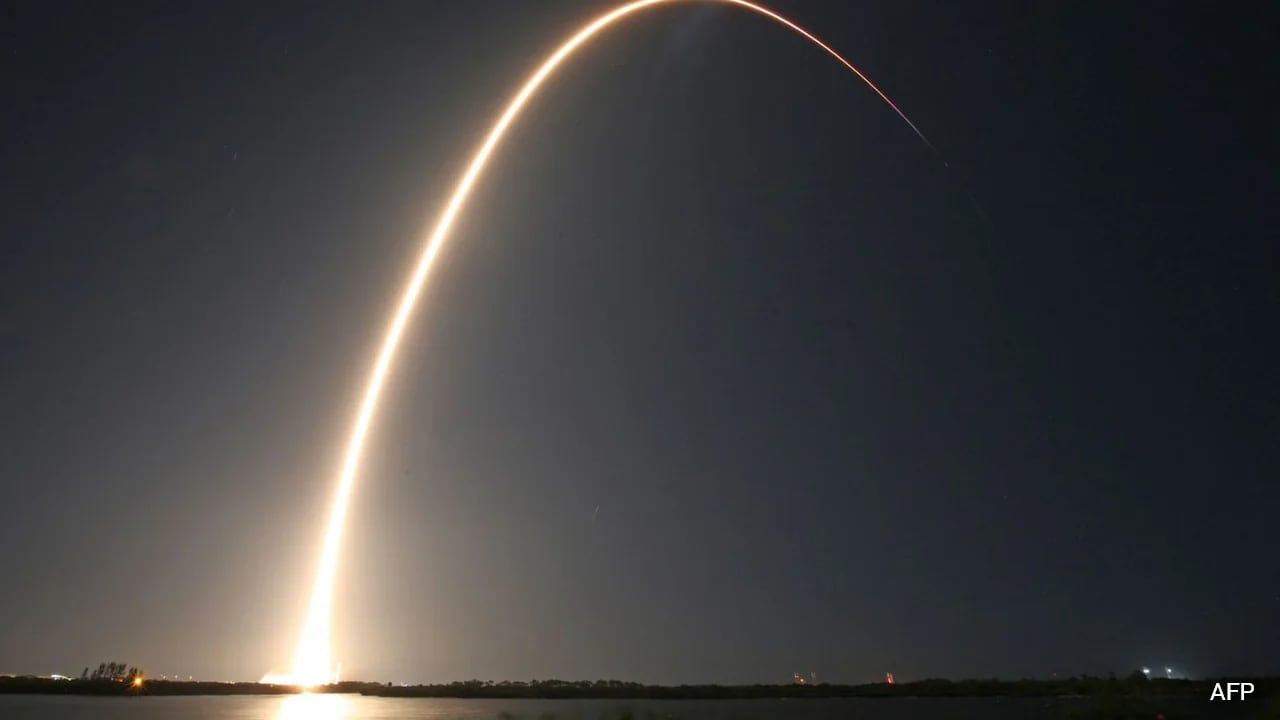
A four-tonne section of a SpaceX Falcon 9 rocket was expected to crash into the Moon's surface on Wednesday, an event that poses no danger to Earth but could leave a new crater on the lunar landscape. While there has been no official confirmation of the impact, the upper stage of the rocket was projected to hit near the Einstein Crater in the Moon's northern hemisphere at approximately 0635 GMT, travelling at about 5,400 miles per hour (8,690 kilometres per hour).
NASA's Lunar Reconnaissance Orbiter and South Korea's Danuri (Pathfinder Lunar Orbiter) are expected to image the crash site, though it may take several days for the data to be transmitted back to Earth. Scientists and amateur astronomers were eagerly anticipating the event, hoping to observe the plume of rubble and debris thrown up by the collision.
Benjamin Fernando of Los Alamos National Laboratory in New Mexico, lead author of a recent paper on the anticipated impact, said it might be possible for telescopes to spot the ejecta plume. “It is unclear how bright it will be, which is one of the reasons why we are looking to study this event,” he explained.
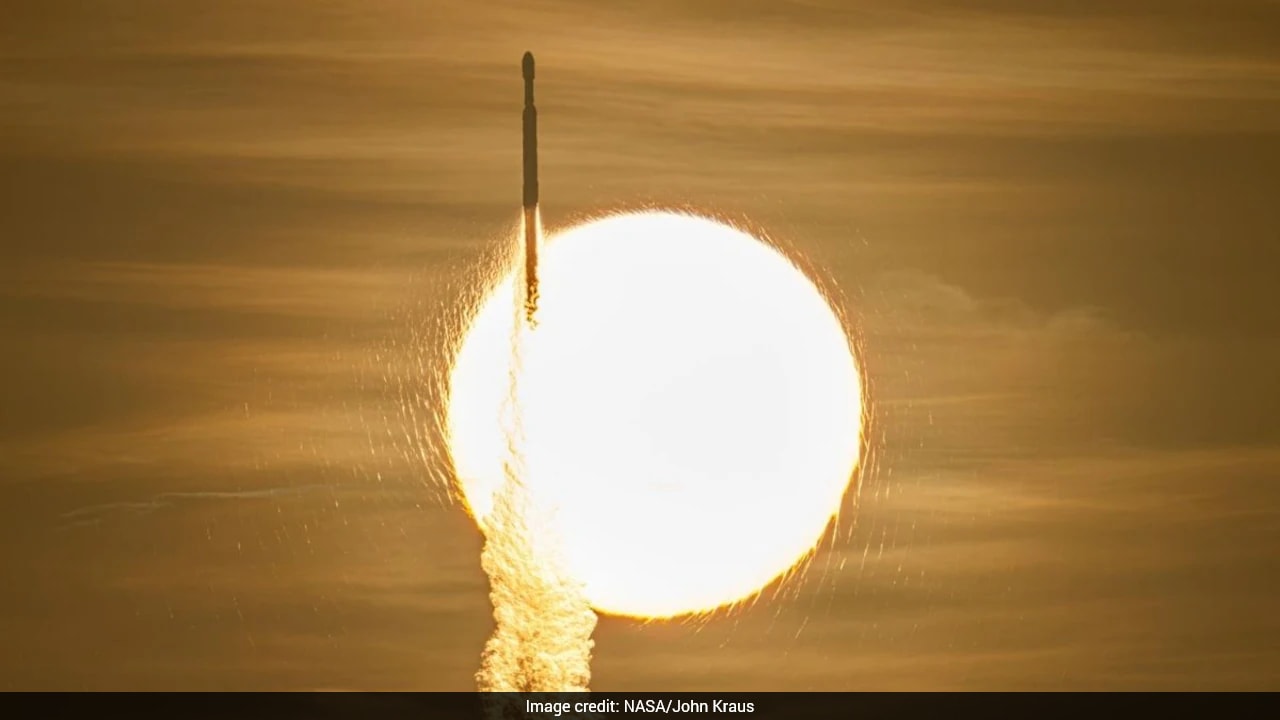
The rocket stage originated from a Falcon 9 launch in January 2015 that carried the Deep Space Climate Observatory (DSCOVR) satellite into space. The upper stage remained in orbit after separating from the satellite. According to Julianna Scheiman, director of NASA Science and Dragon Programs at SpaceX, the company usually performs a manoeuvre to ensure the second stage is disposed of safely after such high-energy missions. “We did that, but what has happened is essentially a mixture of solar activity and gravity forces have put it on a path towards the Moon,” she said at a news conference.
NASA spokesperson Jimi Russell confirmed there was no danger to Earth. “NASA will continue to track the booster for training purposes, as well as later observe the impact site for scientific purposes,” he said.
The event offers a rare opportunity to study the effects of a human-made impact on the Moon. Researchers writing in a paper on the collision said it would help test methods for locating lunar impacts for future seismic experiments, investigate dust and plume dynamics, and assess hazards from artificial space debris.
The Moon routinely experiences impacts from meteoroids and other natural objects. Artificial crashes are less common. During the Apollo program in the 1970s, NASA intentionally crashed rocket stages to collect seismic data. This latest event is an unintended addition to that history.
The incident also highlights growing concerns about space debris around Earth. The European Space Agency reported that more than 46,000 pieces of space junk, weighing a total of 17,000 tonnes, currently orbit the planet. Some experts warn that a buildup of debris could trigger a dangerous chain reaction of collisions known as the Kessler syndrome.
As NASA works toward establishing a sustained human presence on the Moon, understanding the behaviour of space debris and its potential effects on lunar exploration becomes increasingly important. The impact of this rocket stage, though unintended, may provide valuable data for those efforts.