Scientists Confirm Iron-Rich Brine Causes Antarctica's Blood Falls
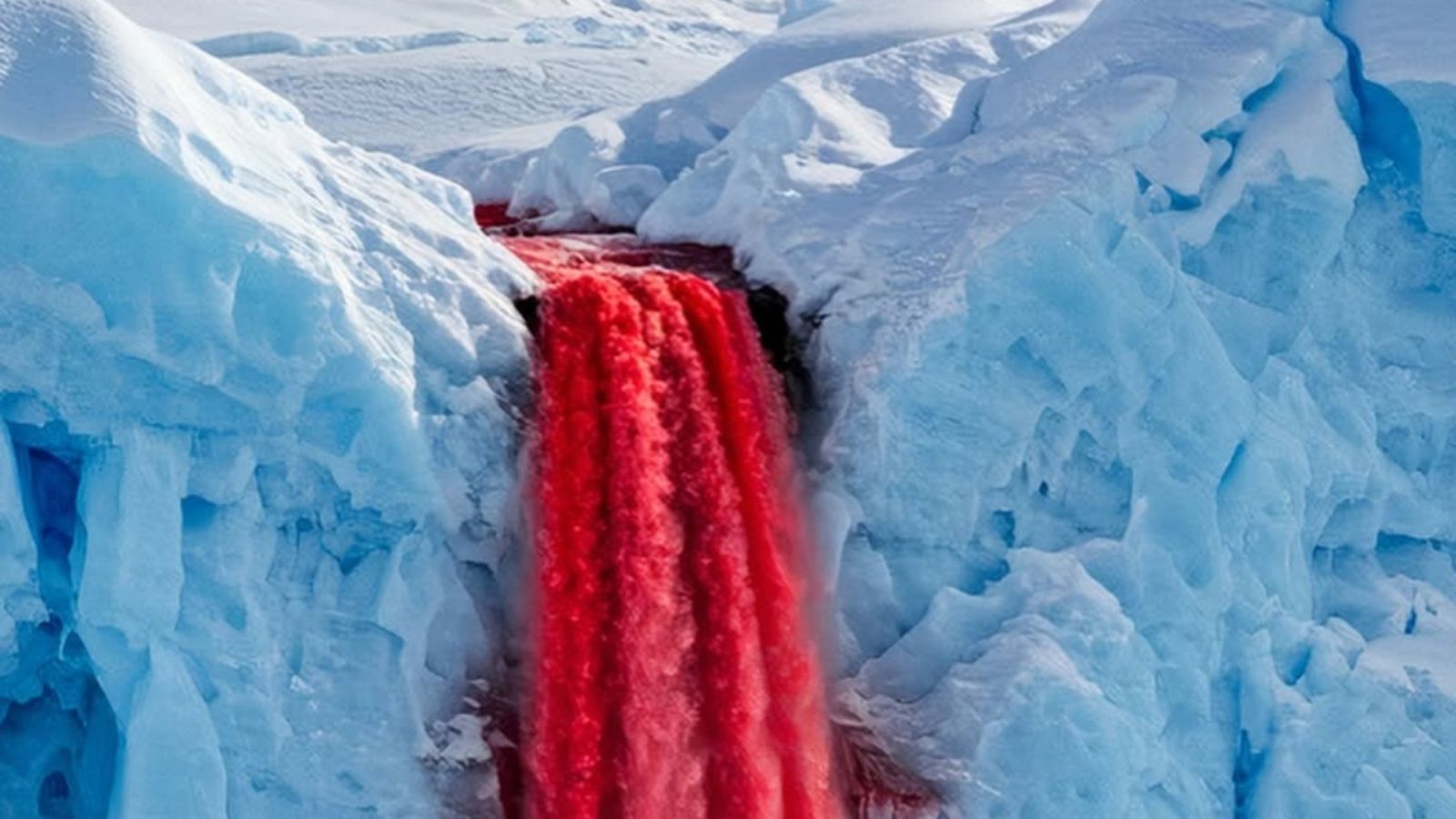
For over a century, the deep-red waterfall known as Blood Falls in Antarctica has intrigued scientists and visitors. Located in the McMurdo Dry Valleys, the waterfall emerges from Taylor Glacier and flows into Lake Bonney. Its striking colour led to early speculation that it might be blood or volcanic in origin.
First discovered in 1911 by Australian geologist Griffith Taylor, the phenomenon remained a mystery for decades. However, recent research has confirmed that the red colour is due to iron-rich brine trapped beneath the glacier. When the iron-rich water comes into contact with oxygen, it oxidises, creating a rust-like hue.
Scientists from the University of Alaska Fairbanks and other institutions have now pieced together the process. The brine is sourced from a subglacial reservoir that has been sealed for millennia. The water flows through fissures in the ice, picking up iron and other minerals before emerging at the surface.
The findings, published in the journal Frontiers in Astronomy and Space Sciences, help explain not only the geological processes in Antarctica but also provide insights into possible microbial life in extreme environments. The brine supports a unique ecosystem of microbes that thrive without sunlight.
Understanding Blood Falls also has implications for planetary science, as similar processes might occur on Mars and other icy moons. The research demonstrates how natural phenomena can be explained through careful scientific investigation, without resorting to speculation.