Venezuela Earthquake Death Toll Rises to 920; India Urged to Learn from Disaster Preparedness Gaps
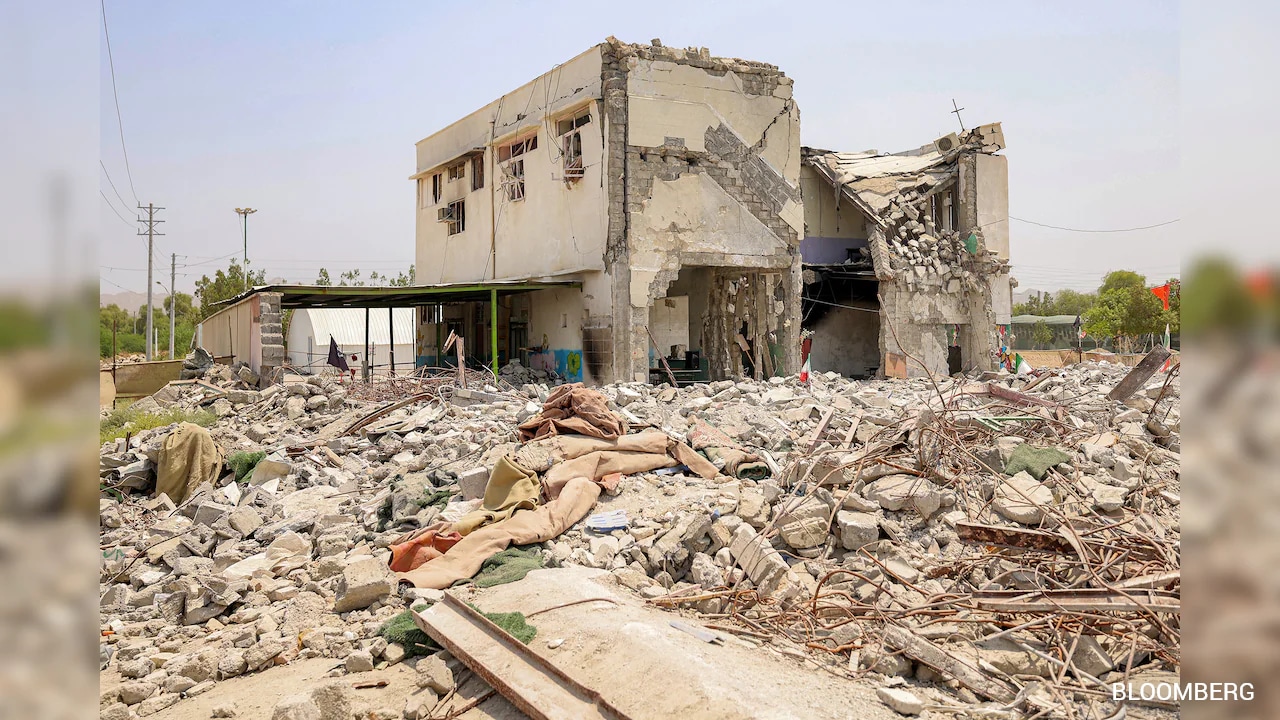
On Wednesday, two earthquakes of magnitudes 7.1 and 7.5 struck seconds apart in northern Venezuela, causing widespread destruction in Caracas and the state of La Guaira. As of Friday, National Assembly President Jorge Rodriguez reported 920 dead and 3,360 injured. In La Guaira, over a hundred buildings collapsed into rubble.
Geologically, such severe earthquakes are unusual for Venezuela. The country lies along a strike-slip boundary between the South American and Caribbean plates, where tectonic stress accumulates slowly over generations before being released in a sudden event. Seismologists describe the twin quakes as a 'doublet' — a complex rupture interaction similar to the 2023 Türkiye-Syria earthquakes that killed over 55,000 people. The shallow depth of these quakes, less than 30 kilometers, amplified the ground shaking directly beneath populated areas.
The United States Geological Survey (USGS) has warned that the eventual death toll may exceed 10,000, citing historical patterns of such events. Rescue operations are ongoing, with international aid beginning to arrive. India has offered assistance, including search teams, medical supplies, and logistical support.
However, the disaster serves as a stark reminder for India, which faces its own seismic vulnerabilities. Nearly 79% of Indians live in areas with moderate to severe earthquake risk, and 95% of earthquake deaths occur in small, one- to three-storey houses that are not subject to building codes. Earlier this year, the Bureau of Indian Standards (BIS) withdrew a decade-long study that had found seismic hazards along the Himalayan front significantly underestimated. The study proposed nearly doubling design forces in the highest zones and adding a sixth zone to the existing five-zone map. However, it was shelved after a Cabinet Secretariat order cited concerns that the revised standards would “materially affect” ongoing infrastructure projects, including metro rail systems.
Currently, India's Zone V—the highest risk zone—designs for a ground acceleration of 0.36g (where g is the acceleration due to gravity). In contrast, Pakistan and Nepal, which lie on the same collisional plate boundary, design for nearly 0.75g, while the United States and Japan use 1.0g or more. Experts argue that India must urgently update its building codes to reflect the real seismic threat and enforce compliance, especially for low-rise residential buildings that are most vulnerable.
The Venezuela earthquake is a portent of what could happen if India does not act. While earthquake prediction remains unreliable, preparedness through stronger construction standards is feasible. The earth will continue to follow its own rhythm; the only choice for nations is whether to be ready.