PoK unrest: UK man killed by stray bullet, another Briton held without charge
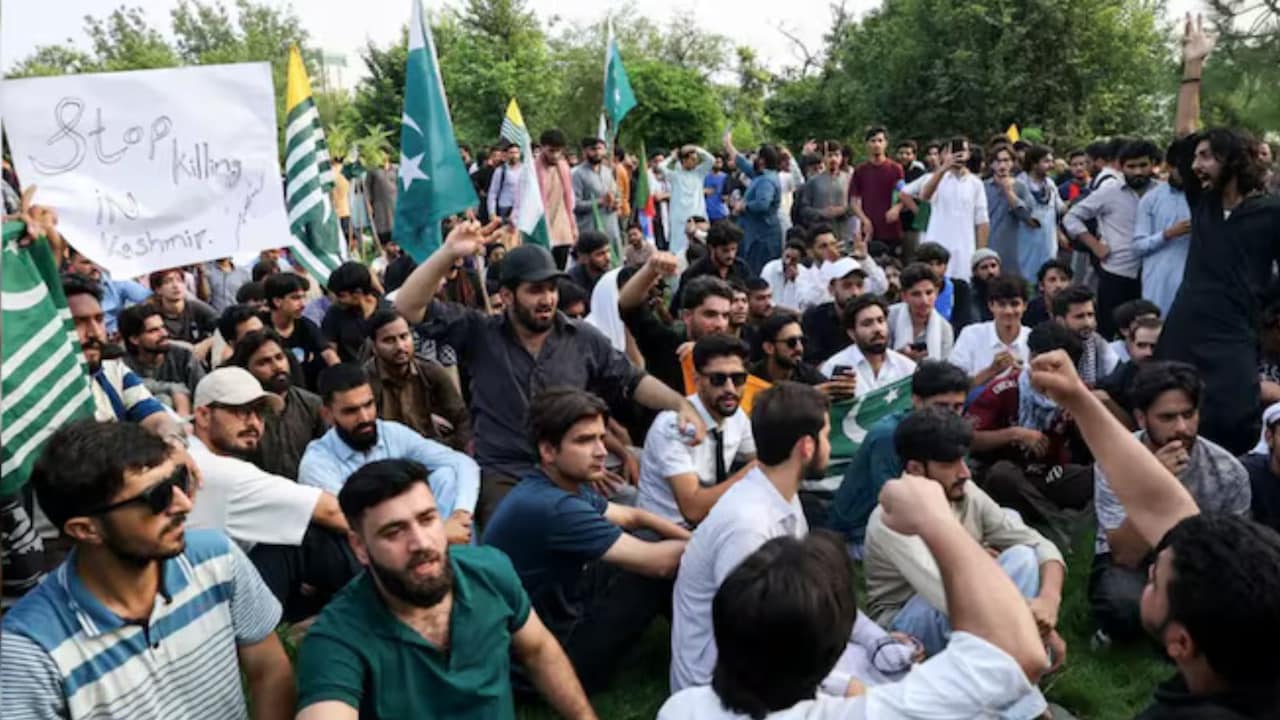
Two British nationals with family ties to Pakistan-occupied Kashmir (PoK) have been caught up in the ongoing unrest in the region. One, Mohammad Akhtar, was killed by a stray bullet during clashes between security forces and protesters on June 9. Another, Waqas Arif, has been held in prison for over two months without formal charges, according to his family.
The cases, reported by The Guardian, highlight the impact of the violence that has gripped parts of PoK since early June. The protests, led by the Joint Awami Action Committee (JAAC), a civil society group, initially demanded economic and electoral reforms. Pakistan has since declared JAAC a terrorist organisation and imposed a communications blackout in the region starting June 5.
Akhtar, a 50-year-old resident of Peterborough, was staying near his house in Kotli when violence erupted on June 9. His cousin, Mohammad Saad, said Akhtar was not participating in the demonstrations but was in the vicinity.
"He wasn't taking part in protests but the demonstrations were happening close to his house," Saad said. "There was firing by the forces that day and he was hit by a stray bullet. There was a bullet wound on the side of his chest."
According to Saad, Akhtar's family in the UK decided not to take up the matter with British authorities out of fear of reprisals. They were also unable to get a police complaint registered in PoK. "Drawing attention to the case could put them at further risk," Saad said.
The second case involves Waqas Arif, a 38-year-old from Nottingham. He was detained in Mirpur on June 5, the day protests began. His sister, Sumera, said Pakistani security forces, along with Rangers personnel, entered their home and took Arif away, even though he had not joined the demonstrations.
"Waqas was not involved in any kind of protests. But since my other two brothers were involved and they went for the protests with everybody else, the Pakistani forces, along with the Rangers, came into my house, and they took my brothers away," she said.
Sumera said Arif had not been formally charged or produced before a court. "There is no charge. He hasn't done anything. This is my brother, but I think there are thousands of other brothers like him from everywhere who they have put in [prison] so they can minimise the protest power," she said. Arif's wife, Varisha Kampulvi, added that British officials have been unable to speak directly with him at the prison where he is held in Mirpur.
The UK's Foreign, Commonwealth & Development Office (FCDO) has expressed deep concern over the situation. In an email to Kampulvi on June 26, consular staff said they had contacted the prison authorities but had not been able to speak directly to Arif.
"Consular staff have been able to make contact with officials at the prison where Waqas is currently being held, although we have not had direct contact with Waqas," the email said. "The authorities have confirmed that Waqas is in good health, which we were extremely pleased to hear."
The FCDO said its ministers and the UK high commissioner in Islamabad have raised the matter with Pakistani counterparts. UK travel advice was updated on August 7, advising against all but essential travel to affected areas. Former UK Foreign Office minister Hamish Falconer is understood to have discussed the situation during a visit to Islamabad on June 16-17, and Stephen Doughty, who now holds the role, has also been in touch with Pakistani officials.
The unrest has been marked by a major crackdown, with Pakistan imposing a communications blackout since June 5. The JAAC launched protests months before the July 27 election in the region, demanding reforms. The Pakistani authorities have not publicly responded to the specific allegations in these cases.