Colombia Earthquake: 111 Dead, Thousands Missing as Rescue Efforts Continue

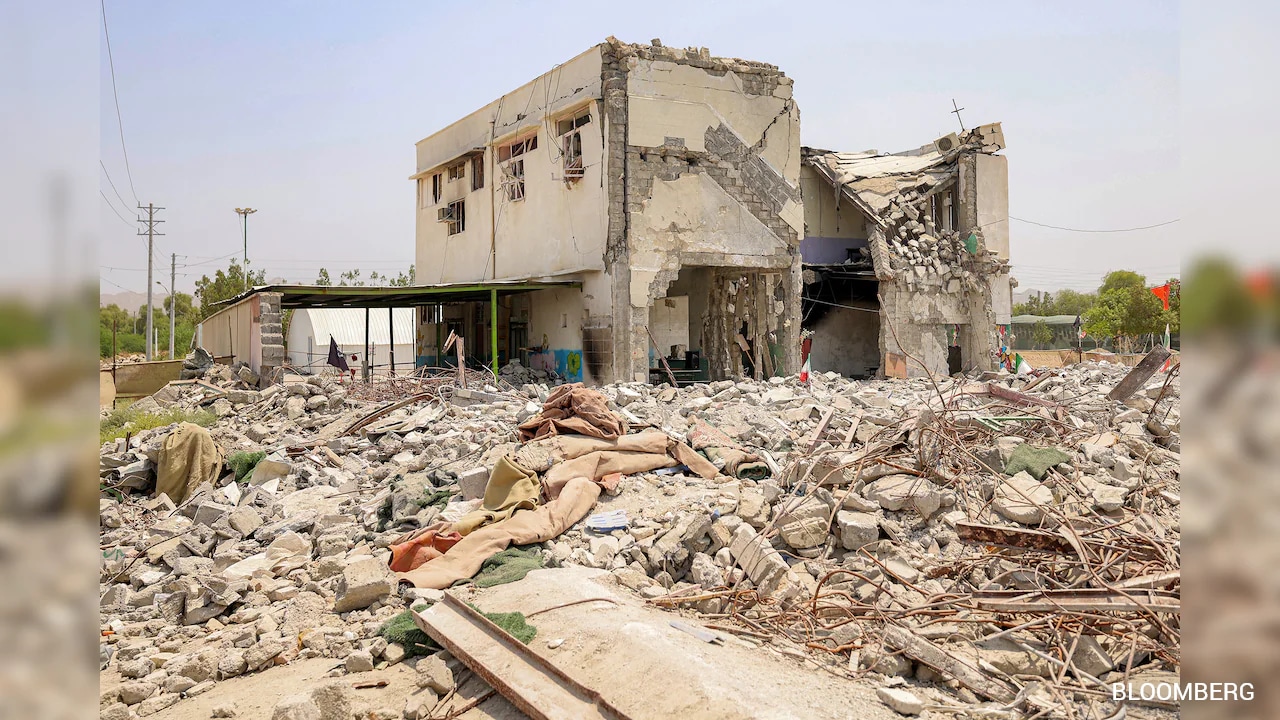
A powerful earthquake struck western Colombia on Monday, killing at least 111 people and leaving many more trapped under the debris of damaged and collapsed buildings. The 7.4 magnitude tremor shook cities and towns including Cali, Pereira and Quibdo, with authorities reporting around 1,600 buildings damaged or destroyed.
Search and rescue operations continued through the night into Tuesday. Soldiers, rescue personnel and volunteers worked together, passing pieces of concrete by hand down lines that stretched across the rubble. Engineers and search dogs were brought in to help locate survivors in the worst-affected areas.
By Monday night, more than 2,700 people had been reported missing on citizen-run websites. Families posted photographs and appeals for information. Dana Carolina Zamora, looking for her 60-year-old uncle, shared a picture of him embracing his dog. Miguel Ángel Zamora, a farmer, lived in a rural part of El Cairo, a town of about 7,000 people where local authorities said 80% of structures were damaged. His niece worried because his home, built of sticks and mud, was especially fragile. "We are afraid. We hope that he is all right and that it is only a communication failure. But we haven't heard anything from him," she said. Many families across the affected region reported similar difficulties in reaching their loved ones.
The full extent of damage in Choco, the region surrounding the epicenter, remained unknown on Tuesday. Choco is one of Colombia's poorest and most neglected areas, often affected by armed conflict. Much of the region is accessible only by boat, jungle trails or small aircraft, complicating rescue and assessment work.
President Abelardo de la Espriella confirmed the death toll on Monday afternoon. He traveled to Quibdo, the capital of Choco, the same evening to assess the situation. He announced that he had mobilized the entire military and police apparatus, deploying engineers, rescue workers and search dogs to all affected areas, including remote communities. The government also promised rental subsidies for families whose homes were damaged while repairs are underway. "Choco will never again be the 'land of the forgotten,'" he said.
The earthquake is the first major test for de la Espriella, who was sworn in on Friday. He is a polarizing figure because of his pledge to launch an all-out effort against criminal groups in Colombia.
International aid began to flow quickly. The U.S. State Department announced $15.5 million for emergency shelter, food and other assistance. Several Latin American governments also offered support.
The quake has unsettled many in the Andean nation, coming just weeks after two back-to-back earthquakes devastated neighboring Venezuela in late June, killing more than 6,300 people. For many Colombians, the memory of that disaster is still fresh. In Pereira, one of the worst-hit cities, Mónica Sánchez, owner of a small company that makes work uniforms, said she and her 12 workers managed to escape just before a factory wall collapsed. "It was shocking — the city fell down around us," she said.
As rescue efforts continue, attention is turning to the longer-term recovery. Rebuilding homes, restoring infrastructure and providing support for displaced families will be a lengthy process. In Choco's remote communities, where neglect and poverty have long been concerns, the challenge is especially severe. The government's promise to address these issues will be closely watched in the months ahead.