Colombia Declares Emergency as Powerful Earthquake Kills Over 100
Bogota, Colombia — Colombia's newly inaugurated President Abelardo de la Espriella declared a state of emergency on Monday after a powerful earthquake struck the western part of the country, killing at least 111 people and injuring 87 more.
The 7.4 magnitude tremor hit the region in the early hours, sending panicked residents into the streets and causing widespread damage to buildings and infrastructure. In a statement from the capital, Bogota, President de la Espriella confirmed the death toll and pledged the full resources of the government to assist affected communities.
“We are facing a tragedy of significant proportions,” the President said. “Our immediate priority is to rescue those who may still be trapped, provide medical care to the injured, and restore basic services such as water, electricity, and communication lines.”
The earthquake struck in a seismically active zone where the Nazca and South American tectonic plates converge. Colombia has a long history of destructive earthquakes, particularly along its Pacific coast and Andean regions. Scientists have long warned that this area is prone to major seismic events due to the constant movement of these plates.
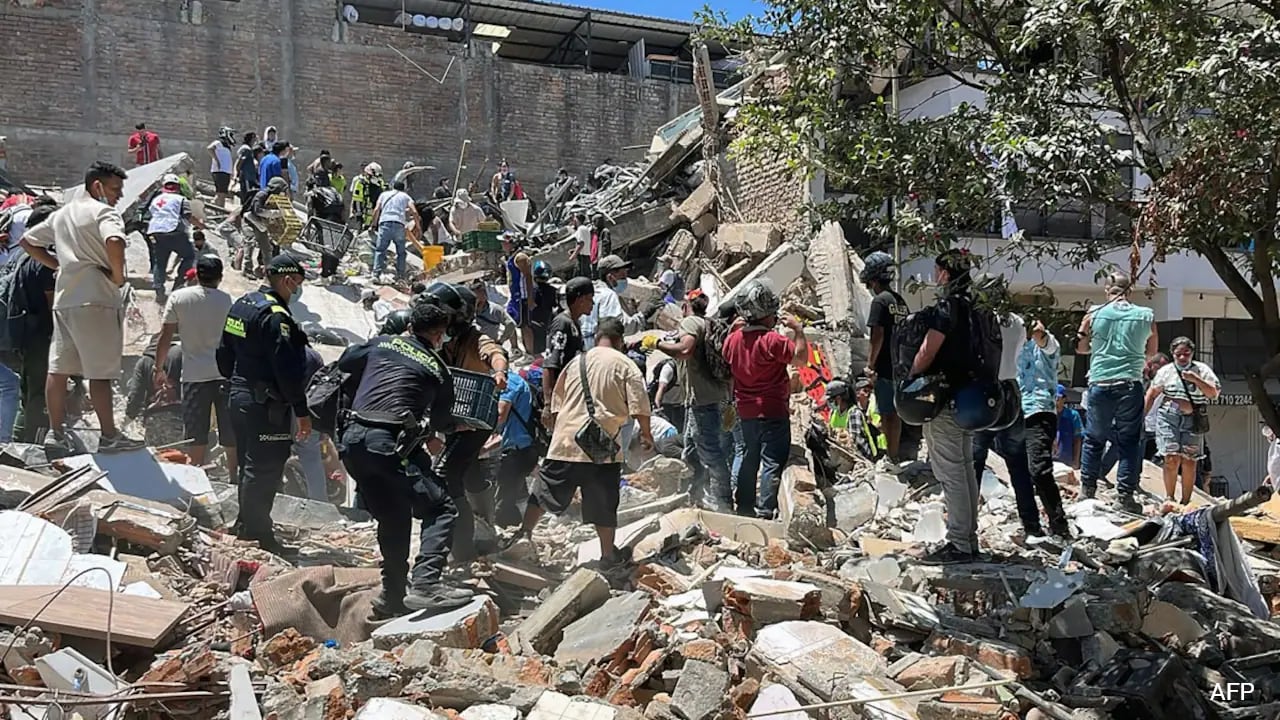
Emergency response teams, including military units, firefighters, and medical personnel, have been deployed to the affected areas. Search and rescue operations are under way, with teams using heavy machinery and sniffer dogs to locate survivors beneath collapsed structures. Local hospitals are reported to be overwhelmed, and field hospitals are being set up to treat the injured.
The declaration of a state of emergency allows the government to allocate funds quickly, mobilize additional resources, and streamline emergency procedures. It also enables the central government to coordinate with regional authorities and international aid organizations.
In the immediate aftermath, residents described scenes of chaos and destruction. Many buildings made of unreinforced masonry, common in older neighborhoods, collapsed or suffered severe structural damage. Roads and bridges in the affected zone have been blocked by landslides, hampering rescue efforts.
President de la Espriella, who took office less than a month ago, has faced the crisis with a call for national unity. He urged citizens to remain calm and follow instructions from civil defence authorities. The government has also set up a hotline for families seeking information about missing persons.
International partners, including neighbouring countries and humanitarian organizations, have offered assistance. The United Nations has expressed readiness to support Colombia's disaster response efforts if requested.
This earthquake is among the deadliest to hit Colombia in recent decades. The country is still recovering from previous seismic events that have shaped its disaster preparedness policies. Experts point out that while building codes have been improved, many older structures remain vulnerable, and communities in remote areas are often at higher risk.
Officials say the death toll could rise as rescuers reach more isolated areas. The focus remains on saving lives and providing relief to those who have lost homes and livelihoods. The government has promised a thorough assessment of the damage in the coming days and a long-term reconstruction plan.
As the nation mourns the victims, the immediate response demonstrates both the challenges and the resilience of Colombia in the face of natural disasters. The coming days will be critical in determining the full scale of the tragedy and the effectiveness of the emergency measures now in place.