Colombia quake: Death toll crosses 100, rescue teams search for survivors
A powerful earthquake of magnitude 7.4 struck western Colombia on Monday, August 10, 2026, bringing down buildings across several cities and trapping people under the rubble, local authorities said. The quake rattled the cities of Cali, Quibdo, Pereira and numerous other towns, causing widespread damage.
By early Tuesday, the death toll had risen to 111, with many still missing and feared trapped under debris. Colombia's Geological Service said the quake was the strongest recorded in the country in the 21st century and that several aftershocks had followed. The response to the disaster presents the first major challenge for Abelardo de la Espriella, who was sworn in as President over the weekend and has been described as an ally of former U.S. President Donald Trump.
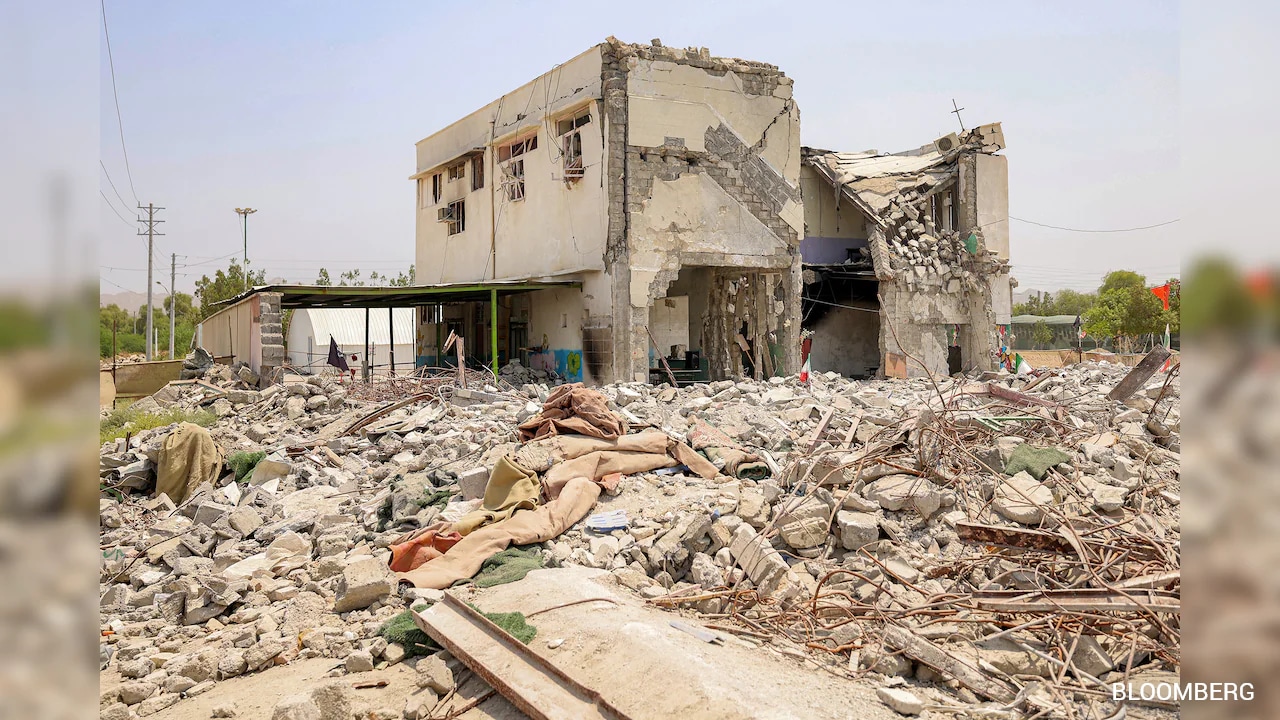
In Cali, Colombia's third-largest city, search teams and civilians picked through the remains of destroyed buildings, passing large pieces of concrete and other debris down a long line of volunteers. Emergency personnel continued working through the night, with the local government saying that people remained trapped in a number of the city's 380 damaged buildings. Around 1,600 buildings were reported damaged or collapsed across the affected region.
The epicentre was in San Jose del Palmar, a community of about 4,800 people in the Choco region, approximately 400 kilometres west of Bogota, according to the U.S. Geological Survey. Choco is one of the poorest and most neglected regions of Colombia, often beset by warring armed groups, which could complicate rescue and relief efforts.
Local authorities said the death toll included at least 40 people in the Risaralda region, where Pereira is located, and 27 people in the Valle del Cauca region, where Cali is located, including three children. In El Cairo, a town of about 7,000 people, local authorities reported that 80% of the town had been damaged.
The quake was also felt in neighbouring Ecuador and Panama. The scenes of destruction in Colombia recalled the searches still ongoing in neighbouring Venezuela, which was devastated by two powerful earthquakes weeks earlier.
By Monday night, more than 2,700 people had been reported missing, and many Colombians were only beginning to grapple with the disaster's longer-term consequences. Families posted information about missing loved ones on citizen-run websites as they waited for news.
Rescue workers, soldiers and volunteers continued to dig through rubble by hand, often without heavy equipment, in a desperate effort to find survivors. Emergency personnel worked at the site of collapsed buildings in Cali and Pereira, moving casualties to ambulances and distributing packs of bottled water to affected residents.
In an international response, the U.S. State Department announced it would provide $15.5 million for emergency shelter, food and other assistance. The full scale of the disaster is still emerging, and authorities have warned that the death toll could rise further as search and rescue operations continue.