Trump Demands Compensation From Iran, Adding New Wrinkle to Talks
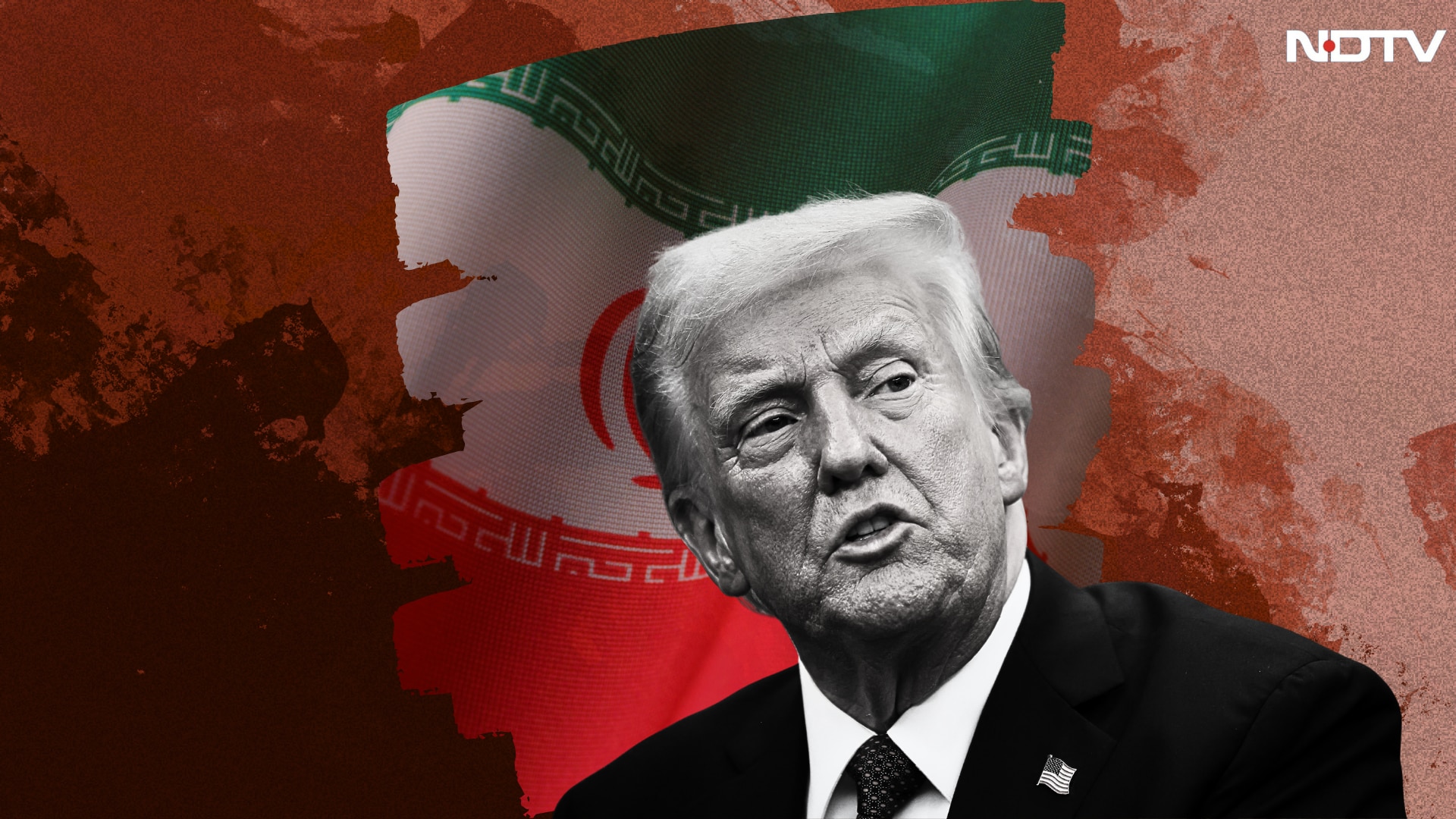
US President Donald Trump has demanded compensation from Iran as part of future peace negotiations, a move that mirrors Tehran's own demand for war damages and adds a new point of contention to the ongoing diplomatic efforts.
In a post on his social media platform Truth Social, Trump said he found the Iranian request for compensation for damage suffered during the last five months of conflict an “interesting idea.” He responded by stating that he too would demand payments from the Islamic Republic for what he described as decades of attacks and atrocities allegedly backed or perpetrated by Iran.
Trump noted that the Iranian compensation claim was “never mentioned” in previous negotiations with the United States. He wrote: “It is an interesting idea because now I am likewise demanding compensation from Iran, for all of the people that they have killed and gravely wounded with their roadside bombs and many conflicts, for which they are famous, as led initially by General Soleimani.”
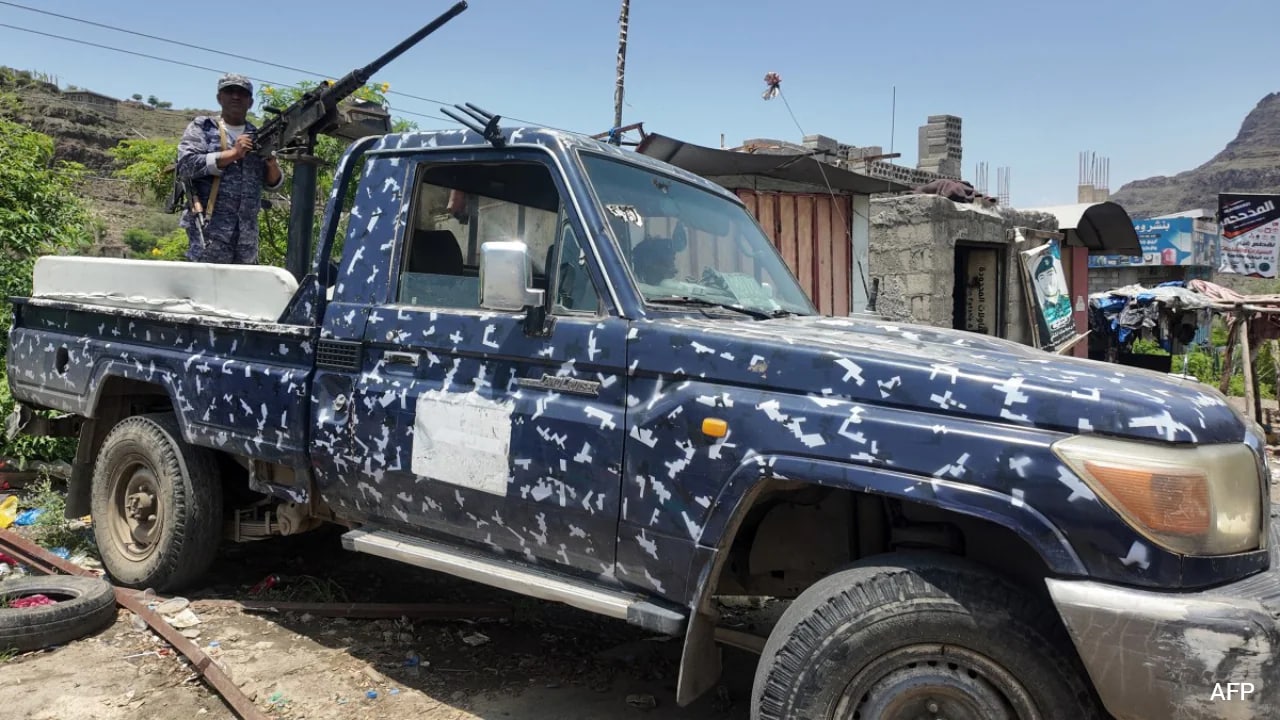
The president specifically cited the October 2000 bombing of the USS Cole, a US Navy guided-missile destroyer, which killed 17 sailors and wounded over three dozen others at a Yemeni port. The FBI has attributed the attack to the terrorist group al Qaeda, not to Iran. Trump nevertheless included the families of the victims in his list of those he said should receive compensation from Iran, along with “thousands of others killed in combat.”
He also mentioned families of protesters killed during public uprisings in Iran over the last 50 years and the 52,000 others he claimed were killed in the last five months. Trump said he has instructed his representatives to include these demands “firmly into any, and all, future negotiations.”
The statement comes a day after Trump said he was “low-keying” his approach to the war and suggested he would let economic pressure mount rather than continue military strikes against Iran. The shift in tone indicates a possible move toward a negotiated settlement, though the new compensation demand adds a potential sticking point.
For its part, Iran has said it will not reopen the strategic Strait of Hormuz until the United States lifts its blockade on the waterway, pays compensation for months of war damage, lifts economic sanctions, and releases Iran's frozen assets. The Islamic Revolutionary Guard Corps has separately called on Washington to stop interfering in regional negotiations.
Both sides have thus presented competing compensation claims, complicating the path to any agreement. The situation remains fluid, with neither party having publicly detailed how these financial demands might be resolved within the framework of future talks.