Spare Mars Rover Could Be Sent to Moon's South Pole, Nasa Weighs
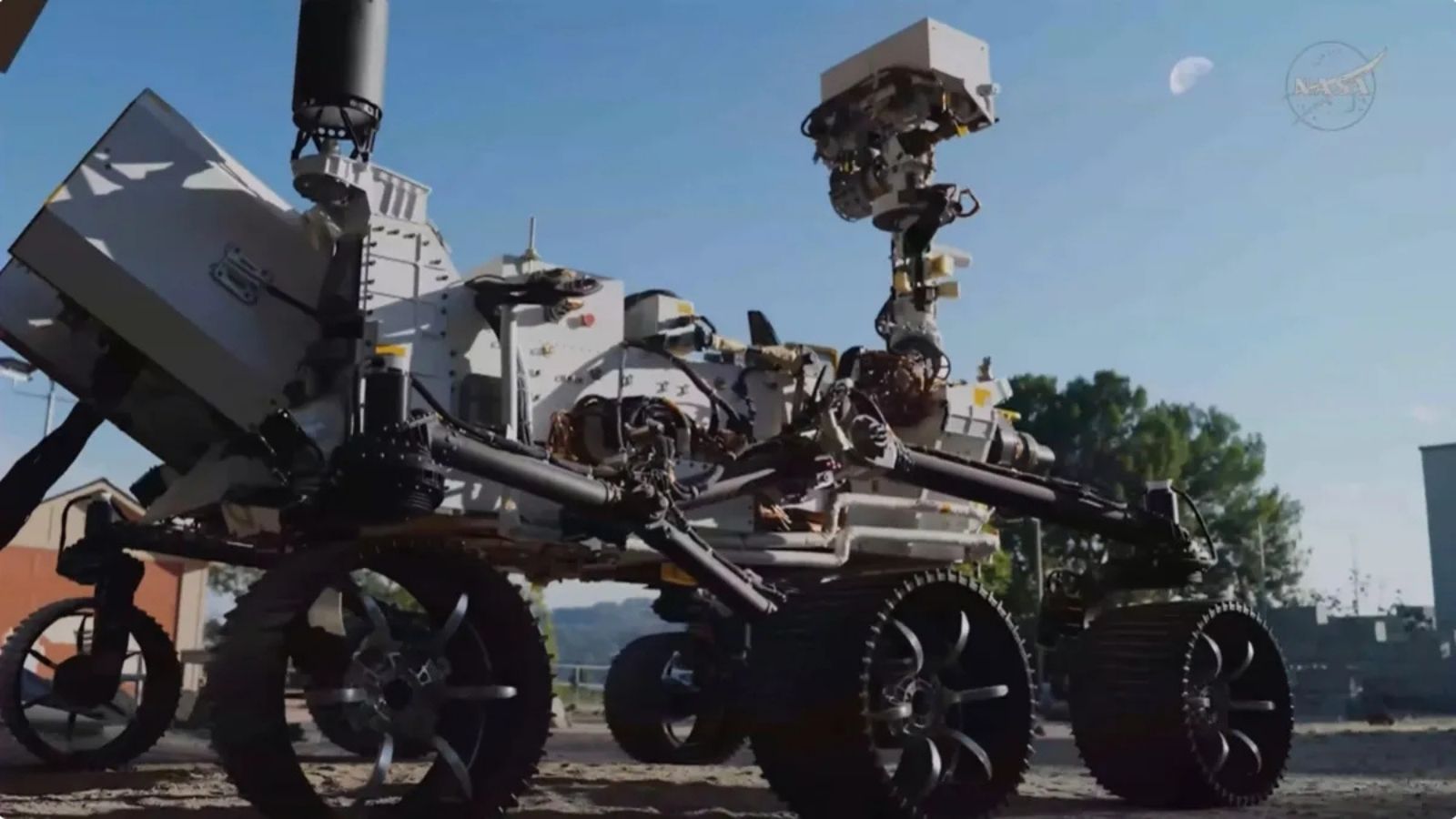
The National Aeronautics and Space Administration (Nasa) is considering an unconventional approach to its Artemis lunar exploration programme: repurposing a full-scale engineering model of the Mars rover for a mission to the Moon's south pole.
During a recent update on its Moon Base programme, Nasa officials revealed that the agency is evaluating the feasibility of deploying PROMISE (Polar Rover for Observation, Mapping, and In-Situ Exploration) — a nuclear-powered test rover originally built to support the Curiosity and Perseverance Mars missions — as a lunar rover.
If approved, the mission would give the decades-old test vehicle a new purpose while aiding preparations for a permanent human presence on the lunar surface. The rover would map terrain, search for resources such as water ice, and conduct scientific observations in the permanently shadowed regions of the south pole.
PROMISE was developed at Nasa's Jet Propulsion Laboratory as a ground-based engineering model. Its design incorporates a radioisotope power system, making it suitable for long-duration operations in the Moon's harsh environment, where temperatures can drop dramatically.
The south pole is a key target for the Artemis programme because it is believed to contain significant water ice deposits, which could be used for drinking water, oxygen, and rocket fuel. Sending PROMISE ahead of astronauts could provide crucial data for selecting landing sites and planning activities.
Nasa has not yet committed to the proposal, and further studies are needed to assess the technical challenges and costs. However, the idea underscores the agency's interest in leveraging existing hardware to accelerate lunar exploration.