Iran nuclear pledge requires robust verification, says UN watchdog chief

The head of the International Atomic Energy Agency (IAEA) has stated that Iran's commitment to refrain from building nuclear weapons must be backed by a stringent verification system. Rafael Grossi, the agency's director general, made the remarks on Friday as negotiations continue between the United States and Iran to reach a permanent settlement following the war in West Asia.
Speaking to reporters, Grossi said: 'I think the objective of this agreement is to ensure that there is no development of nuclear weapons in Iran. The government of Iran has declared quite clearly that this is not their intention. But of course intentions are not enough. We have to have a very strong verification system in place... as soon as is practicable.'
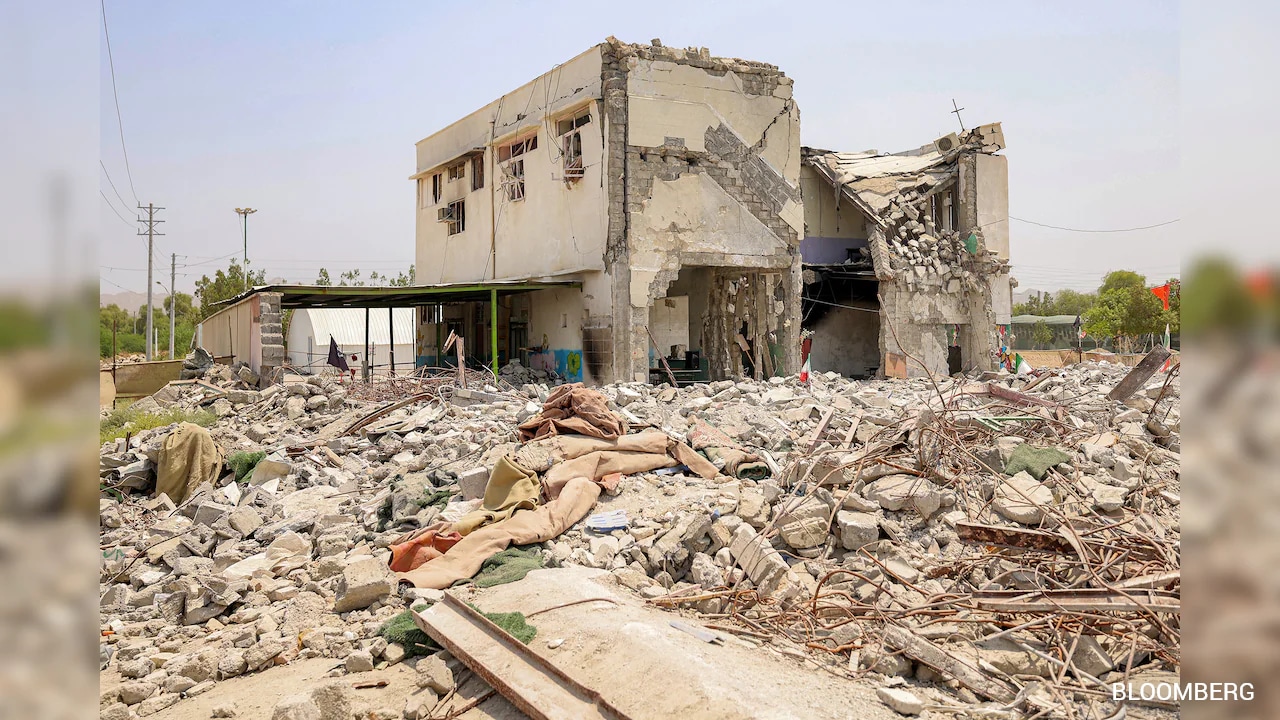
The status of Iran's nuclear programme remains a central issue in talks to end the conflict, which began in late February with a series of U.S.-Israeli airstrikes. The United States and Iran signed a preliminary deal last week, initiating negotiations expected to address multiple disputes, including the nuclear question.
However, conflicting statements have emerged from Tehran and Washington regarding whether IAEA inspectors will be granted access to Iranian nuclear facilities. U.S. President Donald Trump claimed on Tuesday that Iran had 'fully and completely agreed' to allow UN inspectors to return. Grossi said on Wednesday that inspections were 'going to happen'. In contrast, Iranian officials stated this week that they have no intention of admitting the watchdog.
Grossi acknowledged that the IAEA has 'barely initiated' talks with Iran since the interim agreement. The deal stipulates that Iran's enriched uranium stockpile must be 'downblended' under IAEA supervision. Before the war, the IAEA estimated Iran possessed 440 kilograms of uranium enriched to 60 per cent, below weapons-grade threshold. The fate of that stockpile remains unknown after U.S. and Israeli forces bombed Iranian nuclear facilities last year.
In Tehran, residents told AFP that diplomatic progress has not translated into tangible improvements in daily life. Amir, a 28-year-old government employee, said: 'Overall, nothing has improved. Life has simply become more difficult.' Mehdi, a 35-year-old content creator, added: 'Until such changes are felt in people's everyday lives, it is only natural that hope will remain accompanied by doubt, and that anticipation will give way to exhaustion and anxiety.'
Iran's nuclear programme has long been a source of tension with Western powers, who suspect Tehran of seeking to build a nuclear weapon despite repeated denials. A landmark nuclear deal was reached in 2015, placing limits on Iran's programme in exchange for sanctions relief. Trump withdrew from that agreement during his first term. Following the June 2025 U.S.-Israeli attacks, Iran suspended cooperation with the IAEA.
The verification dispute threatens to derail efforts to reach a permanent settlement. Other major issues include control of the Strait of Hormuz, a critical chokepoint for global energy shipments. Iran closed the waterway during the war and its reopening has become a key bargaining chip. On Wednesday, an attack on a ship in the strait led the UN to suspend an evacuation effort for stranded mariners. The British maritime security agency UKMTO reported that a cargo vessel was struck on the starboard side by an unknown projectile, with no casualties reported.
Iran has also proposed introducing fees for crossing the strait, a plan that has drawn strong opposition. As negotiations continue, the need for a robust verification mechanism remains a critical component of any final agreement.