2,500 Syrian Kurds return to Ras al-Ain after years of displacement

HASAAKEH, Syria — A first group of Syrian Kurds headed back to the northeastern border town of Ras al-Ain on Monday, marking a significant step in the return of displaced residents following an integration deal between Kurdish authorities and the central government in Damascus.
The agreement, signed in January, provided for the merger of Kurdish-led forces and civil institutions into the state apparatus and included provisions for the return of displaced Kurds. However, residents of Ras al-Ain, known as Sari Kani in Kurdish, had been waiting for months, prompting appeals to authorities for assistance.
Tens of thousands of Kurds were forced to flee the area when Turkey and allied Syrian fighters seized an Arab-majority strip of territory along the Turkish border, including Ras al-Ain, from Kurdish control in 2019 during Syria's civil war.
Jawan Isso, a member of a committee representing displaced people from Ras al-Ain, told AFP that a first batch of approximately 2,500 people were on the move Monday. "This step is the result of efforts by all sides and ongoing coordination" between the Damascus and Kurdish authorities, he said, adding that "the second batch will be transferred in the coming days."
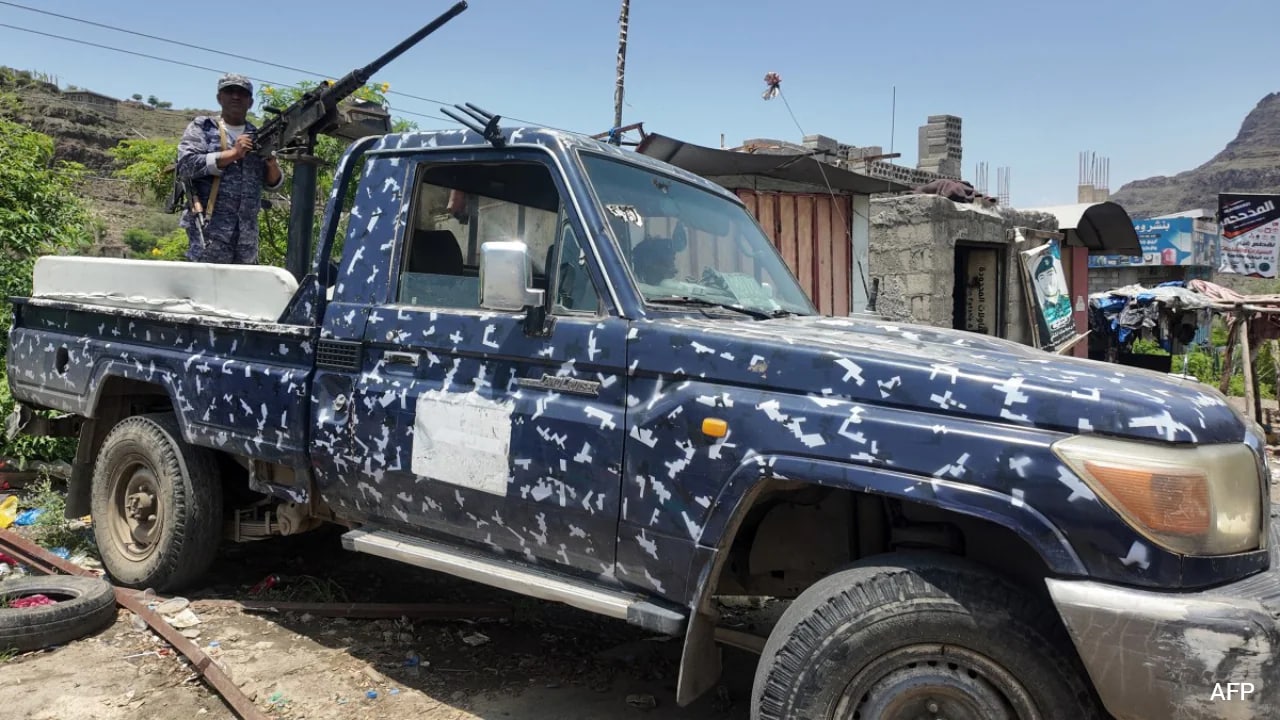
An AFP correspondent at the scene saw dozens of trucks loaded with furniture and other belongings waiting to depart from near the city of Hasakeh, with men, women and children eager to leave. Nora Khodor, a 37-year-old returnee, said, "I've been waiting for this moment... it's like a dream for a person to return to their home. I'm happy for an end to this suffering."
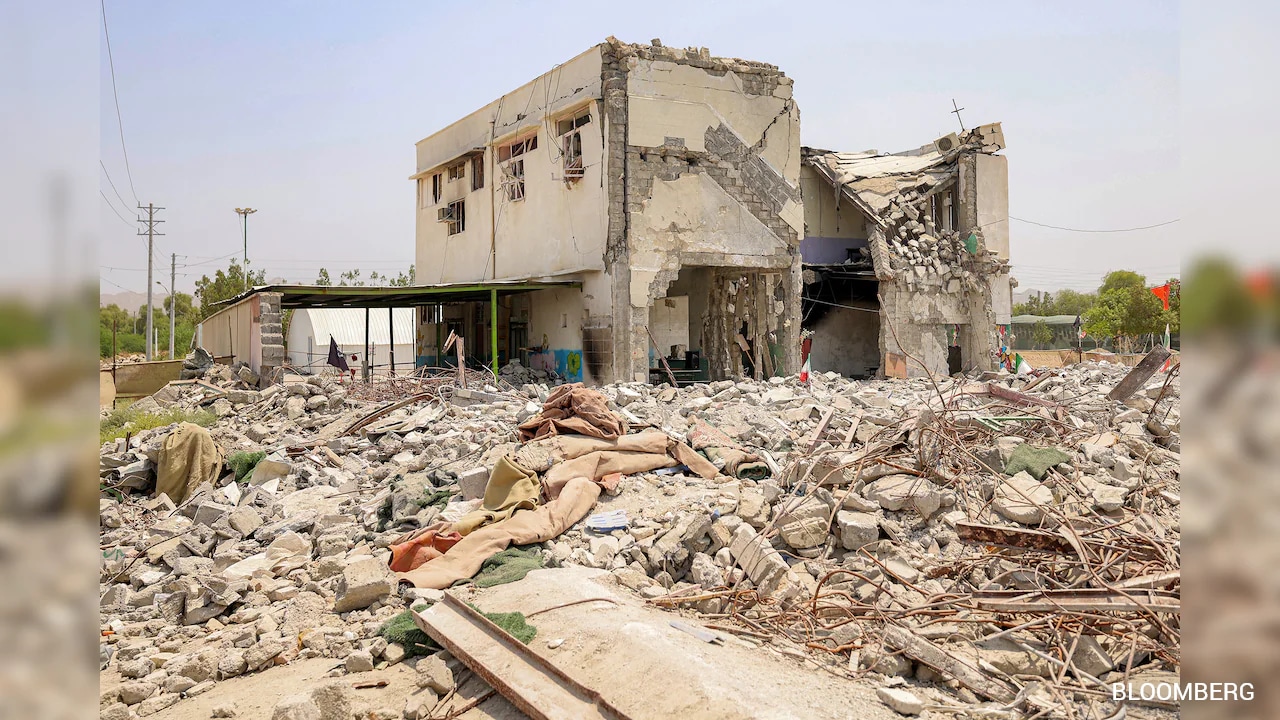
Human rights groups have documented that homes and belongings of displaced residents were seized or looted after the 2019 offensive. Some fighters who took part in the operation subsequently settled in the area with their families, and some are reported to still be living in Ras al-Ain, which was historically an ethnically mixed region.
Turkey launched successive cross-border offensives against Kurdish-led forces in northern Syria before the new Syrian authorities, led by Islamist groups, ousted longtime ruler Bashar al-Assad in December 2024. Since then, the new government has been extending central control across the country, including areas formerly held by Kurdish forces.
Rawda Mohammed, 39, expressed both joy and realism about her return. "We are very happy about returning," she said. "I asked about my home. They told me it is totally destroyed, but we did not get pessimistic because we're happy to return, and when we get there we'll see what we can do."
The United Nations estimates that some 5.5 million people remain internally displaced in Syria following the more than 13-year civil war. The committee representing displaced people from Ras al-Ain described Monday's transfer as "the start of a path towards a full return," while stressing the need to protect property, housing and land rights and to provide basic services and infrastructure for those coming back.
The return comes amid a fragile and complex political transition in Syria, with the new authorities seeking to consolidate control while addressing the grievances of minority communities. The implementation of the integration agreement is being closely watched as a test of the government's commitment to a unified and inclusive Syria.