Ukrainian drone attack on Russian oil city of Nizhnekamsk kills 13, including a child

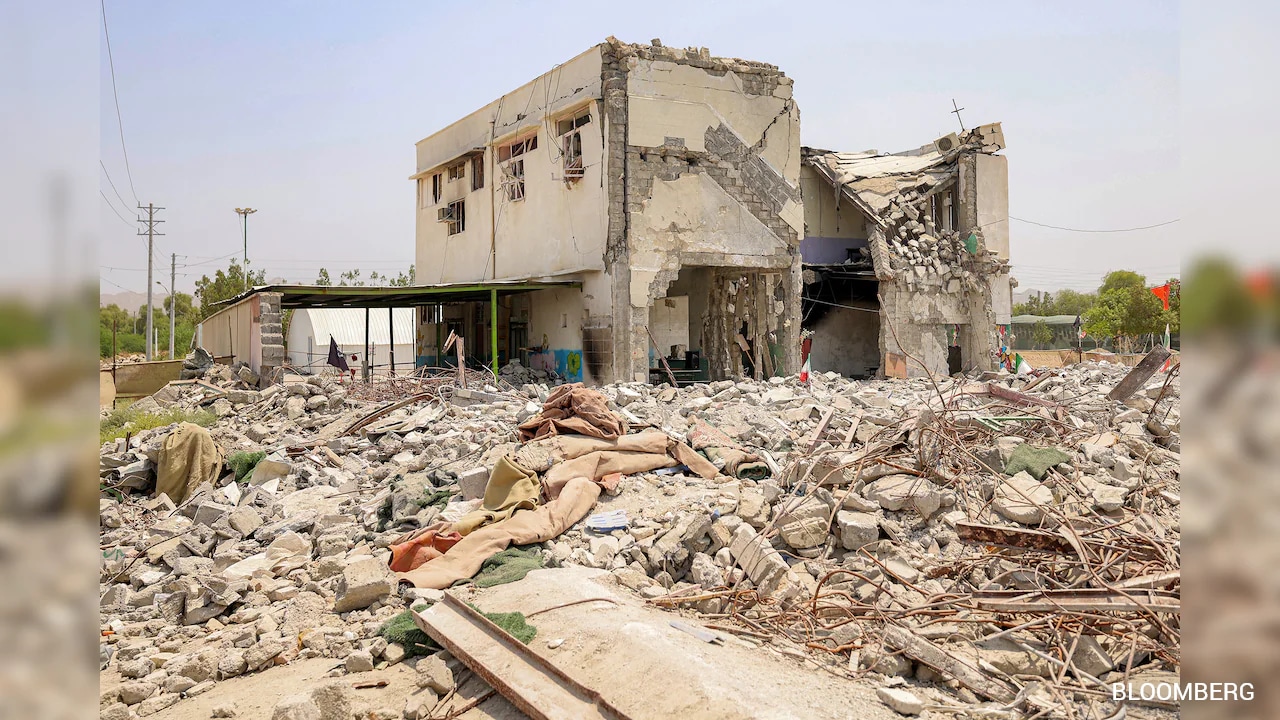
At least 13 people, including a child, were killed and 48 others wounded in a Ukrainian drone attack on the Russian city of Nizhnekamsk on Monday, according to authorities in the Tatarstan region. The attack, described as 'massive' by the press service of Tatarstan's head, Rustam Minnikhanov, reportedly targeted industrial and civilian facilities. No further details were immediately provided.
Nizhnekamsk, home to two oil refineries and a petrochemical plant, is a key hub in Russia's energy sector. While officials did not specify the intended targets, Ukraine has intensified long-range drone strikes on Russian oil infrastructure in recent months. These attacks have led to fuel shortages in Russia, reduced refining capacity, and heightened public anxiety.
Ukrainian President Volodymyr Zelenskyy has said the campaign aims to pressure Moscow into negotiations to end the war, which has been ongoing for more than four years since Russia's full-scale invasion of Ukraine. Speaking on social media on Sunday, Zelenskyy said, 'We do deliver entirely justified responses, and every Russian strike will be met with our response. Russia's war will be felt more and more at their own home – in Russia.'
The distance of the attack underscores the growing reach of Ukraine's domestically developed drones. Nizhnekamsk lies roughly 1,200 kilometers from the Ukrainian border, while some Ukrainian drones have reportedly reached as far as Siberia, about 2,000 kilometers away.
Ukrainian officials did not comment on the incident immediately. The war has also brought relentless Russian aerial attacks on Ukrainian cities, with missiles, glide bombs, and drones causing thousands of civilian casualties, according to the United Nations.
In a separate development on the same day, the World Health Organisation's European office reported that one of its warehouses in Ukraine's central Dnipro region had been struck twice within 24 hours. The attacks destroyed emergency supplies valued at an estimated $500,000, which were intended for front-line health facilities. No casualties were reported in that incident.
The conflict continues to exact a heavy toll on civilians on both sides. As the fighting persists, international calls for de-escalation and dialogue have grown, but no substantive negotiations are currently underway.