Stanford scientists find flatworm immune cells that self-destruct to eliminate threats
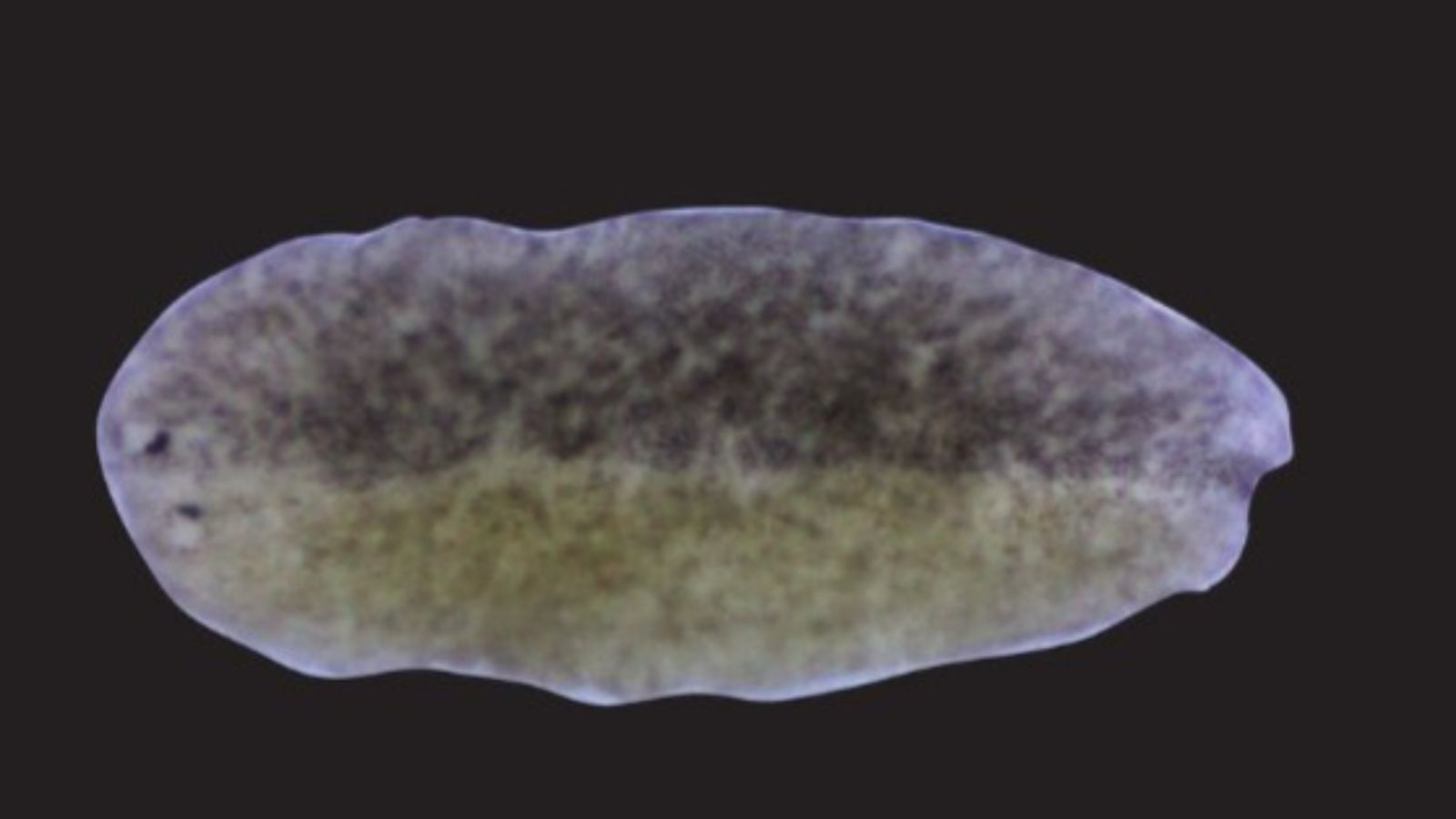
In a departure from the well-known strategies of mammalian immunity, researchers at Stanford University have uncovered a remarkable form of defence in flatworms: specialised gland cells that literally blow themselves up to destroy invading tissue. The discovery, made during experiments on tissue rejection, adds a new dimension to our understanding of how organisms distinguish self from non-self and protect their bodily integrity.
The immune system in humans and other mammals relies on a complex network of organs and cells. When foreign invaders such as bacteria or viruses are detected, immune cells are dispatched to attack and eliminate them—typically by engulfing the pathogens or releasing antibodies and signalling molecules, all without sacrificing themselves. But the Stanford team, led by postdoctoral researcher Chew Chai, observed a radically different approach in planarian flatworms, creatures famed for their ability to regenerate entire bodies from tiny fragments.
Chai was investigating whether flatworms could tell their own tissue apart from that of unrelated individuals—a fundamental ability that in humans underpins organ transplant rejection. To test this, she surgically cut flatworms lengthwise and fused them with tissue from a different worm. As expected, the transplanted tissue was attacked and ultimately rejected. What surprised the researchers was the mechanism: host gland cells, instead of mounting a gradual, targeted response, ruptured violently, spewing toxic contents that killed the foreign cells around them. The attacking cells themselves died in the process, like a biological grenade.
Detailed imaging revealed that these gland cells are packed with dense granules containing enzymes and other molecules capable of breaking down foreign cells. Upon contact with non-self tissue, the cell membrane disintegrates, releasing the granules into the immediate vicinity. This sudden burst kills the trespassers but also destroys the host cell. The team described it as an innate, sacrificial form of immunity—one that acts rapidly and indiscriminately on anything perceived as 'other'.
Such a mechanism, sometimes called 'effector-triggered immunity', is not entirely new to biology. It has been documented in plants, where infected cells undergo programmed death to halt the spread of pathogens, and in certain invertebrate groups. However, finding it in flatworms broadens the evolutionary picture, hinting that this self-destructive defence might be an ancient and widespread strategy. In contrast, vertebrates like humans evolved the more complex adaptive immune system, which can remember past infections and deploy targeted antibodies without wholesale cell sacrifice.
The implications of the Stanford study, published in a peer-reviewed journal, go beyond basic biology. Understanding the precise molecular triggers that cause a cell to commit suicide in defence of the organism could inspire novel approaches to fighting infections or even cancer. For instance, if researchers could learn to program certain human immune cells to self-destruct in the presence of tumours, they might develop a powerful new therapeutic tool. However, translating these findings from a simple flatworm to human medicine remains a distant goal, the scientists caution. Many questions remain, including how the gland cells recognise foreign tissue and what stops them from attacking the worm's own regenerating cells.
The research also underscores the value of studying unconventional model organisms. Flatworms, with their accessible genetics and extraordinary regenerative prowess, continue to offer insights that more traditional lab animals cannot. Future work by Chai and colleagues will aim to identify the genes responsible for this explosive immunity and explore whether similar cells exist in other animals, including those closer to us on the tree of life.