🏠 News Empire
science

Scientists discover largest whale graveyard in Indian Ocean

Published on: 18 Jun 2026, 12:30 PM
Scientists discover largest whale graveyard in Indian Ocean

A team of scientists has discovered the world's largest known whale graveyard in the Indian Ocean, approximately 7,000 metres below the surface. The findings, published in the journal Nature, reveal nearly 500 whale skeletons scattered along a 1,200-kilometre corridor on the seafloor west of Australia. Some fossils are estimated to be up to 5.3 million years old, making this the deepest and oldest such site ever recorded.

The discovery was made during deep-sea expeditions conducted by the Chinese submersible 'Fendouzhe' in 2023. Researchers carried out 32 dives into the Diamantina Fracture Zone, reaching depths of up to 7,000 metres. The skeletons were found in various stages of decomposition, providing valuable insight into deep-sea ecosystems and the life cycle of whales.

Whale graveyards are significant because they support unique biological communities. When a whale dies and sinks to the ocean floor, its carcass provides a sudden influx of nutrients, sustaining a diverse array of organisms for decades. The newly discovered site offers researchers an unprecedented opportunity to study these ecosystems over a long timescale.

The team plans further analysis of the skeletons to understand the historical population dynamics of whales in the region and the environmental conditions that facilitated such a large accumulation of remains.
Latest in Science 10
Did Van Gogh Paint 'The Starry Night' on July 22, 1889? New Study Offers a Date
science

Did Van Gogh Paint 'The Starry Night' on July 22, 1889? New Study Offers a Date

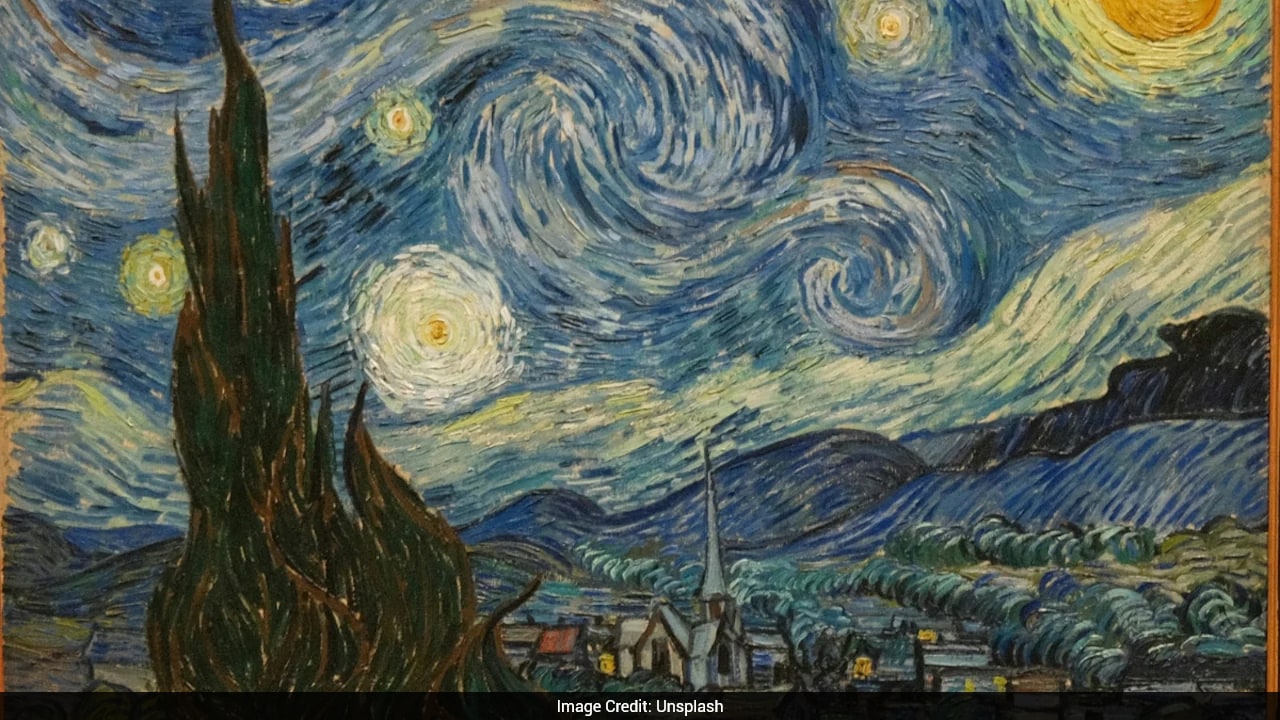
A study from Kyung Hee University in South Korea suggests that the positions of the Moon, Venus and the Hyades star cluster in The Starry Night best match the dawn sky of July 22, 1889, as seen from the asylum where Van Gogh stayed in southern France. The researchers say observation and imagination may have combined in the work and accept their findings are not conclusive. The Van Gogh Museum in Amsterdam maintains the painting was made in June 1889.

NDTV 25 Oct 2026, 02:08 AM
Read More →
Hyderabad scientists find the protein that lets cells spot a virus — and raise the alarm
science

Hyderabad scientists find the protein that lets cells spot a virus — and raise the alarm

Scientists at CSIR-CCMB in Hyderabad have identified a protein, DZIP3, that both detects viral RNA inside human cells and switches on the immune response, triggering the production of Type I interferons. The pathway was shown to offer protection against SARS-CoV-2, Chikungunya and Japanese Encephalitis viruses, suggesting potential for broad-spectrum antiviral drugs. The team is now working on small-molecule candidates to boost DZIP3 activity, though any treatment remains years away.

The Hindu 22 Oct 2026, 01:57 PM
Read More →
Kodavas Are Three Distinct Populations, Not One, Finds Genetic Study
science

Kodavas Are Three Distinct Populations, Not One, Finds Genetic Study

A peer-reviewed study has found that the Kodava (Coorg) community of Kodagu in Karnataka is not a single population but three genetically distinct groups, Coorg1, Coorg2 and Coorg3, whose histories stretch back up to 3,000 years. The research, published in Communications Biology, also points to male-mediated migration from Central Asia and the Middle East followed by assimilation with indigenous South Asian women.

The Hindu 18 Sep 2026, 01:51 PM
Read More →
→ View All Science News