Mumbai Tree Collapse Reignites Questions Over Delhi's Stalled Census
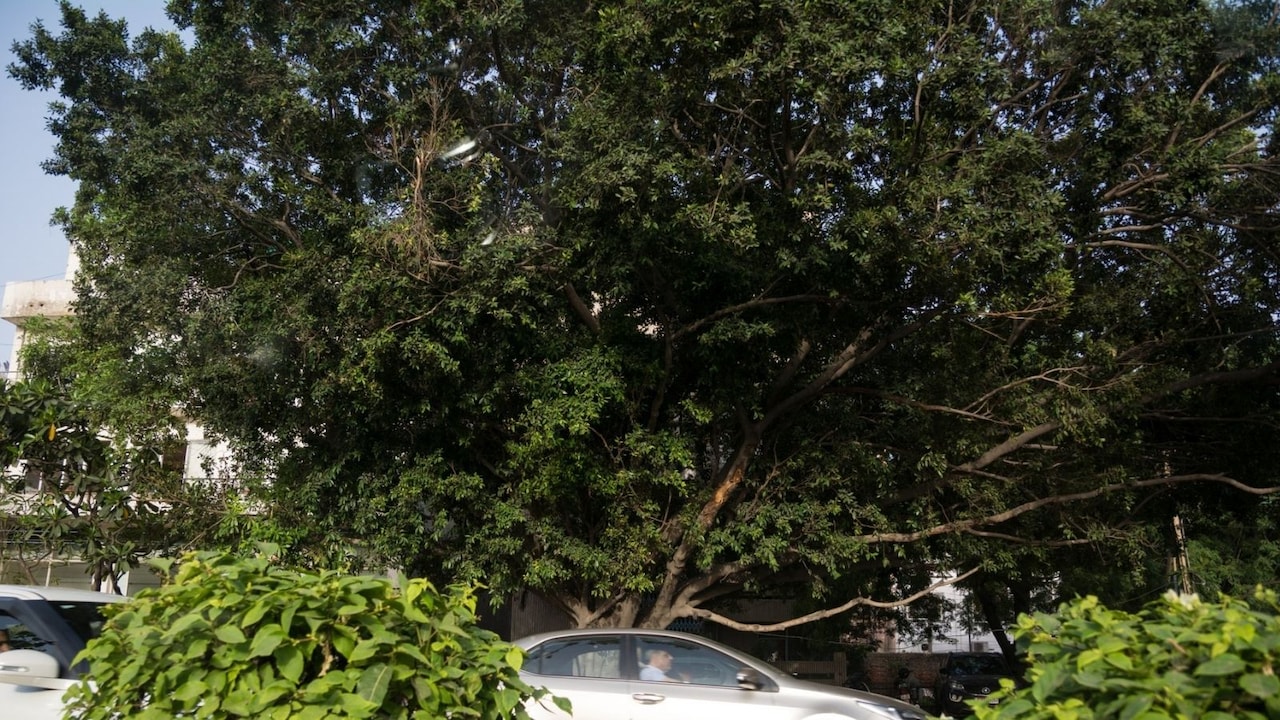
The death of an 11-year-old boy in Mumbai this week after a tree collapsed has drawn renewed attention to the condition of urban trees across Indian cities. While the tragedy occurred in Mumbai, it has also put the spotlight on Delhi, where a long-pending scientific tree census remains stalled despite a Supreme Court order.
Delhi experiences similar risks every monsoon, with falling trees and branches causing traffic disruptions, damaging vehicles, and occasionally resulting in fatalities. In May last year, strong winds uprooted over 100 trees in the capital in a single day, highlighting the vulnerability of ageing and weakened trees to extreme weather.
Despite a legal requirement dating back more than three decades and a Supreme Court directive in December 2024, Delhi's first scientific city-wide tree census is yet to begin. Sources indicate that the exercise is still at the deliberation stage, with the Delhi Forest Department and the Forest Research Institute (FRI), Dehradun, yet to finalise the standard operating procedure (SOP). Key aspects, including how tree health will be assessed, how hazardous trees will be identified, and how the field survey will be carried out, remain under discussion.
The central government has sanctioned Rs 2.9 crore for the first phase of the four-year project, which will be conducted in three phases and cover Delhi's non-forest urban areas. The census aims to create a scientific database of the capital's trees, recording species, age, height, girth, geolocation, and health.
Under the Delhi Preservation of Trees Act, 1994, the Tree Authority is legally required to conduct a census of existing trees and maintain updated records. However, in more than three decades, no city-wide scientific census has ever been carried out. The matter reached the Supreme Court, which in December 2024 directed the Delhi Tree Authority to immediately undertake the long-pending exercise under Section 7 of the law, noting that the census was necessary to determine Delhi's tree stock and strengthen protection against illegal felling.
The court appointed the Forest Research Institute (FRI), Dehradun, to oversee the project. In March 2025, the Supreme Court approved FRI's three-phase proposal and accepted the Centre's plan to fund it through the CAMPA fund. Yet, more than a year after the court's directions, no ground-level survey has started.
Environmentalists stress that the census must go beyond simply counting trees. Padmawati Dwivedi, who conducted Delhi's first citizen-led tree census in Sarvodaya Enclave over a decade ago, said the exercise should become a tool for preventing accidents, not just creating an inventory. 'Only if a proper tree census assesses tree health with the involvement of local residents and experts will it be meaningful. Otherwise, it cannot be reduced to a mere counting exercise,' she said.
She noted that governments often focus on numbering trees while overlooking their health. Documenting species, maturity, root condition, soil availability, and concrete encroachment around trees is as important as recording numbers. Dwivedi's own survey helped remove concrete from around the roots of several trees, demonstrating how actionable data can improve urban tree safety.