🏠 News Empire
science

Moon Dust Could Preserve Alien Technology, Study Proposes

Published on: 21 Jun 2026, 02:00 AM
Moon Dust Could Preserve Alien Technology, Study Proposes

A recent study proposes a novel approach in the search for extraterrestrial intelligence: looking for remnants of alien technology preserved in lunar dust. The idea challenges traditional methods that focus on detecting active signals from distant civilisations.

Published as a preprint on arXiv, the study by Oxford astrophysicist Brian C. Lacki suggests that humanity may have been searching for the wrong kind of evidence. Instead of seeking active transmissions, scientists could examine physical remnants—called passive technosignatures—that may survive for billions of years after a civilisation has vanished.

The paper argues that advanced civilisations might emit detectable signals only for a brief period. For instance, Earth has been broadcasting strong radio signals for about a century, and modern technology is reducing such leakage. This makes it unlikely that two civilisations would coexist and detect each other through active signals.

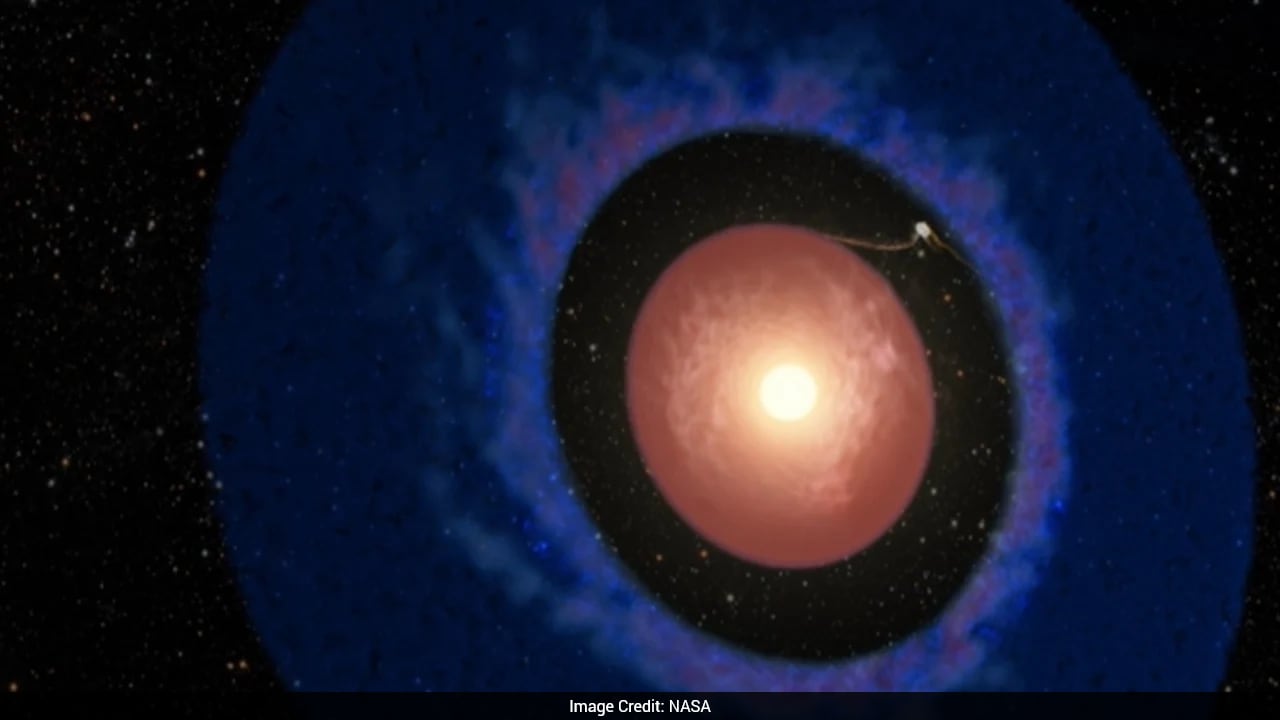
Lacki proposes focusing on giant structures like mirrors or Dyson swarms that manipulate starlight. Over time, such structures could break apart into microscopic particles, or "technograins," that drift through space. Some of this dust could eventually enter our solar system and settle on bodies like the Moon.

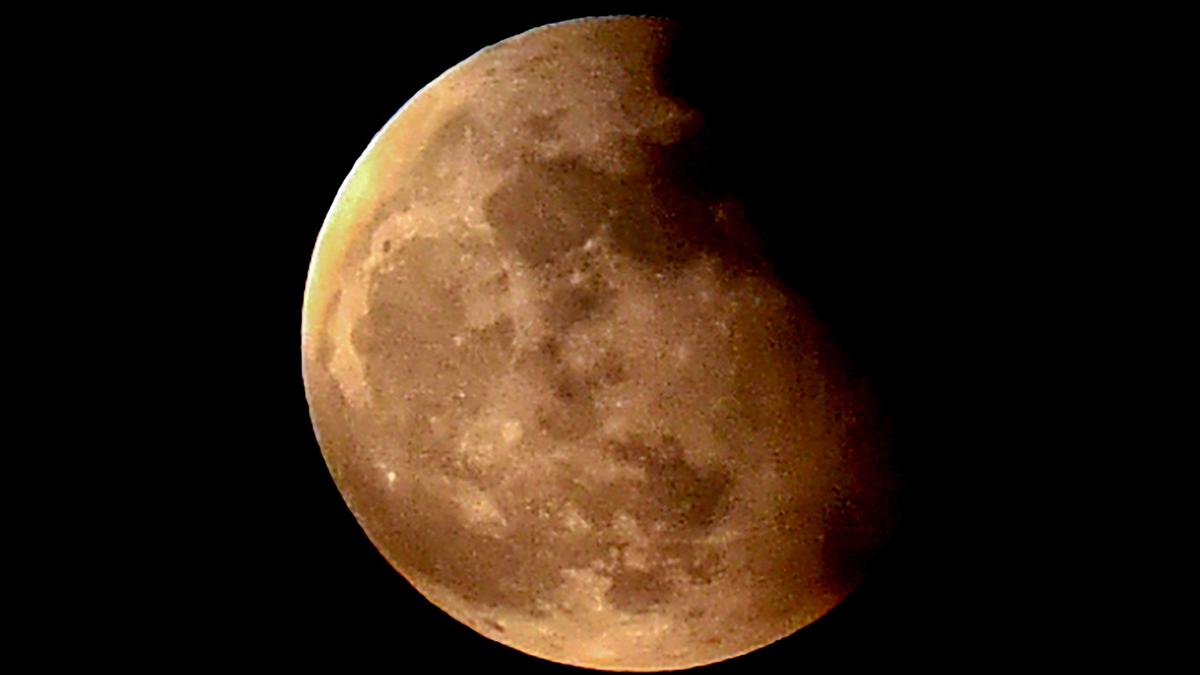
The Moon is considered an ideal location for this search because it lacks weather, water, and geological activity. Unlike Earth, where ancient evidence is erased, lunar regolith can preserve material for extremely long periods. Thus, traces of alien technology that arrived millions of years ago could still be present.

The study highlights a shift in thinking: rather than relying solely on telescopes to scan distant stars, future scientists could analyse lunar samples for unusual materials or chemical signatures not explainable by natural processes. While the idea remains speculative and no evidence has been found, it presents an intriguing possibility. Humanity's first hint of another technological civilisation might come not from a signal crossing the galaxy, but from ancient dust on the Moon.
Latest in Science 10
Did Van Gogh Paint 'The Starry Night' on July 22, 1889? New Study Offers a Date
science

Did Van Gogh Paint 'The Starry Night' on July 22, 1889? New Study Offers a Date

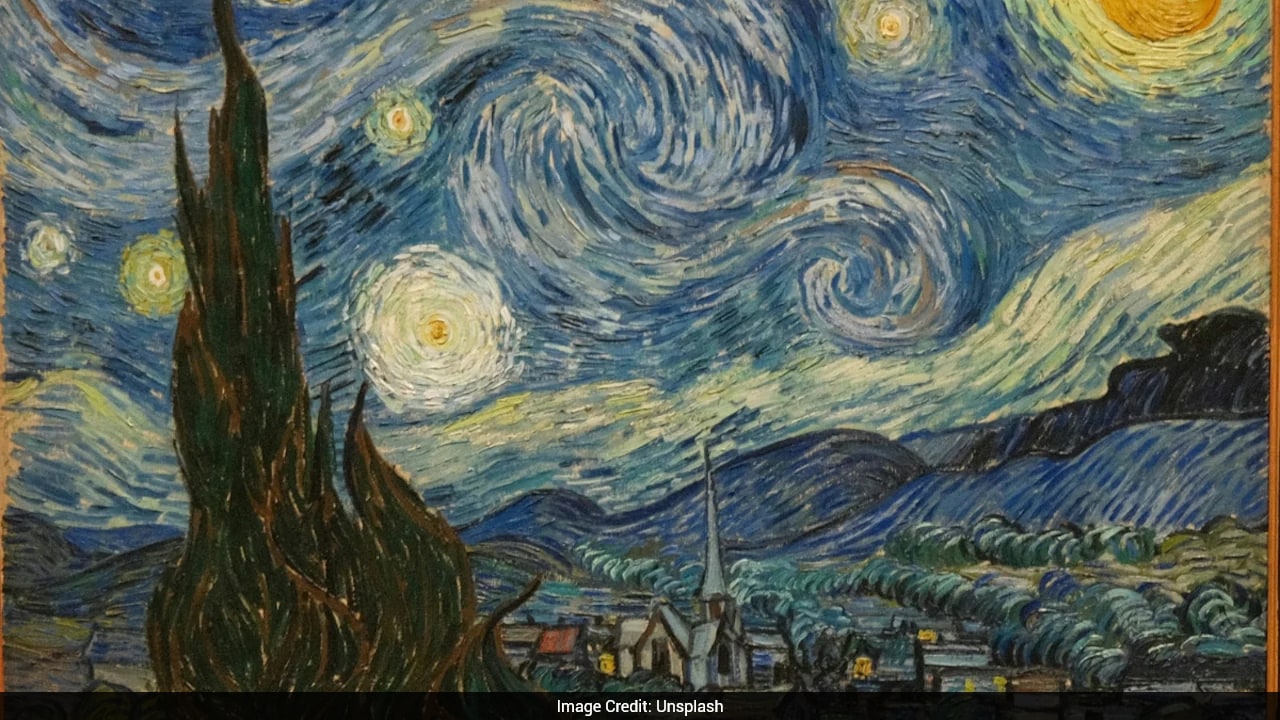
A study from Kyung Hee University in South Korea suggests that the positions of the Moon, Venus and the Hyades star cluster in The Starry Night best match the dawn sky of July 22, 1889, as seen from the asylum where Van Gogh stayed in southern France. The researchers say observation and imagination may have combined in the work and accept their findings are not conclusive. The Van Gogh Museum in Amsterdam maintains the painting was made in June 1889.

NDTV 25 Oct 2026, 02:08 AM
Read More →
Hyderabad scientists find the protein that lets cells spot a virus — and raise the alarm
science

Hyderabad scientists find the protein that lets cells spot a virus — and raise the alarm

Scientists at CSIR-CCMB in Hyderabad have identified a protein, DZIP3, that both detects viral RNA inside human cells and switches on the immune response, triggering the production of Type I interferons. The pathway was shown to offer protection against SARS-CoV-2, Chikungunya and Japanese Encephalitis viruses, suggesting potential for broad-spectrum antiviral drugs. The team is now working on small-molecule candidates to boost DZIP3 activity, though any treatment remains years away.

The Hindu 22 Oct 2026, 01:57 PM
Read More →
Kodavas Are Three Distinct Populations, Not One, Finds Genetic Study
science

Kodavas Are Three Distinct Populations, Not One, Finds Genetic Study

A peer-reviewed study has found that the Kodava (Coorg) community of Kodagu in Karnataka is not a single population but three genetically distinct groups, Coorg1, Coorg2 and Coorg3, whose histories stretch back up to 3,000 years. The research, published in Communications Biology, also points to male-mediated migration from Central Asia and the Middle East followed by assimilation with indigenous South Asian women.

The Hindu 18 Sep 2026, 01:51 PM
Read More →
→ View All Science News