Madhya Pradesh Rice Diversion: Rs 1,160 Crore Fortified Grain Probe
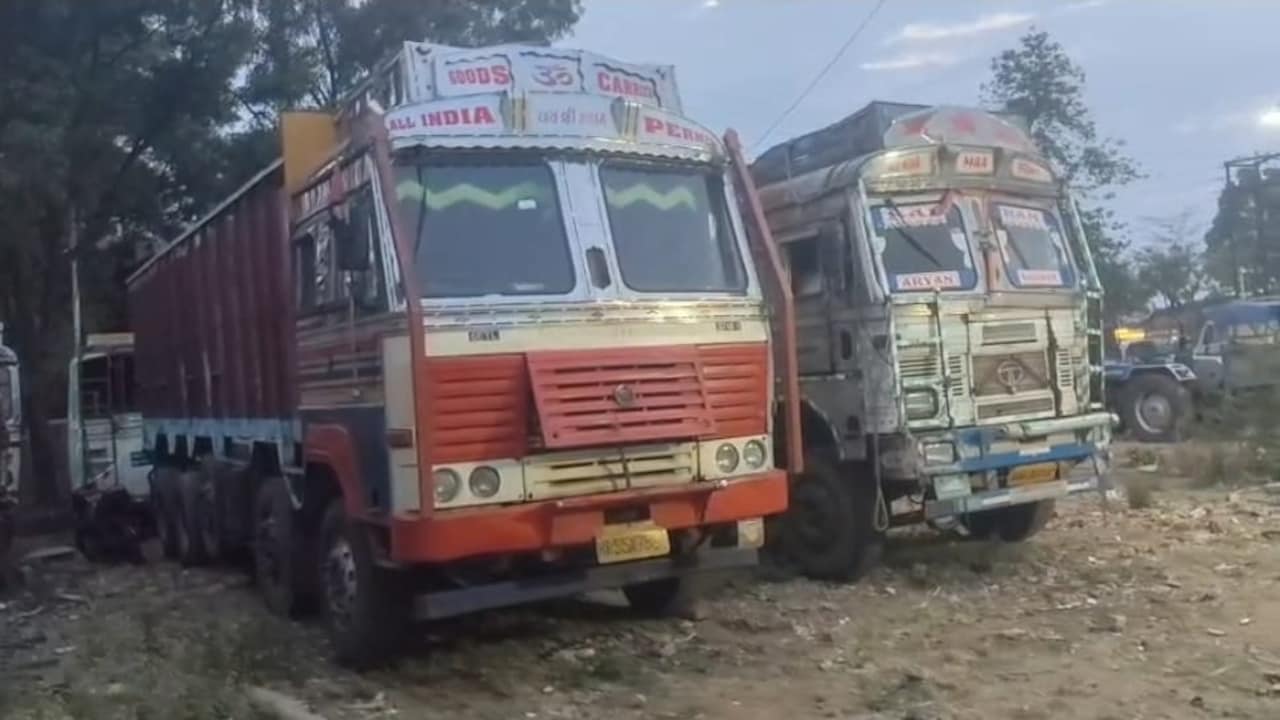
In Madhya Pradesh, a routine check of a truck parked inside a private rice mill has led to a massive investigation into the alleged diversion of government rice worth an estimated Rs 1,160 crore. The truck was found to be carrying 242.55 quintals of fortified rice, which was supposed to be delivered to an authorised ethanol plant but was instead parked at a private facility.
According to an FIR registered by Waraseoni Police, confidential letters from the Balaghat Collector, and investigation records accessed by NDTV, the case has expanded to examine the movement of nearly 5 lakh metric tonnes of rice. Investigators suspect that a significant portion of this rice, supplied at subsidised rates to ethanol plants, may never have been converted into ethanol. Instead, it is alleged that the rice was diverted to private rice mills and later sold back to government warehouses as custom milled rice, potentially allowing for illegal profits at multiple stages.
The grain in question is fortified rice, enriched with iron, folic acid, and Vitamin B12, which is part of the government's nutrition programme to combat anaemia and malnutrition among vulnerable groups. This means that rice associated with two major national objectives—public nutrition and cleaner fuel—may have been used in an alleged profit-making scheme involving private businesses and public systems.
To understand the suspected fraud, it is necessary to explain the government's policy of supplying rice to ethanol plants. India has expanded ethanol blending with petrol to reduce dependence on imported crude oil. The Food Corporation of India supplies surplus rice to authorised ethanol manufacturers under the Open Market Sale Scheme, Domestic (OMSS). Government agencies spend about Rs 3,900 to 4,000 per quintal on procuring, transporting, and storing rice, but the same rice is supplied to ethanol plants at nearly Rs 2,320 per quintal to promote ethanol production. The policy assumes that the subsidised rice will be converted into ethanol, but investigators now suspect that the system was manipulated.
The case came to light on June 3 when a truck was found inside a private rice mill. The FIR states that the truck was loaded with fortified rice meant for an ethanol plant. Subsequent investigations have revealed a possible pattern of diversion involving ethanol plant operators, rice millers, transporters, and officials responsible for allocation, movement, and monitoring of the grain. The allegations raise the extraordinary possibility that the government may have paid for the same rice twice: first by subsidising it for ethanol plants, and then by buying it back through the procurement system.
The investigation is ongoing, with authorities examining records and questioning individuals involved. The case highlights the need for stringent monitoring of government schemes to prevent such alleged diversions that undermine both nutritional and energy security objectives.







