China Tests Submarine-Based ICBM in International Waters for First Time
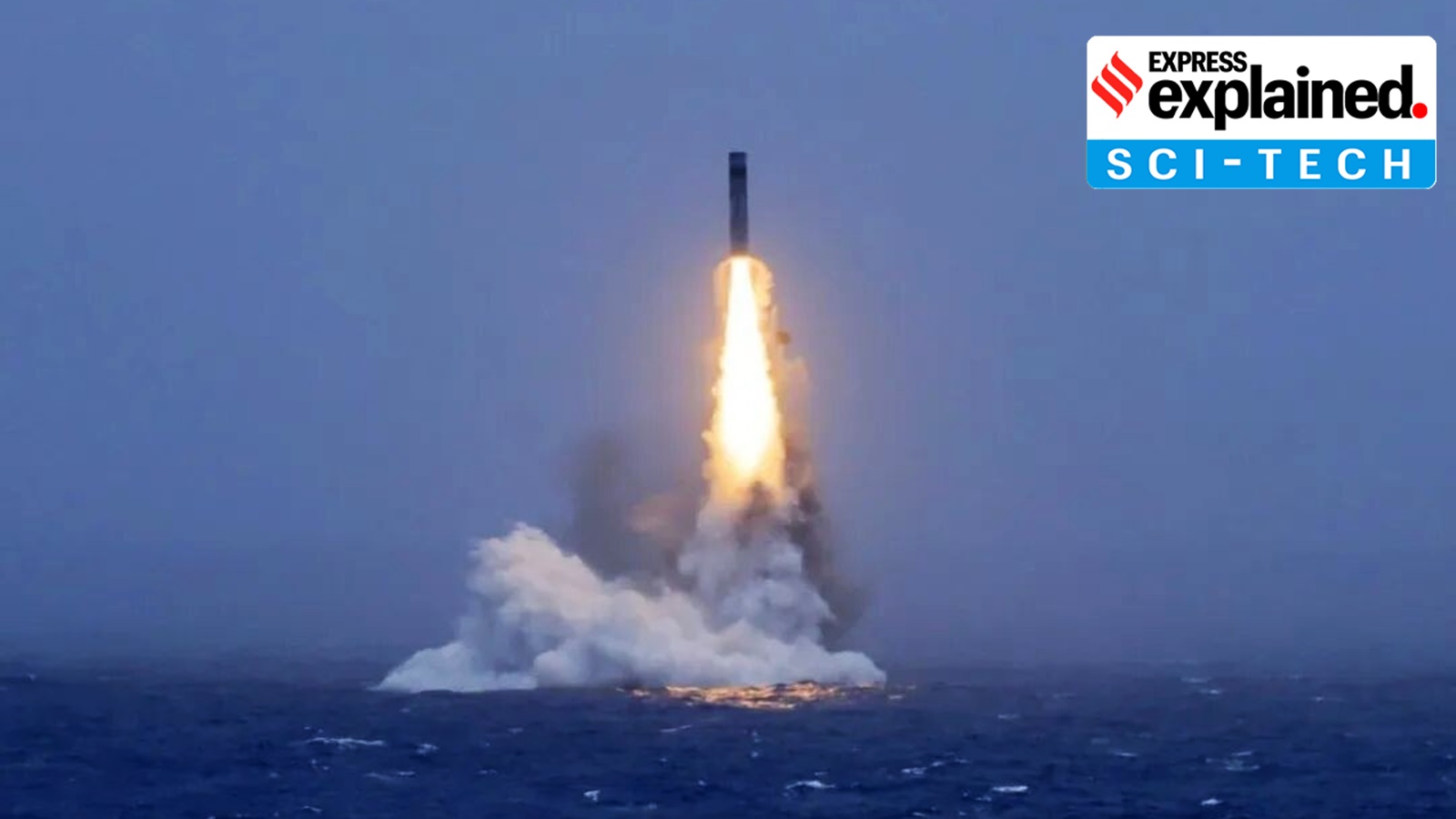
China tested a sea-based long-range intercontinental ballistic missile (ICBM) from a submarine in international waters on July 6, marking the first such test of a submarine-launched ballistic missile (SLBM) in international waters. The test follows a land-based ICBM test in September 2024 using the Dong Feng-31 delivery system.
According to reports, the missile was launched from a People's Liberation Army Navy Jin-class Type 094 submarine operating in the South China Sea. It carried a dummy warhead that travelled approximately 7,300 km, passing over the Philippines before landing in the Southern Pacific Ocean. The impact area falls within the South Pacific Nuclear-Free Zone established under the Treaty of Rarotonga, which prohibits testing or stationing of nuclear explosive devices.
It remains unclear whether the missile was the Ju Lang-2 (JL-2) or the newer Ju Lang-3 (JL-3). Both are submarine-launched ICBMs, with ranges of 8,000–9,000 km and over 9,000 km respectively, and can be deployed on China's Type 094 nuclear-powered ballistic missile submarines.
China issued navigation warnings prior to the test, indicating two potential routes: one from the South China Sea toward the Southern Pacific Ocean (the route used), and another from the Bohai Sea over Japan into the Pacific Ocean. Analysts suggest the second route may have been considered more escalatory, prompting China to choose the first.
This test is part of China's broader nuclear modernisation efforts. Since 2020, Beijing has constructed new missile silos, displayed advanced delivery systems in military parades, and conducted the 2024 land-based ICBM test. These actions are seen as attempts to demonstrate a credible nuclear triad—the ability to deliver nuclear weapons via land, sea, and air—and to strengthen second-strike capabilities, a key component of China's declared no-first-use nuclear policy.
Despite these developments, China's official nuclear strategy remains unchanged. Its core pillars include: no-first-use of nuclear weapons, assured retaliation, and a commitment not to use or threaten nuclear weapons against non-nuclear-weapon states or in nuclear-weapon-free zones.
The test has drawn attention from Indo-Pacific nations, including India, given the missile's trajectory over regional waters and the strategic implications of China's expanding nuclear reach. However, experts note that while China is enhancing its nuclear capabilities, it has not altered its declaratory policy.







