India Achieves 95% Measles Vaccine Coverage, a Milestone in Public Health
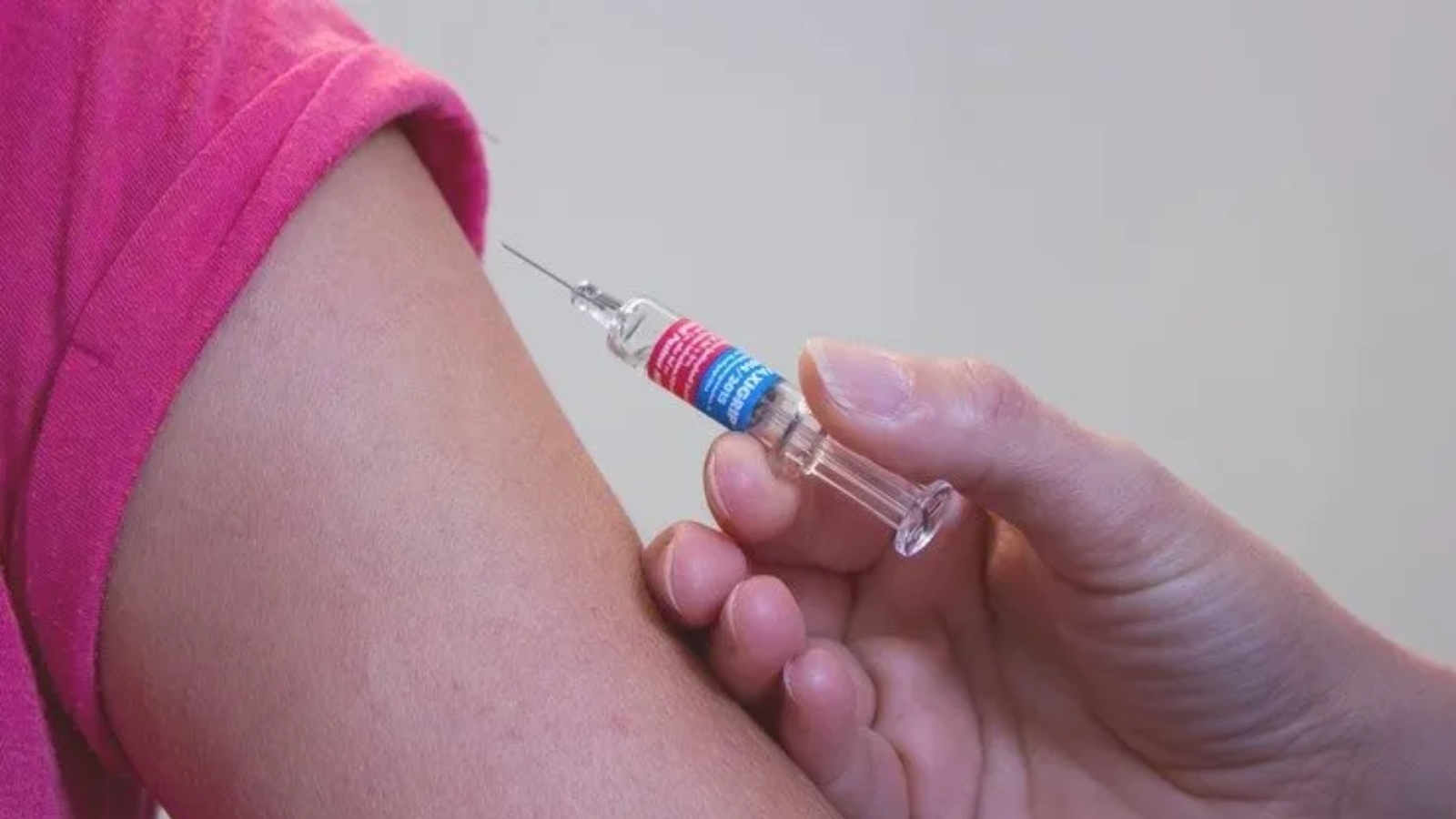
India has reached a significant milestone in public health by achieving 95% coverage for both doses of the measles vaccine, according to a recent report by the World Health Organization (WHO) and UNICEF. The coverage for a single dose stands at 98%. This marks the first year that India is not among the countries with the highest number of unvaccinated children, reflecting remarkable progress over the past decade.
Despite the achievement, approximately 453,000 children in India missed the measles vaccine in 2025. For comparison, Nigeria had the lowest measles vaccine coverage globally, with 56% of its children— about 3.2 million—not receiving the first dose.
India has surpassed its pre-pandemic vaccination levels, while the world as a whole is still struggling to recover. In 2019, India's coverage was 95% for a single dose and 84% for both doses. Globally, measles vaccination with at least one dose has not yet regained its 2019 level, with 1.8 million more children unvaccinated now than before the pandemic.
However, despite high vaccine coverage, India reported 18,774 measles cases in 2025. Experts attribute this to the highly contagious nature of measles. Dr. Pradeep Haldar, former head of the government's immunisation programme, explains: “Measles has an R0 (basic reproduction number) of 12 to 16, compared to COVID-19's R0 of 3 to 4. This means one infected person can spread measles to 12 to 16 others, so even a small number of unvaccinated people can lead to outbreaks.”
While WHO recommends maintaining immunisation levels above 90% to prevent spread, this may not always suffice. Dr. Haldar notes: “Even with 100% vaccination, about 15% of recipients may not develop immunity after the first dose. A second dose increases protection, but some remain susceptible. Also, the national average of 95% masks local pockets with lower coverage.”
The report also highlights that 679,000 children in India remained unvaccinated for any disease in 2025. This number has decreased by 230,000 from the previous year, but challenges remain in reaching the most remote or resistant communities. Dr. Haldar states: “This group includes those who refuse vaccines and migratory families. They are the hardest to reach.”
Globally, 13.5 million children remain unimmunised — 674,000 more than in 2019. India's success is attributed to decades of sustained efforts, including strategies to engage vaccine-hesitant families, track migrant populations, ensure consistent vaccine supply, and train vaccinators. Even during the COVID-19 pandemic, India maintained immunisation services despite travel restrictions.