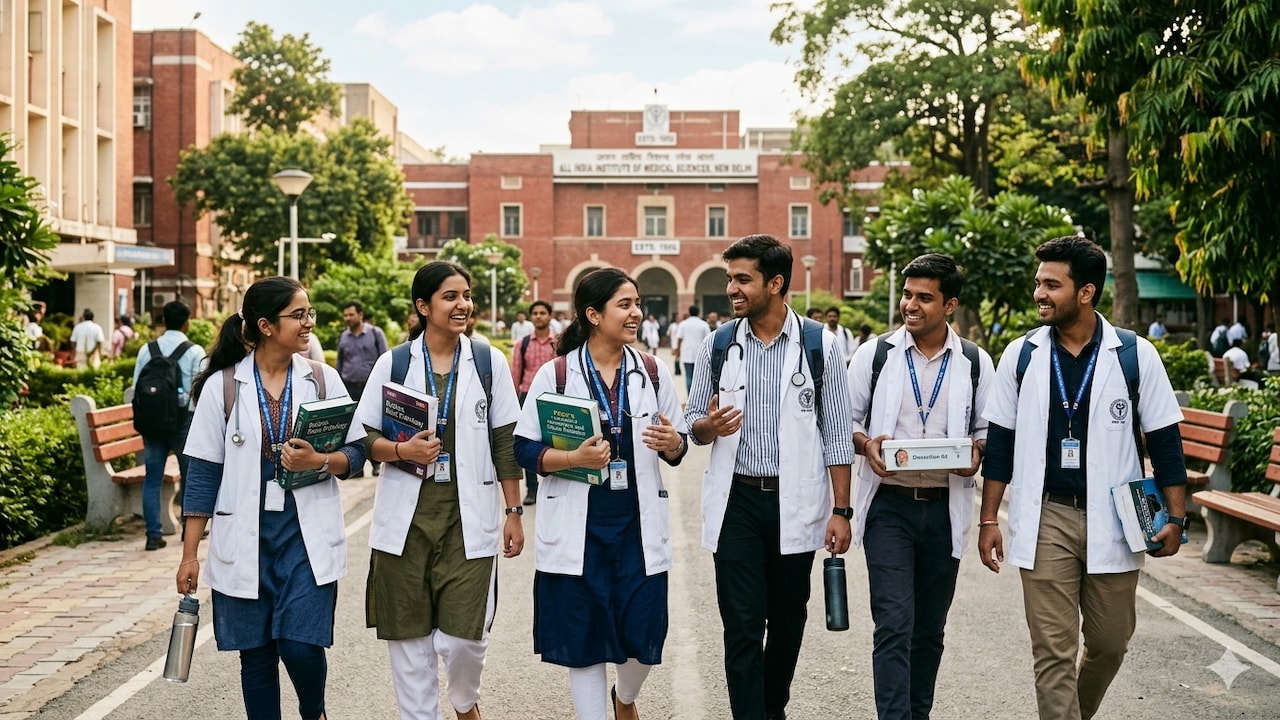
Rohtak cardiologist dies at 45: Doctor warns of chronic stress and long hours as risk factors
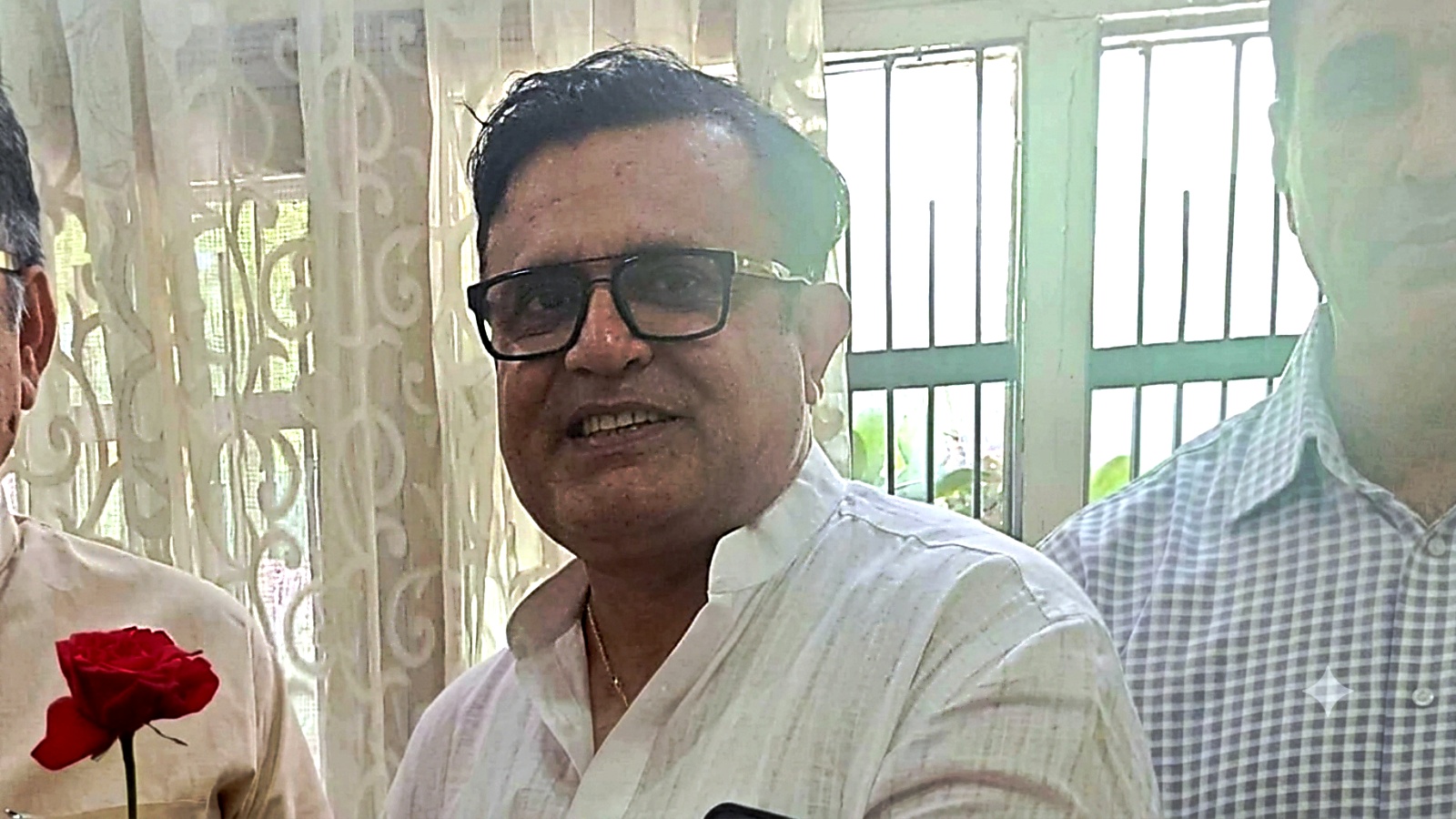
The death of 45-year-old Dr Aditya Batra, a leading interventional cardiologist from Rohtak and director of Holy Heart Hospital, has brought renewed attention to sudden cardiac deaths among younger individuals. According to reports, he had performed two surgeries earlier in the day before returning home. That night, he experienced chest pain, fainted, and was rushed to hospital. Despite three hours of CPR, he could not be revived.
Dr Ranjan Shetty, lead cardiologist at Sparsh Hospital, Bengaluru, commented on the incident: “The answer lies not in a single trigger but in the cumulative burden of chronic stress, sleep deprivation, burnout and delayed self-care that has become almost endemic in the medical profession.”
Doctors often work 24- to 36-hour shifts, face constant pressure, skip meals, and neglect their own health checks. Dr Shetty explained that such conditions create a sustained inflammatory state in the body, damaging blood vessels, accelerating plaque formation, and raising the risk of coronary artery disease. Stress hormones like adrenaline and cortisol keep blood pressure elevated and increase the heart's workload.
Many doctors who died suddenly were physically active. However, exercise alone cannot offset risks from family history, hypertension, diabetes, prolonged stress, poor sleep, and long sedentary periods during work. Chronic stress can destabilise arterial plaques, and surges in stress hormones can trigger a heart attack in susceptible individuals.
Heart attack and sudden cardiac arrest are often confused. A heart attack occurs when blood flow to part of the heart muscle is blocked. Sudden cardiac arrest is an electrical malfunction causing the heart to stop pumping effectively. A severe heart attack can lead to dangerous rhythm disturbances culminating in sudden cardiac arrest.