Delhi Sets Ambitious 100-Day Target to Vaccinate 1.49 Lakh Girls Against HPV
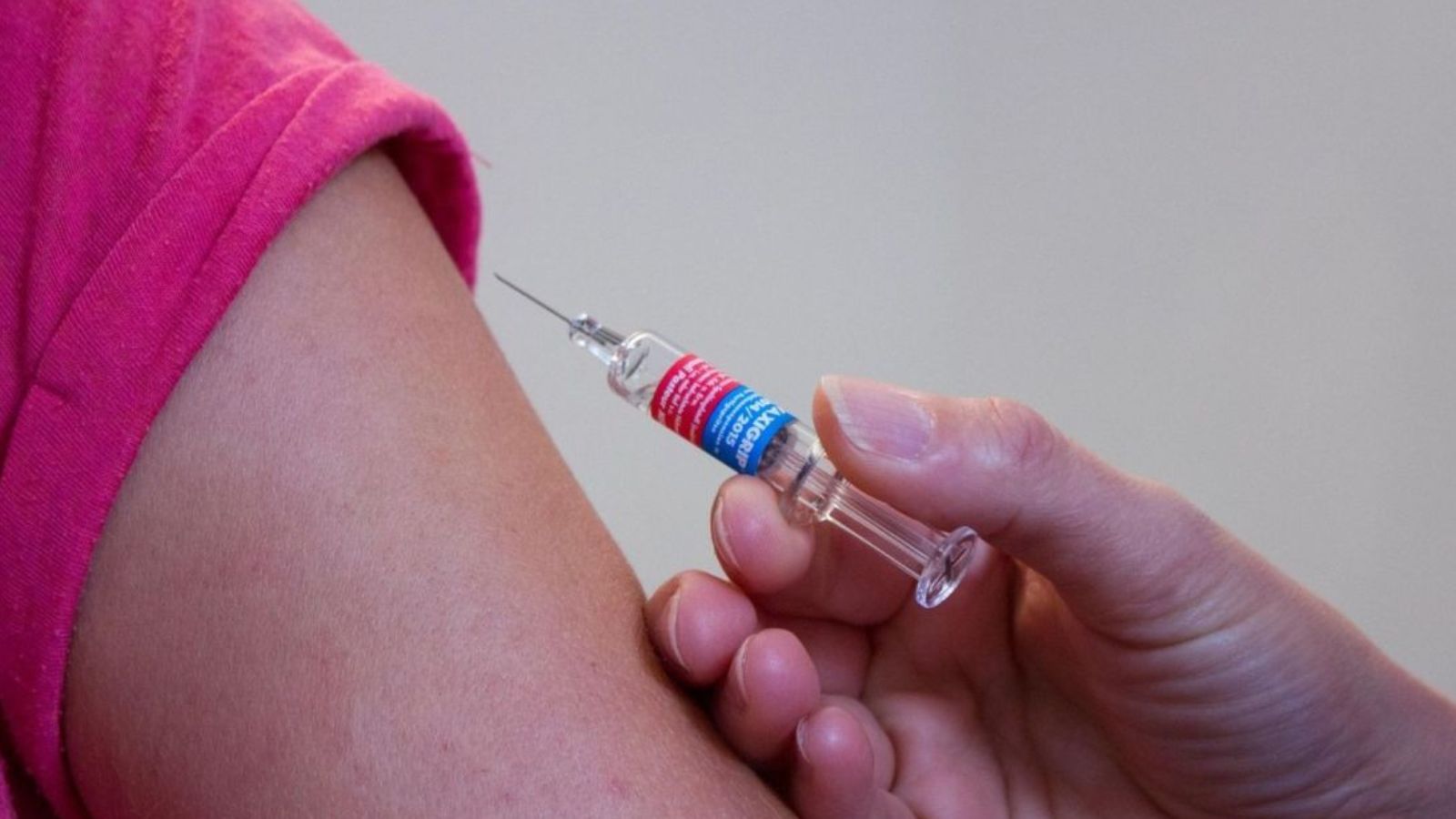
More than four months after India launched its national Human Papillomavirus (HPV) vaccination programme for 14-year-old girls, Delhi has administered roughly 13,500 doses. The state government has now launched a renewed push in schools with an ambitious target of vaccinating 1.49 lakh girls over the next 100 days, The Indian Express has learnt.
Officials said the fresh target comes after the Delhi Health department reviewed the campaign's progress following its initial 90 days and concluded that deeper engagement with schools would be critical to accelerating coverage.
“After the initial 90 days, we reviewed the progress on the ground and decided to re-approach the Education department for its full cooperation at the school level. We are giving this initiative a renewed push since schools have now opened up after summer vacation. We aim to achieve 1.49 lakh vaccinations in 100 days,” a Health department official told The Indian Express.
India rolled out its national HPV vaccination programme on February 28 to protect 14-year-old girls against cervical cancer, aiming to vaccinate nearly 1.15 crore girls annually across states and Union Territories. Cervical cancer is the second most common cancer among women in India and remains one of the country's leading causes of cancer-related deaths among women.
While Delhi's coverage has steadily risen from around 11,000 doses reported in May to approximately 13,500 now, officials acknowledged that progress has been slower than anticipated, largely because schools were occupied with examinations before closing for the summer vacation.
“We had first written to the Education department in March seeking its cooperation in spreading awareness about the vaccination drive. But soon, examinations started in schools and then summer vacation began, creating a gap of nearly over a month. That is why the progress slowed,” the official said.
With schools reopening, the Health department has once again reached out to Education authorities, holding both virtual and in-person meetings with deputy directors of education (DDEs) across districts as well as school principals. “We are personally and virtually interacting with each DDE in every zone and with principals to push the programme. Doctors from our department are visiting schools on the ground to spread awareness about HPV and the vaccine. We have resent the parent consent forms for the vaccination too,” the official said.
Alongside school outreach, the department has intensified its communication campaign to counter vaccine hesitancy, which officials continue to identify as one of the programme's biggest challenges. “We are actively circulating videos explaining the benefits of the vaccine and myth-busting misinformation. Many people have fears, so we are sharing videos of senior doctors explaining why people should not believe rumours,” the official said.
Officials are also using testimonials from women who received HPV vaccines years ago to reassure parents. “We are showing videos of women and their success stories. Several women who received the vaccine in 2009 have now given birth and are healthy and happy,” the official said.
According to officials, combating misinformation in Delhi requires a different strategy than in many other parts of the country because of the rapid spread of health-related rumours through social media. “In a place like Delhi, spreading awareness is tricky because the urban population is highly exposed to misinformation circulating on social media,” the official said. “During the summer vacation, we remained closely engaged with ASHA workers, but mobilising government schools has a much greater impact and produces better outcomes.”
The renewed campaign will focus heavily on government schools, with health officials expecting classroom-based awareness sessions, counselling of parents and coordinated efforts between teachers and health workers.