EU Proposes Ban on Social Media for Children Under 13 Until Safety Proven
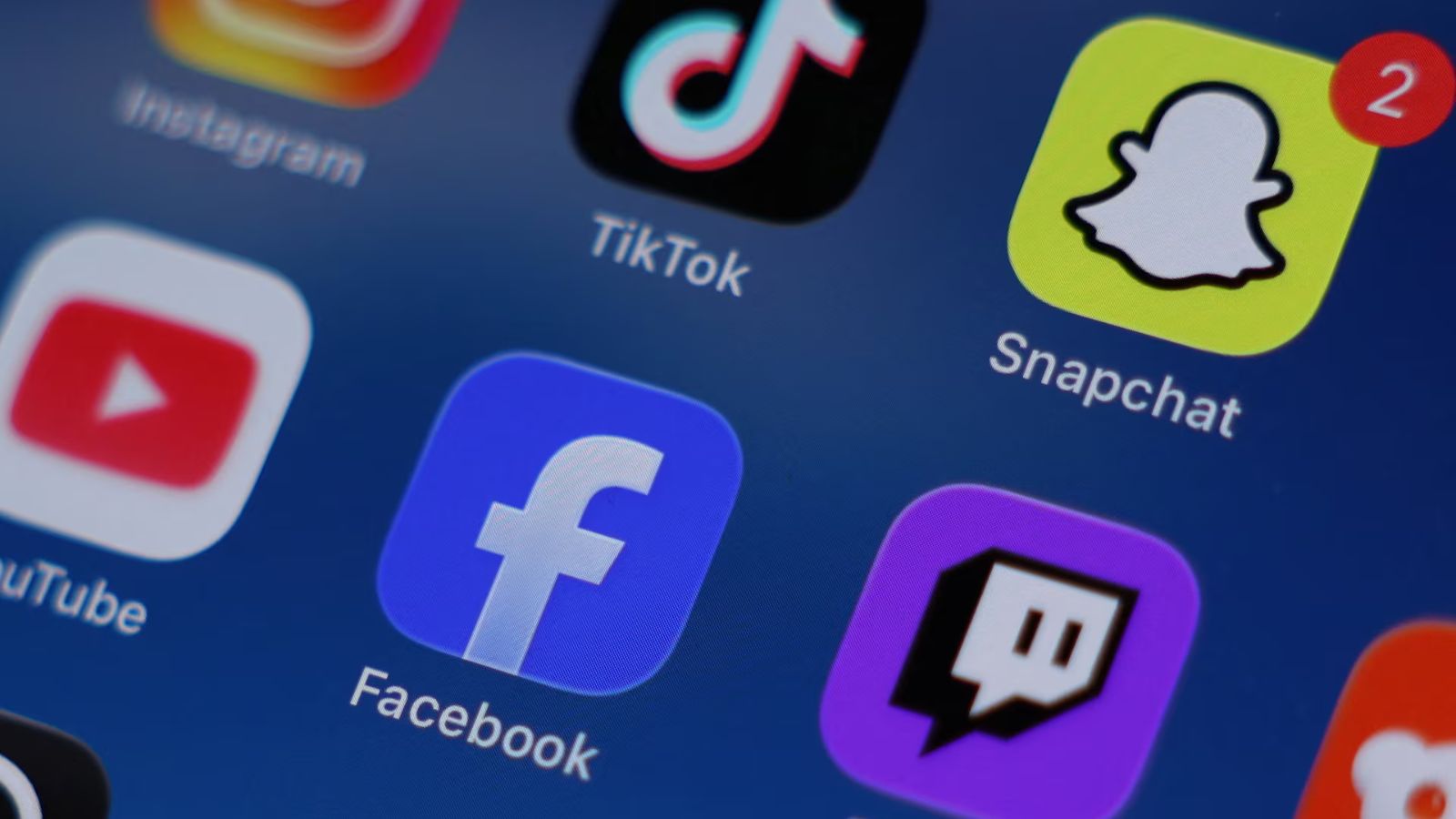
The European Union is considering strict age restrictions for children using social media, with top officials calling for a ban on access for those under 13 until platforms can demonstrate safety. European Commission President Ursula von der Leyen, a trained doctor, outlined her concerns on Monday, noting that children under three should have no screen exposure at all.
Von der Leyen pointed to "addictive" features such as infinite scrolling that tech companies must address. The remarks came as a special EU panel on digital challenges recommended forbidding access for minors under 13 unless platforms prove their environments are secure.
The push aligns with a growing global trend. Australia, the United Kingdom, Turkey, Indonesia, and other nations have passed laws banning children under 15 or 16 from using platforms like TikTok, YouTube, and Instagram. These measures reflect increasing awareness of the risks social media poses to young, developing brains, including mental health issues and exposure to harmful content.
The EU's approach emphasizes precaution: requiring proof of safety before allowing access. This contrasts with the current system where platforms are presumed safe until problems arise. Von der Leyen stressed the need for a "digital reset" to protect children.
While details of the proposed legislation are still being shaped, the panel's recommendation signals a significant regulatory shift. Tech companies may face new obligations to design age-appropriate experiences and implement robust verification systems.
Critics argue that such bans could infringe on children's rights to information and expression, while supporters say the measures are necessary to safeguard well-being. The EU aims to strike a balance between protecting minors and preserving digital freedoms.
Further discussions are expected in the coming months as the EU moves toward drafting formal rules. The outcome could influence global standards for children's online safety.







