Supreme Court Questions Misuse of POCSO Act in Teenage Elopement Cases
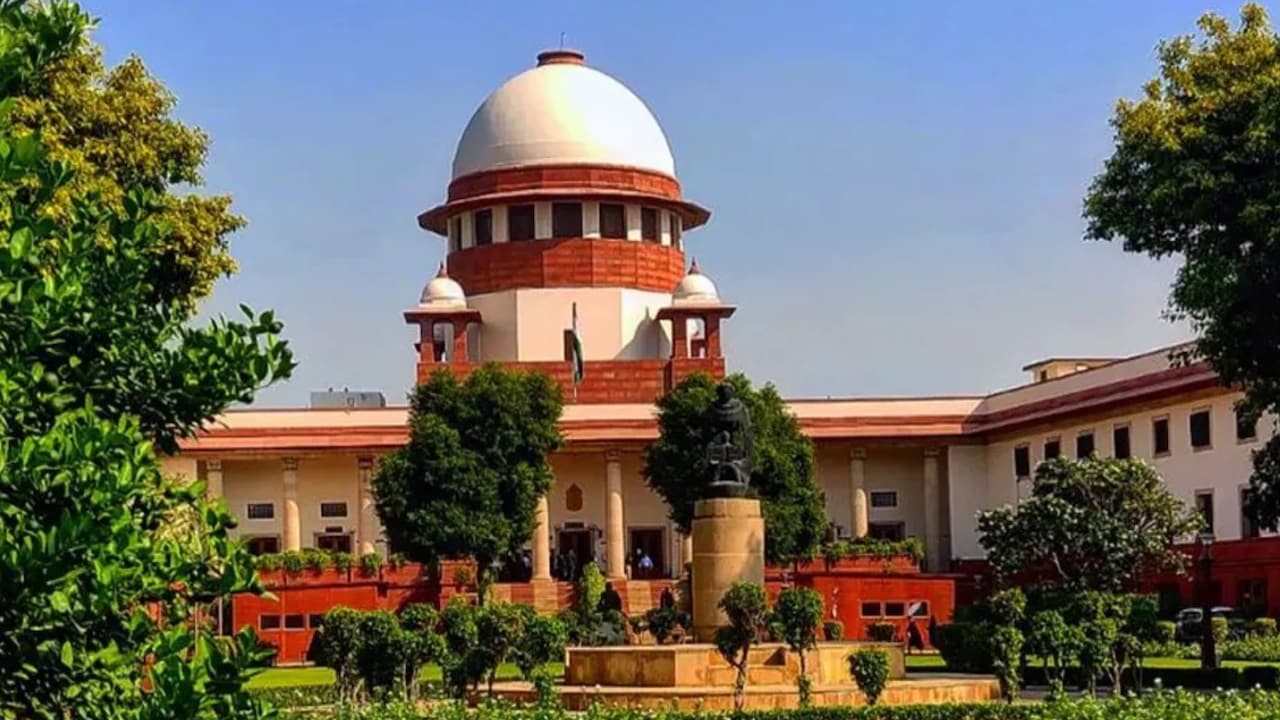
The Supreme Court of India has raised concerns about the misuse of the Protection of Children from Sexual Offences (POCSO) Act in cases involving teenagers in consensual relationships. A bench of Justices BV Nagarathna and R Mahadevan observed that parents often invoke criminal proceedings to protect family honour when adolescent girls elope with their partners.
During a hearing on a suo motu case concerning adolescents' right to privacy, the court questioned whether the POCSO Act should apply in such situations. "How does the state prevent the elopement of a girl and a boy? POCSO is sexual assault and exploitation of children. 15-18 is a vulnerable age, an age of experimentation. The question is, does it really become a POCSO case?" the bench remarked.
The case originated from a Calcutta High Court ruling that advised adolescent girls to control their sexual urges, which the Supreme Court later set aside. Senior advocate Madhavi Divan informed the court about the status of the original incident involving a minor girl and a 25-year-old man. She stated that the matter had been resolved, and the girl, now married to the man, is happy. Divan highlighted the failure of the system in handling POCSO matters and stressed the need for rehabilitation measures for minors under the Act.
The Supreme Court noted that such relationships existed before the age of consent was raised from 16 to 18 in 2012. "It's not just after 2012 that it has been happening. It had been happening earlier too, like child marriages. When the age becomes 18, it becomes illegal," the court said, emphasising the need for practical directions.
The central government's lawyer proposed introducing POCSO awareness from Class 6 onwards in a graded manner and creating a dashboard for monitoring cases. However, the Supreme Court declined to assign monitoring to the Union government, stating that high courts already have committees for child rights and that state governments can handle oversight.
The court will hear the matter next on July 17.







