Wildfires in France and Spain force over 300,000 to evacuate amid record heatwave
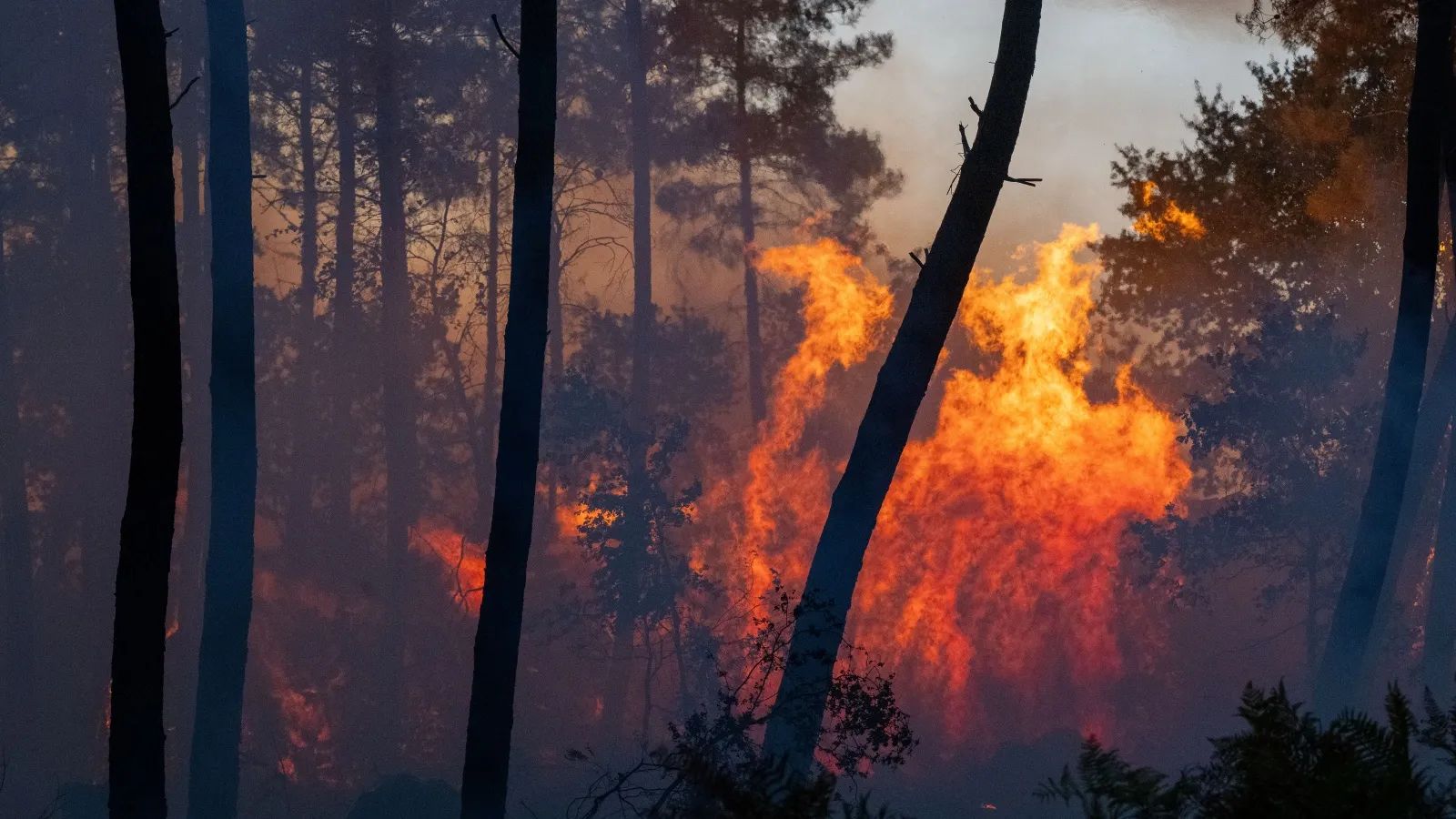
Massive wildfires fuelled by extreme heat and strong winds have forced more than 300,000 people to flee their homes in France and Spain, as both countries struggle to contain the blazes. The fires, among the worst in recent years, have prompted large-scale evacuations and raised concerns about the impact of climate change on wildfire seasons across Europe.
In France, authorities ordered around 250,000 residents to leave the south-western regions of Gironde and Landes, where flames have consumed thousands of hectares of forest near the city of Bordeaux. Firefighters, aided by water-bombing aircraft, have been battling the fast-moving fires for days, but shifting winds and dry conditions have hampered efforts. Another 55,000 people were told to evacuate late Saturday as the blaze threatened new areas.
In Spain, nearly 60,000 people have been evacuated from regions including Madrid and Ávila. A man in his 70s was found dead in his car after a wildfire near the Valencian town of Manises, marking the first confirmed fatality from the current wave of fires. Thousands more remain under confinement orders, unable to return to their homes as firefighters work to secure containment lines.
The wildfires coincide with an intense heatwave that has pushed temperatures above 40°C (104°F) in parts of both countries. Meteorologists have warned that such extreme weather events are becoming more frequent and severe due to global warming. In France, the national weather service Météo-France has issued red alerts, the highest level, for multiple departments. Spain's State Meteorological Agency (AEMET) has similarly warned of 'extreme risk' for large areas.
Both governments have mobilised additional resources, including military units and emergency services, to support local firefighters. The European Union has also activated its Civil Protection Mechanism, sending firefighting aircraft and personnel to assist. In France, President Emmanuel Macron has pledged increased funding for fire prevention and called for better forest management.
Evacuated residents have been housed in temporary shelters, including schools and sports centres. Many have expressed frustration at the lack of warning and the speed at which the fires spread. 'We had just minutes to pack our bags and leave,' one evacuee told reporters. 'The sky turned orange, and we could feel the heat through the windows.'
Climate experts have noted that the early onset and intensity of this year's wildfires in Europe align with predictions that rising global temperatures will lead to longer and more destructive fire seasons. A study by the European Forest Fire Information System (EFFIS) found that the area burned by wildfires in the EU has increased significantly over the past decade, with 2022 already seeing some of the largest fires on record.
As the fires continue, authorities stress that the priority remains saving lives and preventing further damage. With forecasts showing little relief in the coming days, residents across affected regions are bracing for more evacuations and a prolonged battle against the flames.