Delhi-NCR Winter Pollution Curbs: Old Vehicle Ban, 50% Work From Home, Costlier Parking
Tough new winter pollution rules have come into force across Delhi and the National Capital Region, with the administration ordering restrictions on older vehicles, construction activity, office attendance and parking to curb smog over the coming months. According to an official order, the measures will remain in force from November 1, 2026, to January 31, 2027.
The restrictions will be backed by dedicated enforcement teams, automatic number plate recognition (ANPR) cameras and an AI-enabled Integrated Command and Control Centre, the Chief Minister's Office said in a statement. E-challans will be generated against vehicles found violating the rules.
Here is what the new rules mean for commuters, offices and businesses.
1. Older vehicles barred from entering Delhi
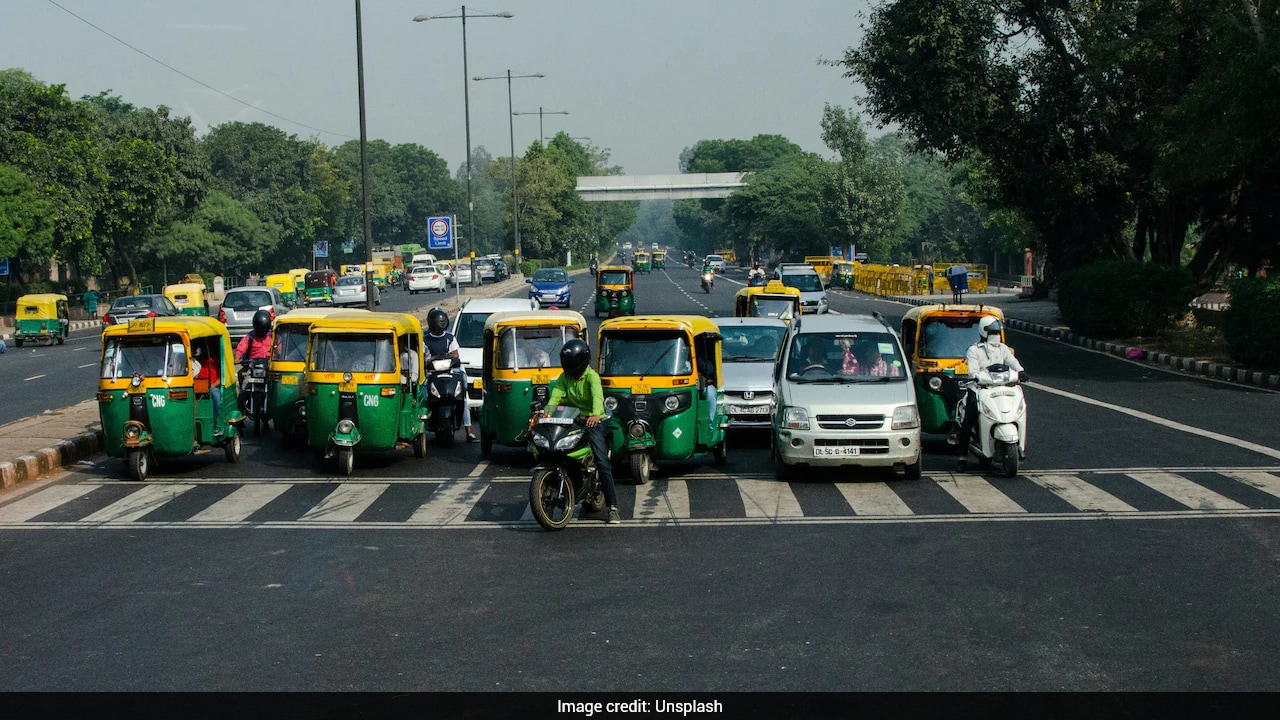
Vehicles registered outside Delhi that do not meet BS-VI emission standards are barred from entering the capital during this period. The restriction is expected to affect an estimated 10 lakh older petrol and diesel vehicles arriving from neighbouring cities such as Noida, Gurugram, Faridabad and Ghaziabad. Electric vehicles, CNG vehicles and emergency transport such as ambulances and fire tenders are exempt.
2. Construction and demolition curbs
All dust-generating demolition and outdoor civil construction work is banned between November 1 and January 31. Specified essential public infrastructure projects are exempt, subject to prescribed conditions. Indoor finishing, plumbing and electrical work may continue, provided dust-control standards are followed.
3. Half of office staff to work from home
Government and private offices have been instructed to keep only half their staff physically present, with the remaining employees working from home. Essential services are kept out of this requirement.
4. Staggered office timings and higher parking fees
Office timings for civic bodies have been adjusted to spread out peak-hour traffic. Municipal Corporation of Delhi offices will function from 8.30 am to 5 pm, while Delhi government offices will operate from 10 am to 6.30 pm. Parking fees at many public lots are set to double in an effort to discourage private vehicle use. Parking facilities owned and managed by the Delhi Metro Rail Corporation are exempt from the hike.
5. No PUC, no fuel
From November 1, the 'No PUC, No Fuel' policy will be enforced at petrol pumps across Delhi. Around 500 pumps have been equipped with ANPR cameras that scan number plates and vehicle details. Where the Pollution Under Control (PUC) certificate is found to be invalid, the pump operator will refuse to dispense petrol, diesel or CNG.
Why these measures are being taken
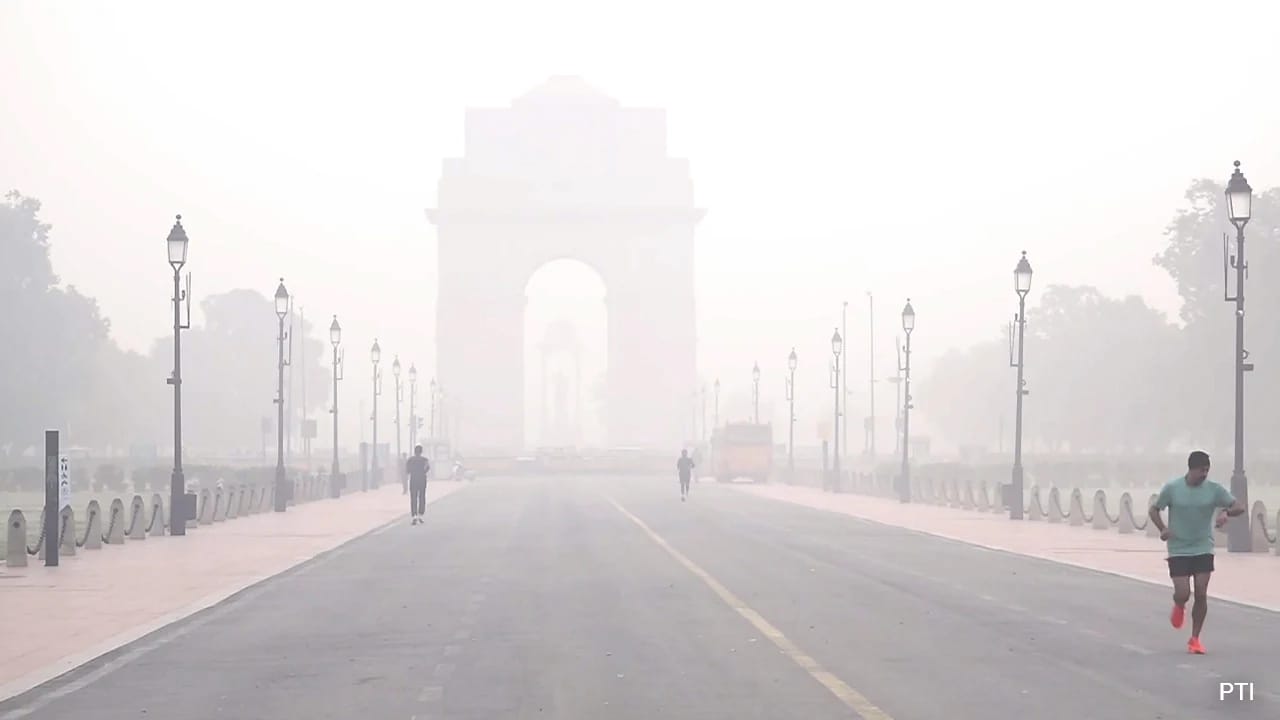
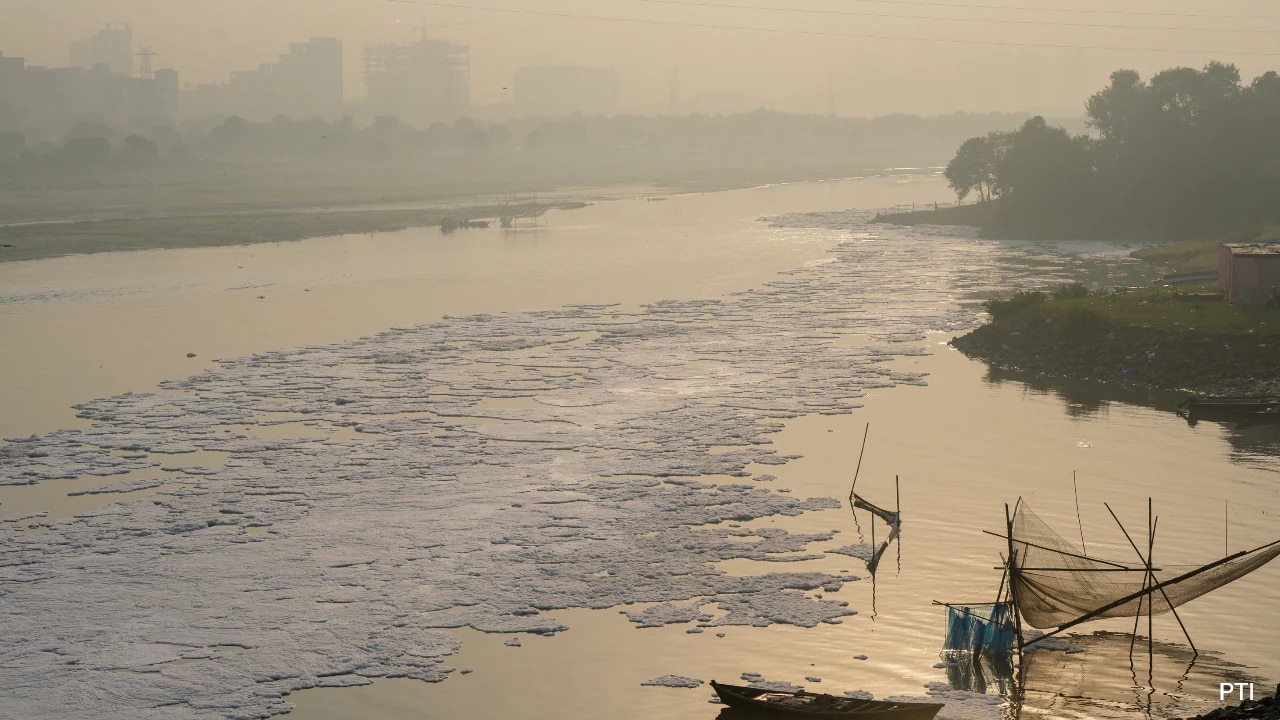
Air quality in Delhi-NCR deteriorates sharply every winter, when a combination of vehicular and industrial emissions, road and construction dust, and smoke from farm-residue burning is trapped close to the ground by cooler temperatures and slow winds. Restrictions of this kind have been rolled out in earlier winters under the graded response framework for the region, with measures tightened as pollution levels rise.
What commuters should do
People travelling between neighbouring towns and Delhi are advised to check their vehicle's emission standards and plan journeys in advance to avoid fines or being turned back at border checkpoints. Chief Minister Rekha Gupta has appealed to residents to comply with the restrictions. Commuters have also been asked to follow Delhi Traffic Police handles for regular updates on enforcement and diversions.
Officials have said compliance will depend heavily on camera-based detection and field teams. Commuters should confirm specific exemptions and timings through official notifications, as the scope of enforcement at individual border points and parking lots may vary.