Delhi-NCR construction and demolition ban from Nov 5 to 20 as air pollution measures tighten

Construction and demolition activities that generate dust will be banned across Delhi and the National Capital Region (NCR) from November 5 to 20, Union Minister for Environment, Forest and Climate Change Bhupender Yadav announced on Friday, October 30, 2026. Projects of national importance will be exempted from the restriction.
The Commission for Air Quality Management in the National Capital Region and Adjoining Areas (CAQM) is expected to issue a formal order on the same day, the Minister said. The first stage of the Graded Response Action Plan (GRAP), a set of measures that is tightened in steps as air quality deteriorates, remains in force, and the commission is enforcing additional steps to make pollution control in the region stricter.
"This is our peak time (for air pollution). This will be for dust generating demolition and outdoor civil construction activities," Mr. Yadav said, adding that exemptions would be given to projects of national importance.
A ban fixed to a specific 16-day window is not a measure the CAQM normally resorts to. A senior official told The Hindu that the step is being taken in view of Deepavali, which falls on November 8 this year, when pollution from firecrackers is expected to rise.
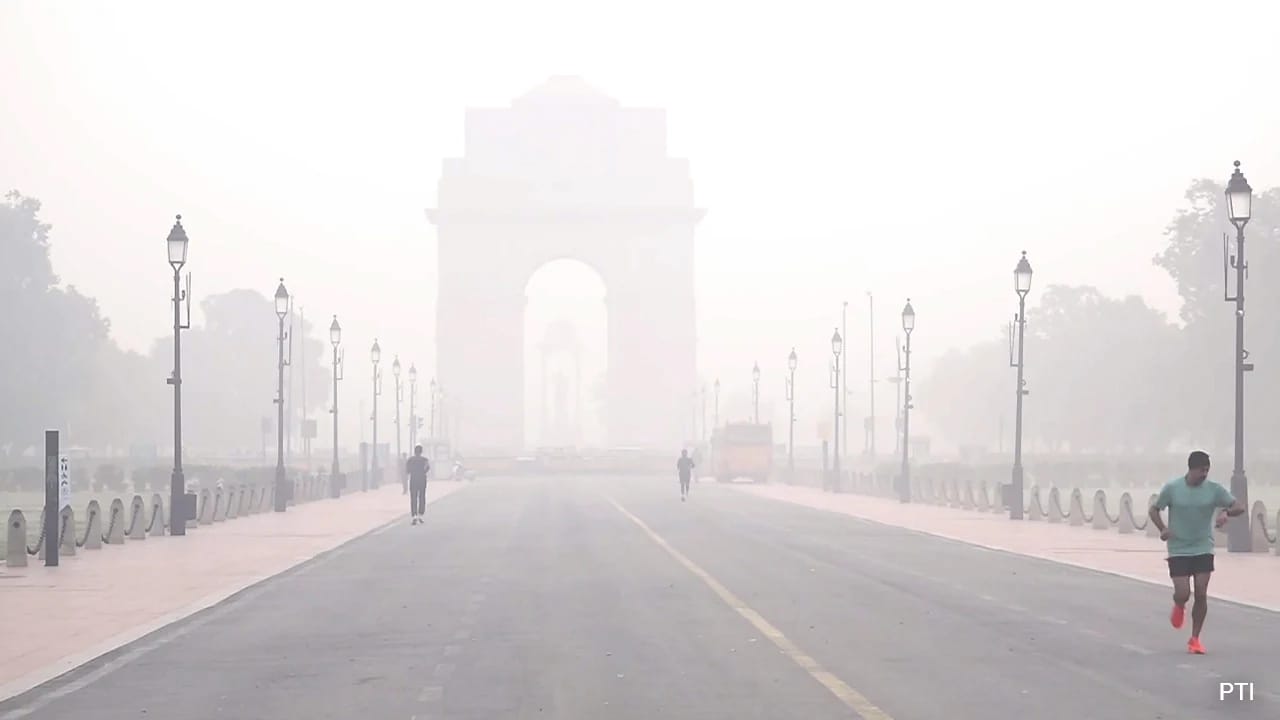
Pollution from stubble burning in the region is also expected to peak around the same period, because harvesting is under way in neighbouring States, the official added. The combination of seasonal factors — festival fireworks, farm fires and dust from building activity — typically places the region's air quality under severe strain between late October and the end of November. The restrictions announced on Friday are aimed at curbing the portion of that load that comes from construction sites.
Later in June, the Delhi government had issued a gazette notification banning dust-generating demolition activity and outdoor civil construction activity in the city from November 1 to January 31. Essential public infrastructure projects were exempted from that order. The national capital's notification had also made 50% work from home mandatory for government and private offices in Delhi for the same period, from November 1 to January 31, with certain exemptions.
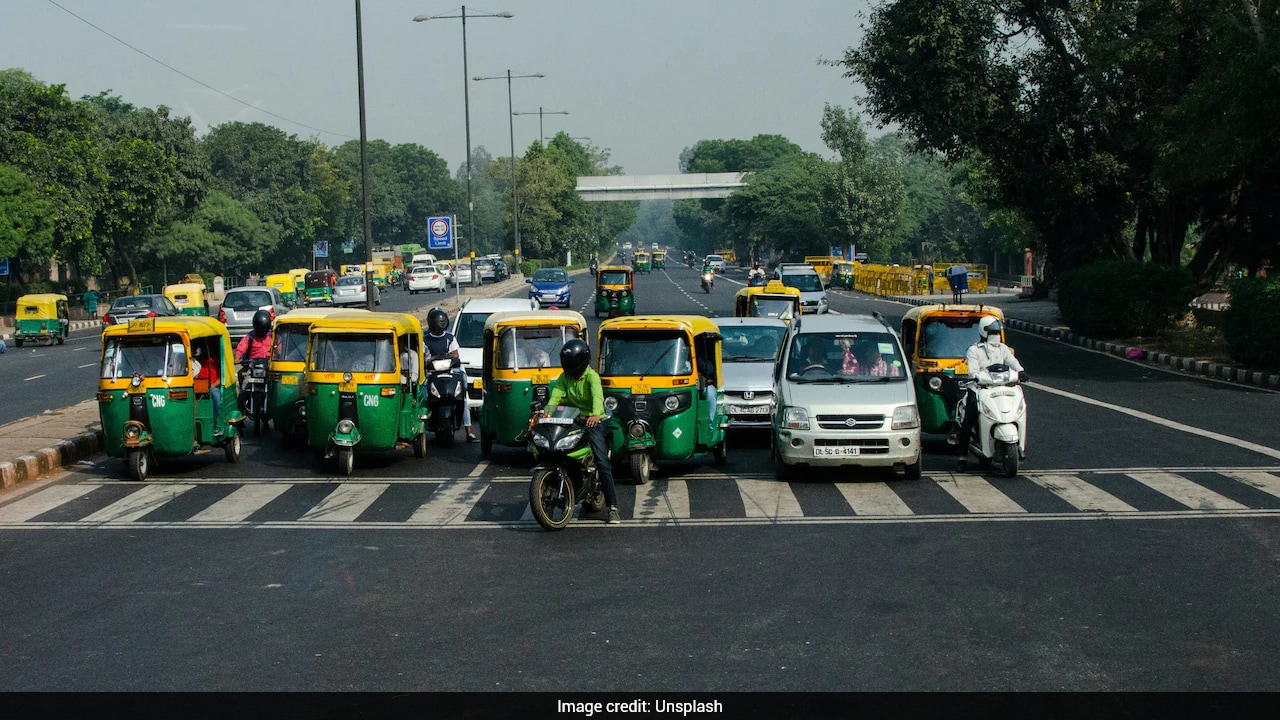
The CAQM is also expected to issue an order for 50% work from home for government and private offices in the High Vehicle Density (HVD) districts of Gurugram, Faridabad, Sonipat, Ghaziabad and Gautam Buddha Nagar. These districts, which sit on the region's most congested traffic corridors, have been identified under the air quality management framework as areas where vehicular emissions add significantly to the pollution load.
The measures follow a series of directions issued by the commission in recent weeks as winter approaches and the region's air quality begins to decline. Construction activity is one of the largest contributors to particulate matter in the region, alongside vehicular exhaust, road dust, industrial emissions and the burning of crop residue.
Neither the CAQM nor the Delhi government has yet said how the exemptions for projects of national importance will be verified on the ground, or how the work-from-home directions will be monitored in the private sector. Details are expected in the commission's order.