Toxic Foam Returns to Yamuna as Delhi-NCR Air Quality Slips to 'Unhealthy'
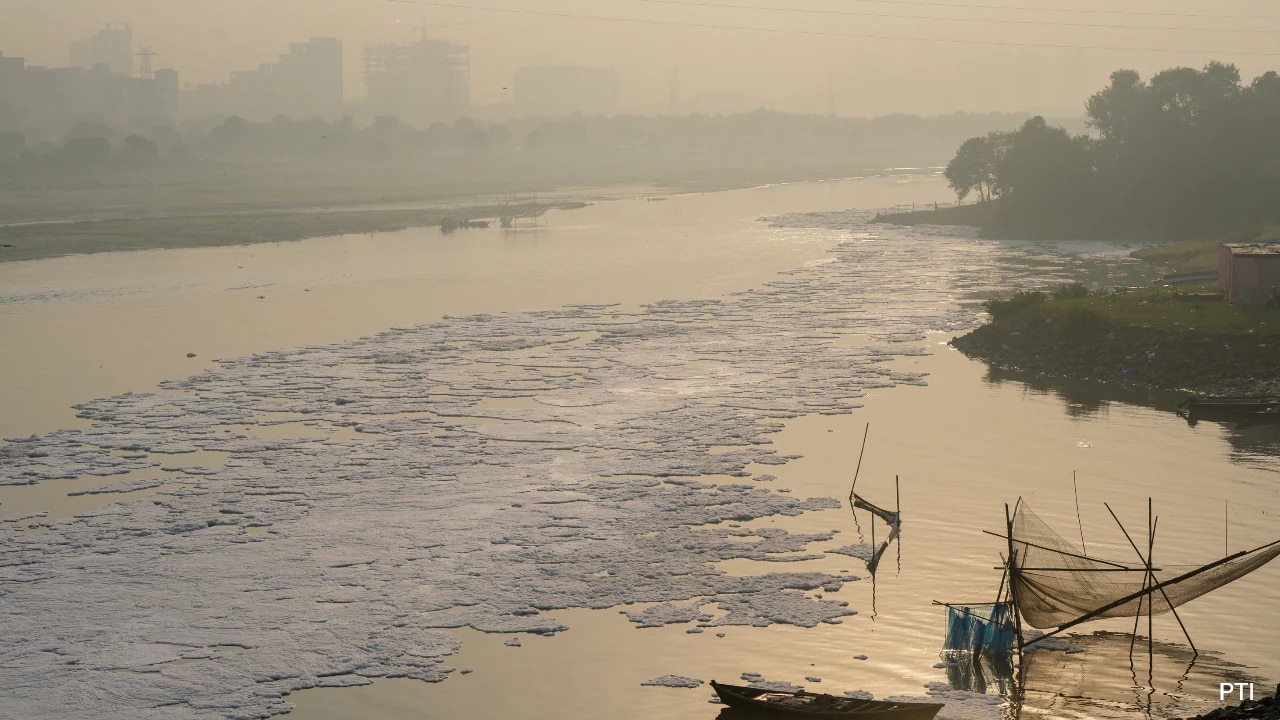
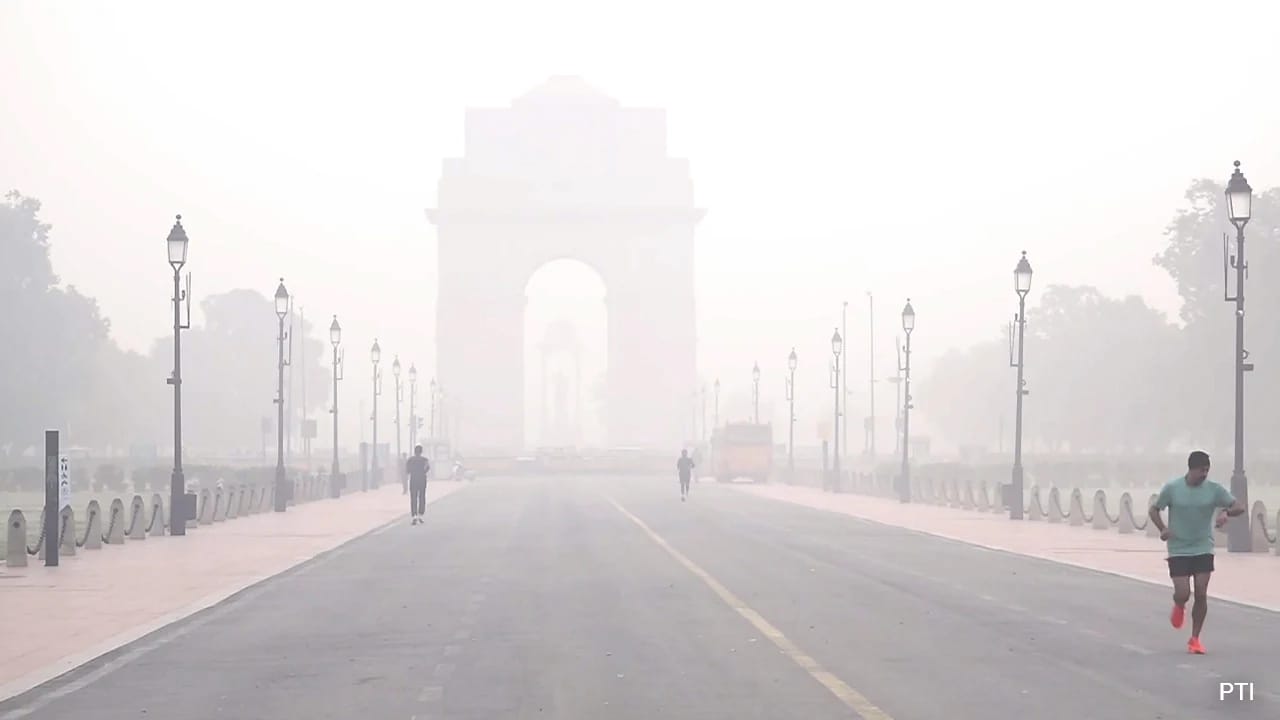
Delhi-NCR is dealing with two environmental problems at once. A thick layer of toxic white foam has reappeared on the Yamuna river near Kalindi Kunj, even as air quality across the region slipped into the "unhealthy" category, with the overall Air Quality Index (AQI) at 168.
Fine particulate matter — PM2.5 and PM10 — remained the dominant pollutants. Readings varied from station to station: PGDAV College in Sriniwaspuri recorded around 110, among the lowest in the city, while several other stations registered levels between 118 and more than 180.
On the scale cited in this assessment, a reading of 168 falls in the "unhealthy" band. India's national CPCB index classifies readings between 101 and 200 as "moderate", while noting that sensitive groups — children, the elderly and those with respiratory or cardiac conditions — should take precautions at these levels.
The deterioration prompted the Commission for Air Quality Management (CAQM) to invoke Stage 1 of the Graded Response Action Plan (GRAP) across Delhi-NCR on October 21. Under GRAP-1, the use of coal and firewood is banned in tandoors at hotels, restaurants and open-air eateries, and diesel generator use is restricted to essential or emergency purposes.
Visuals from Kalindi Kunj showed large stretches of the river's surface covered in white froth, underlining the persistence of pollution in the river.
Environmental experts have repeatedly linked such foam to a combination of phosphates from household detergents, industrial effluents and untreated sewage entering the river. Low flow during the drier months concentrates these pollutants, and turbulence at barrages — where water falls from one level to another — whips the mixture into froth. Surfactant-laden foam of this kind carries a high organic load and can irritate skin on contact.
The resurgence comes just days after Chief Minister Rekha Gupta highlighted her government's efforts to revive the river, describing the inauguration of infrastructure projects worth about Rs 9,000 crore as a "joyful day" for city residents.
Addressing the media on Thursday, the Chief Minister stressed the administration's long-term commitment to cleaning the river: "Today is a joyful day for the people of Delhi, as projects worth around Rs 9,000 crores have been inaugurated today. We can say that the way the government has started work for the rejuvenation of the River Yamuna, in one and a half years of tenure, we have continuously moved forward strongly in that direction."
"In just a few years, the Yamuna should be clean, flowing uninterrupted; we should be able to give this gift to the residents of Delhi; we stand by our resolve, and we are working day and night to fulfil it."
The Chief Minister noted that the latest investment follows projects worth Rs 9,000 crore to Rs 10,000 crore initiated last year, primarily aimed at Delhi's infrastructure and the rejuvenation of the Yamuna.
Yet the immediate images of thick chemical froth at Kalindi Kunj indicate the scale of the task that remains. Analysts and environmental groups have argued that lasting improvement depends on expanding sewage treatment capacity, intercepting drains that empty untreated waste into the river, and ensuring a minimum assured flow of water — measures whose results will be judged over years, not months.
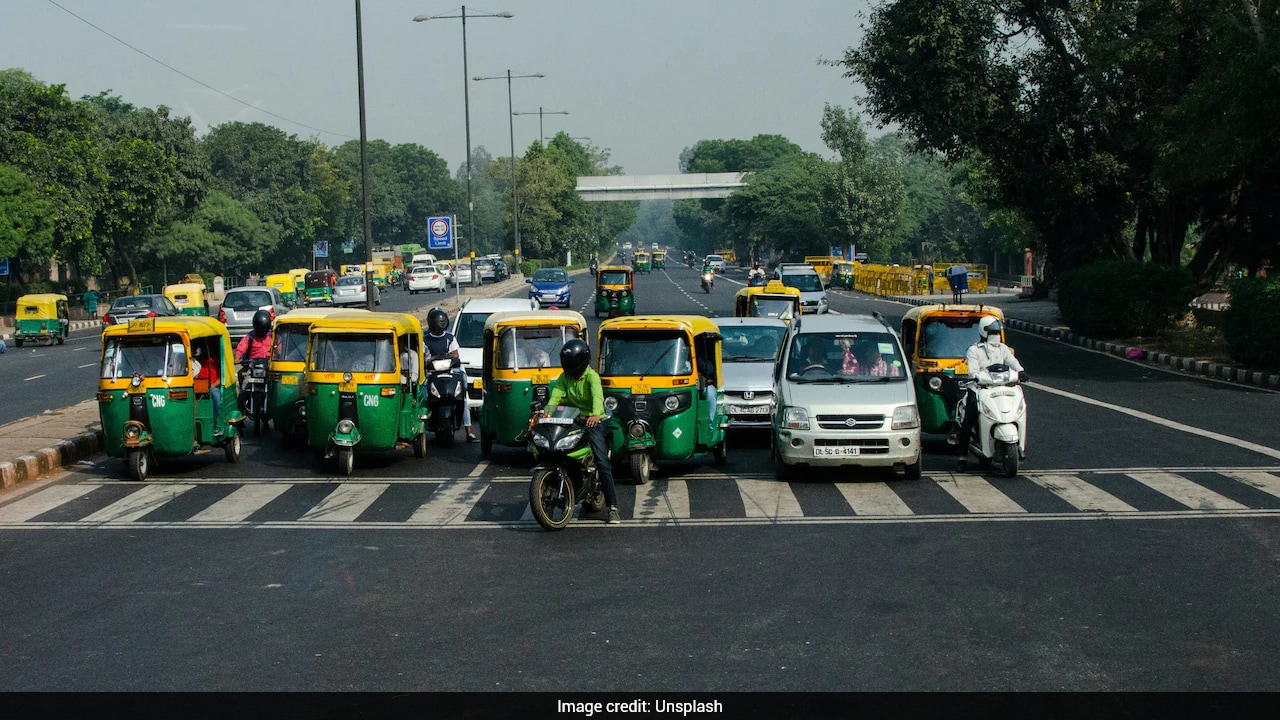
For residents, the immediate advisories are familiar: those with respiratory conditions are advised to limit outdoor exertion while air quality remains poor, and citizens are urged to report waste burning and construction dust to the authorities. The CAQM's graded plan allows for stricter measures if pollution levels worsen further.
The twin developments — foam on the river and foul air overhead — illustrate how Delhi's environmental challenges are interlinked, and how progress on one front can be quickly overshadowed by setbacks on another.