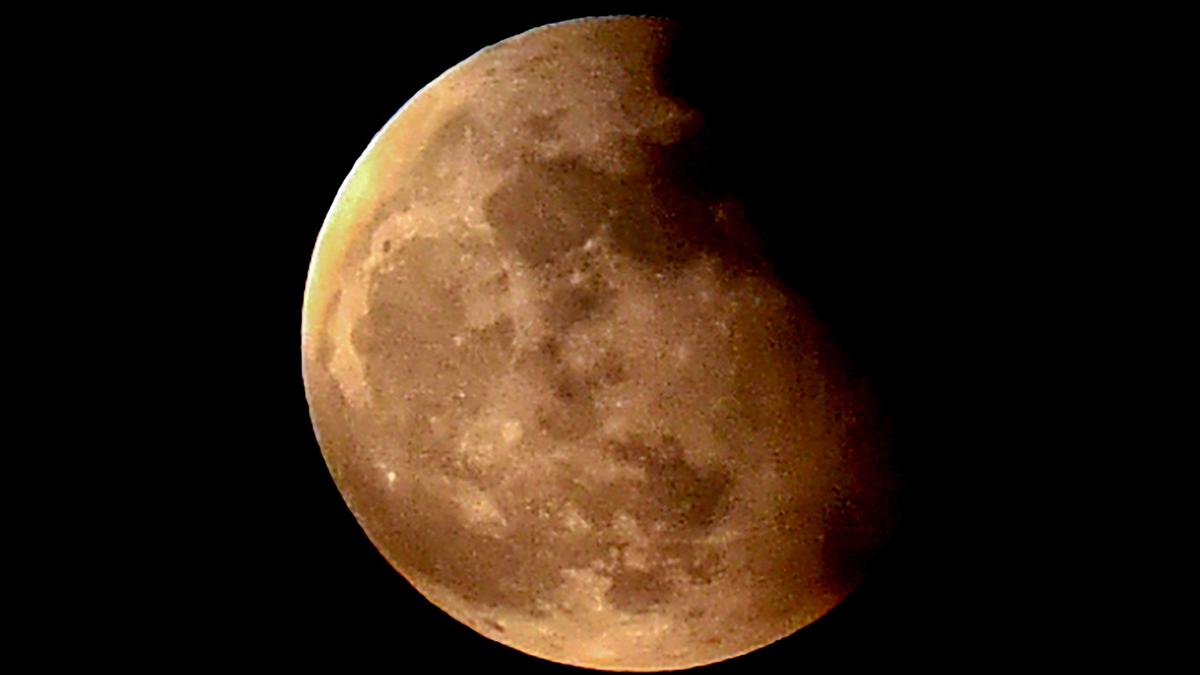
Did Van Gogh Paint 'The Starry Night' on July 22, 1889? New Study Offers a Date
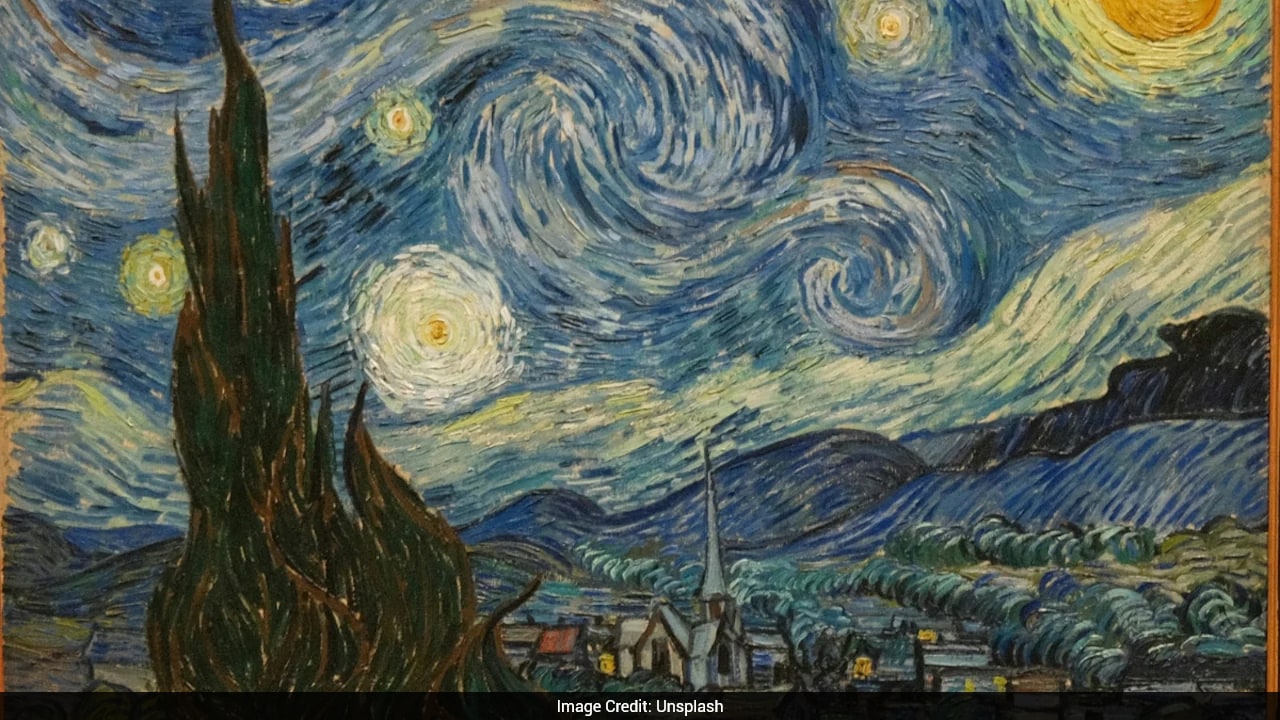
The sky in Vincent van Gogh's famous painting The Starry Night may reflect a real dawn rather than pure imagination, according to a new study by researchers at Kyung Hee University in Yongin, South Korea. The team suggests that the positions of the Moon, Venus and a group of stars in the painting appear to match the sky visible from the window of the asylum at Saint-Rémy-de-Provence in southern France, where the Dutch painter stayed in 1889.
The findings were published in the journal Scientific Reports. The researchers examined the painting and used astronomy software to reconstruct the dawn sky for a range of dates in June and July 1889. They then compared the positions and shapes of the celestial bodies in the artwork with the real sky, concentrating on three dates on which the Moon appeared above Venus, as it does in the painting.
Of those dates, July 22, 1889, appeared to be the closest match. The researchers found that the arrangement of the waning crescent Moon, Venus and the Hyades star cluster on that morning resembled the scene Van Gogh depicted.
The team also identified a ridge southwest of the asylum that matched an earlier sketch by Van Gogh. Elijah Jeong-hyun Kim, the study's first author and an astronomer at Kyung Hee University, said he had stood at the spot where Van Gogh is believed to have stood around 130 years earlier.
The study's authors noted that observation and imagination can exist together in the same artwork. They suggested that Van Gogh may have combined what he saw in the sky on different days and nights to compose the final painting. At the same time, they acknowledged that their findings were not conclusive.
The Van Gogh Museum in Amsterdam, which was not involved in the study, continues to hold that The Starry Night was painted in June 1889. According to the museum, the artist worked on a canvas delivered in early June and sent a sketch of the painting to his brother Theo on July 2 that year. The museum also notes that Van Gogh suffered a severe breakdown around July 22, which prevented him from painting for more than a month.
A museum spokesperson said Van Gogh was not concerned with creating exact copies of what he saw, and that the positions of the celestial bodies in the painting therefore cannot provide a reliable way to establish when it was made. The museum adds that the valley village shown in the work is imaginary and that Van Gogh is believed to have painted the picture during the day from his studio at the asylum.
The debate is not the first time scientists have turned their attention to the painting. In 2024, researchers reported that The Starry Night closely follows certain astronomical principles, and suggested that Van Gogh's bold brushstrokes appeared to reflect patterns of uneven air movement, known as turbulence, which can affect the appearance of the sky. The researchers described this as hidden turbulence in the artist's painting style.
The Starry Night remains one of the most widely reproduced works in Western art. The disagreement over its date illustrates the limits of using astronomy to pin down when a painting was made, and the difficulty of separating what an artist observed from what the artist imagined.