Lunar Eclipse on August 28, 2026: Timings and Where It Will Be Visible
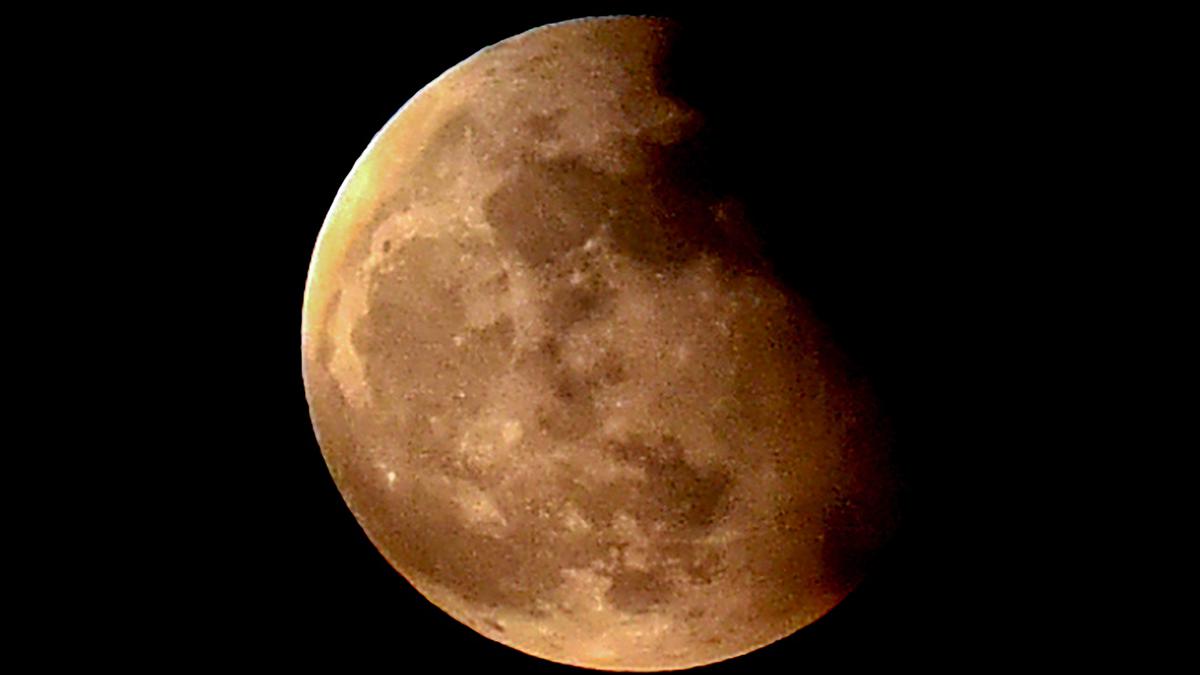
A deep partial lunar eclipse will occur on August 28, 2026, when the Earth's shadow covers about 96% of the Moon's surface. This alignment will give the celestial body a reddish hue, often referred to as a 'Blood Moon,' although the eclipse is not total. The event is expected to draw significant attention globally, especially as it coincides with the Hindu festival of Raksha Bandhan.
Lunar eclipses happen when the Earth passes directly between the Sun and the Moon, casting its shadow on the lunar surface. This can only occur during a full moon. There are three types of lunar eclipses: total, partial, and penumbral. In a total eclipse, the Moon moves entirely into the darkest part of Earth's shadow, known as the umbra, producing a deep red appearance. In a partial eclipse, only a portion of the Moon enters the umbra, while a penumbral eclipse is subtle and often difficult to observe with the naked eye.
For the August 28 event, the eclipse will begin at 6:53 a.m. and end at 12:32 p.m. Indian Standard Time (IST). The maximum eclipse, when the Moon is most covered by Earth's shadow, will occur at 9:43 a.m. IST. The schedule in IST is as follows:
Penumbral eclipse begins: 6:53 a.m.
Partial eclipse begins: 8:04 a.m.
Maximum eclipse: 9:43 a.m.
Partial eclipse ends: 11:22 a.m.
Penumbral eclipse ends: 12:32 p.m.
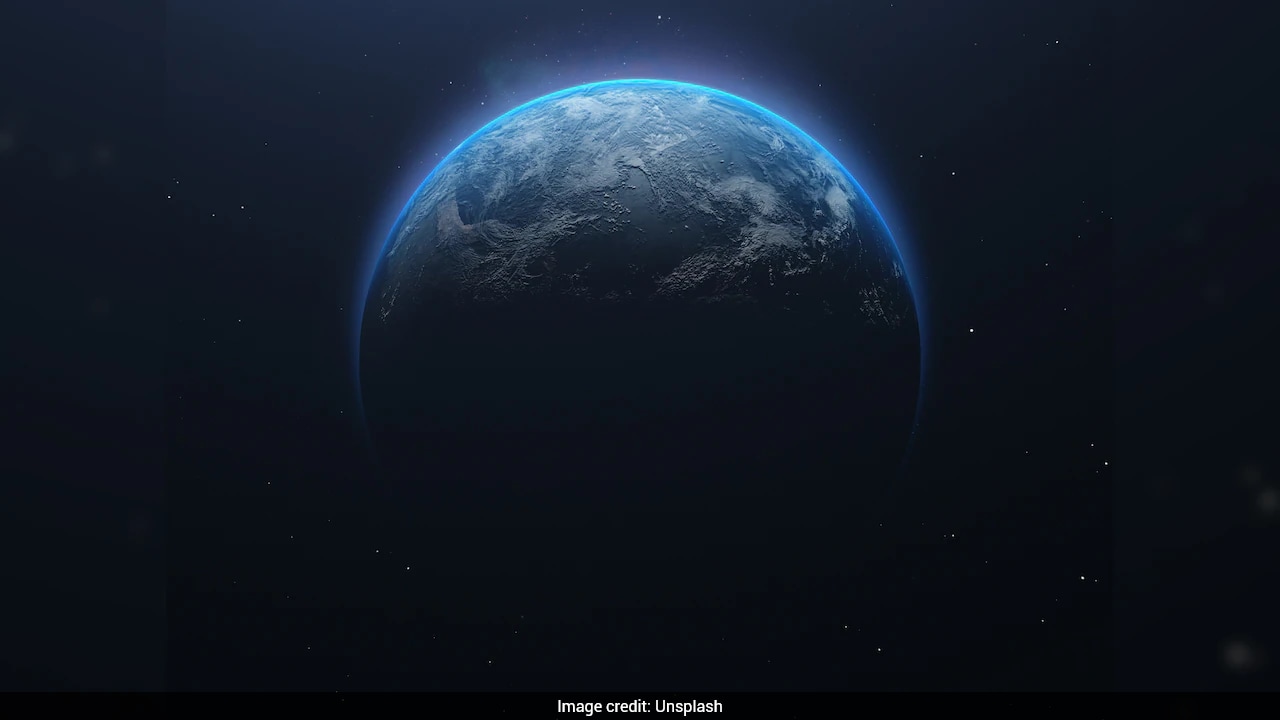
The eclipse will be fully visible from North and South America, where approximately one billion people can watch the entire event. Partial visibility will extend to parts of Europe, Africa, and West Asia, giving about 44% of the world's population a chance to observe it. However, the eclipse will not be visible from India because it occurs during daytime. It will also not be seen from Australia, Antarctica, and the Pacific Rim region for the same reason.
The reddish colour of the Moon during a lunar eclipse occurs because sunlight passing through Earth's atmosphere is refracted. Blue light is scattered away, while red light is bent toward the Moon, giving it a coppery or red appearance. This phenomenon only becomes noticeable when the Moon enters the umbral shadow.
Unlike solar eclipses, lunar eclipses are safe to view with the naked eye. No special protective equipment is needed. Observers in the visibility zones can simply look skyward to see the Moon's appearance change over the hours. Even in regions where the eclipse is partial, the gradual darkening can be a striking sight.
The eclipse coincides with Raksha Bandhan, a festival that celebrates the bond between brothers and sisters. This coincidence has sparked increased public interest, with many people searching for the timings and duration of the eclipse. While the event will not be visible in India, skywatchers in other parts of the world can look forward to a remarkable celestial display.