Delhi's air quality improves to 'moderate' after three days of 'poor' air

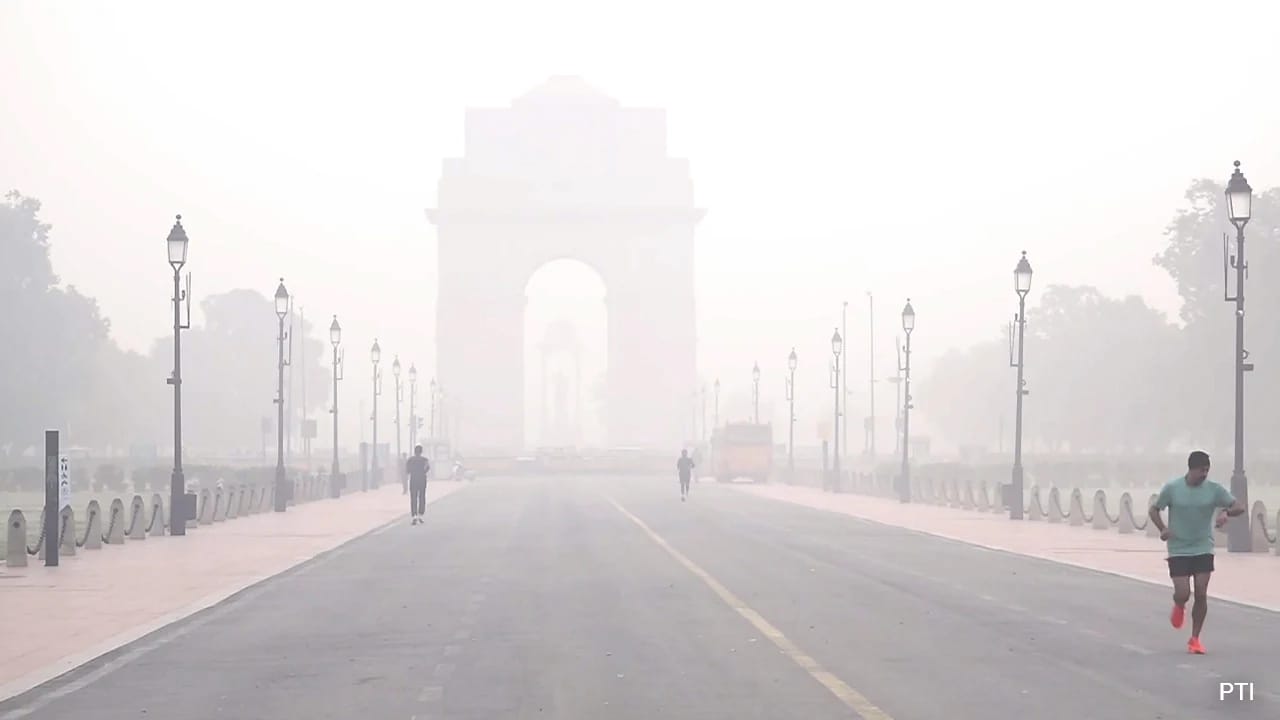
Delhi's air quality improved to the "moderate" category on Saturday morning, offering some respite to residents after three consecutive days of "poor" air.
The air quality index (AQI) stood at 185 at 9 a.m. on Saturday (October 24, 2026), according to data from the Central Pollution Control Board (CPCB). The 24-hour average was 230 — in the "poor" band — at 4 p.m. on Friday (October 23, 2026).
The AQI is a single number that reflects the concentration of pollutants in the air, with higher values indicating greater health concern. Under CPCB standards, an index of 0-50 is "good", 51-100 "satisfactory", 101-200 "moderate", 201-300 "poor", 301-400 "very poor" and 401-500 "severe". A reading in the "moderate" band means the air may cause breathing discomfort to people with asthma or heart conditions, and the CPCB advises such groups to reduce prolonged or heavy exertion outdoors when levels rise.
Saturday's improvement places the city roughly midway up the index scale, well below the "poor" readings recorded over the preceding three days but still short of the "satisfactory" threshold.
The city also recorded a slight dip in its minimum temperature. Safdarjung, the station that is representative of the city's weather, logged a minimum of 18.3 degrees Celsius — 1.1 degrees above normal, but 0.7 degrees lower than the previous day.
Other stations showed a similar marginal decline. Palam recorded a minimum of 17.6 degrees Celsius, 0.7 degrees less than the day before, while Lodhi Road recorded 17.6 degrees and Ayanagar 17 degrees.
The India Meteorological Department (IMD) has forecast partly cloudy skies over the next few days and expects the day's maximum temperature to settle between 32 and 34 degrees Celsius.
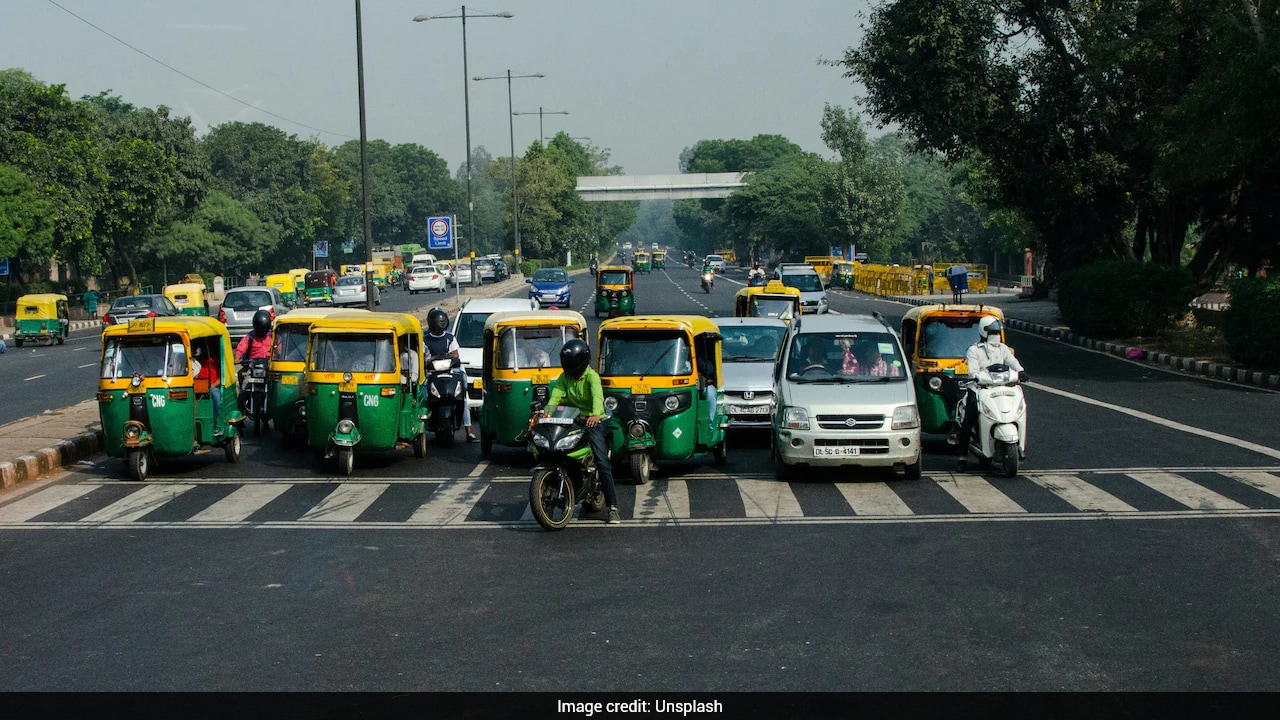
Air quality in Delhi and the surrounding National Capital Region typically deteriorates from late October onwards. As temperatures fall, lower wind speeds and a shallower mixing layer allow pollutants from vehicles, industry, construction and the burning of biomass to accumulate closer to the ground. The contribution of stubble burning in neighbouring agricultural states is also monitored by pollution agencies during this period.
Residents can track hourly and daily AQI readings through the CPCB and Delhi Pollution Control Committee dashboards. Those with respiratory or cardiac conditions are advised to follow official health guidance when pollution levels are elevated.