Sonam Wangchuk Hospitalised: The Medical Risks of Prolonged Fasting Explained
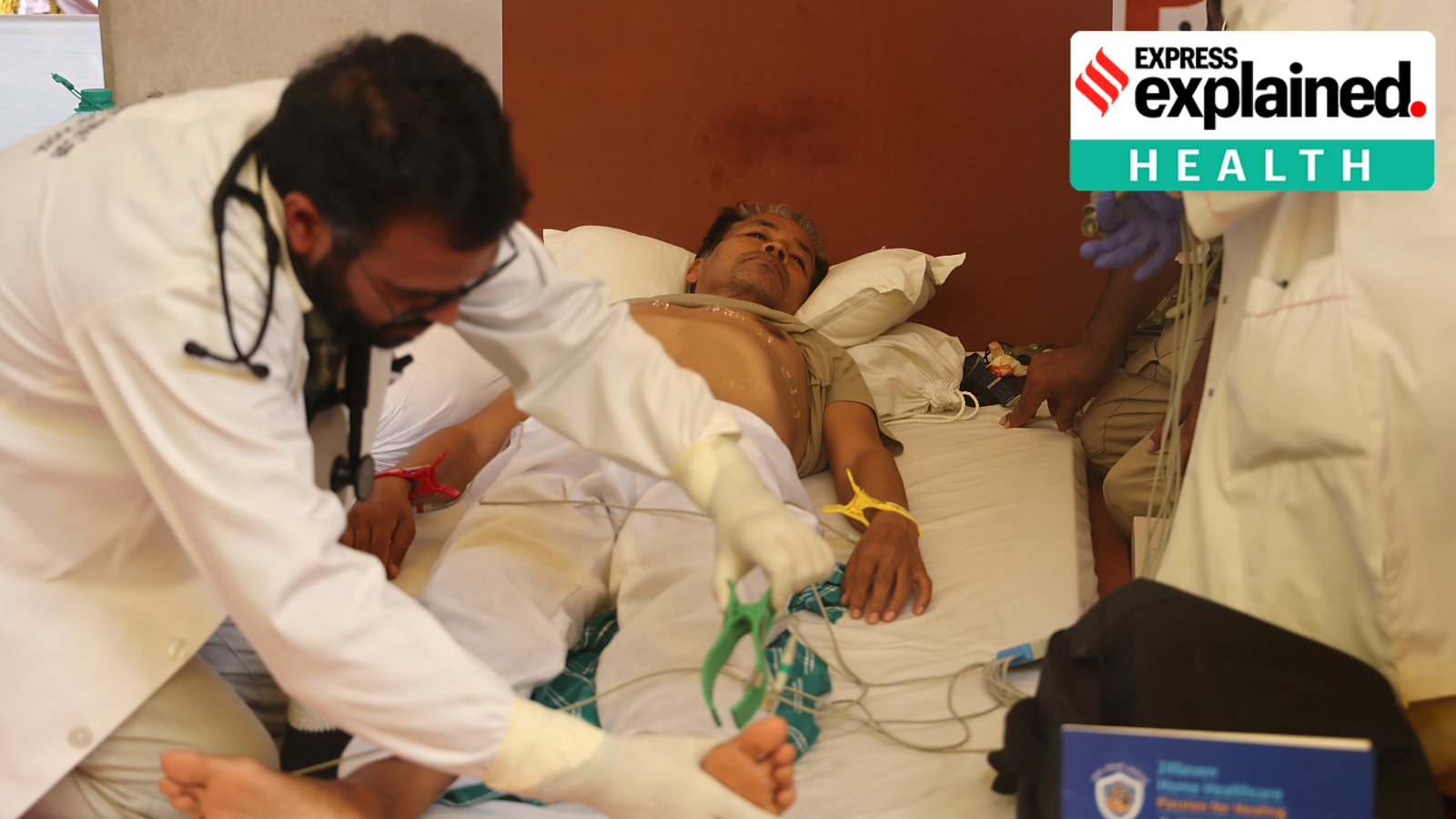
Ladakh-based activist Sonam Wangchuk was shifted to Safdarjung Hospital in Delhi on Saturday, the 21st day of his hunger strike. The Delhi Police acted on a Delhi High Court order that directed the Union and Delhi governments to monitor Wangchuk's health and intervene if necessary. Wangchuk is demanding reforms to the examination system and the resignation of Union Education Minister Dharmendra Pradhan over alleged paper leaks.
The hospital stated that Wangchuk was weak due to prolonged fasting and dehydration. 'Although he is currently stable, he requires continuous observation, monitoring and treatment to restore his body parameters,' the statement said. On Friday, his blood pressure was 108/68 mmHg, blood sugar 80 mg/dL, pulse 72 bpm, and oxygen saturation 96%. His weight dropped by 350 grams in 24 hours to 56.55 kg.
Medical experts explain how prolonged fasting affects the body. The first challenge is dehydration, which can lead to salt imbalances affecting all organ systems. Dr B K Tripathi, former head of medicine at Safdarjung Hospital, said, 'Dehydration can affect all organs, but malnutrition and lack of energy can cause these systems to slowly shut down.'
Lack of nutrition also causes a drop in blood pressure. The body initially uses stored glycogen for energy, leading to reduced blood sugar and insulin. This stage brings fatigue, headache, irritability, and dizziness.
After 10 days of fasting, the body continues to lose fat and breaks down muscle, including organ protein. Vitamin deficiencies develop, and the immune system may weaken. Risks include low blood pressure, fainting, heart rhythm abnormalities, gallstones, dehydration, and hormonal changes. Even if a person consumes electrolyte water, they do not get protein, essential fats, vitamins, and calories. Electrolytes help prevent sodium, potassium, or magnesium imbalances but do not prevent starvation. Over 20 days, a person may lose 8-15 kg.
A significant danger is starvation ketoacidosis. Dr Tripathi explained that when the body lacks calories, it breaks down protein reserves, producing ketones as a byproduct. This changes the body's pH, affecting various processes. 'The body produces so many ketones that they accumulate and make the blood acidic. This condition may turn fatal if not reversed quickly.'
Dr Hans Raj, former head of medicine at Delhi's Ram Manohar Lohia Hospital, said, 'Fasting for long durations slows all bodily and metabolic functions. Blood pressure falls, pulse rate falls, and kidney function deteriorates. Starvation ketoacidosis can occur, requiring immediate hospitalisation. Nutrition must be given through a nasal tube, hydration through IV fluids, and salts balanced urgently.'
Muscle loss continues despite ketosis, metabolism slows to conserve energy, and weakness increases. Nasal feeding tubes, when used properly, do not cause complications.