Supreme Court Takes Action After Delay in Life-Saving Drug Case, Patient Dies
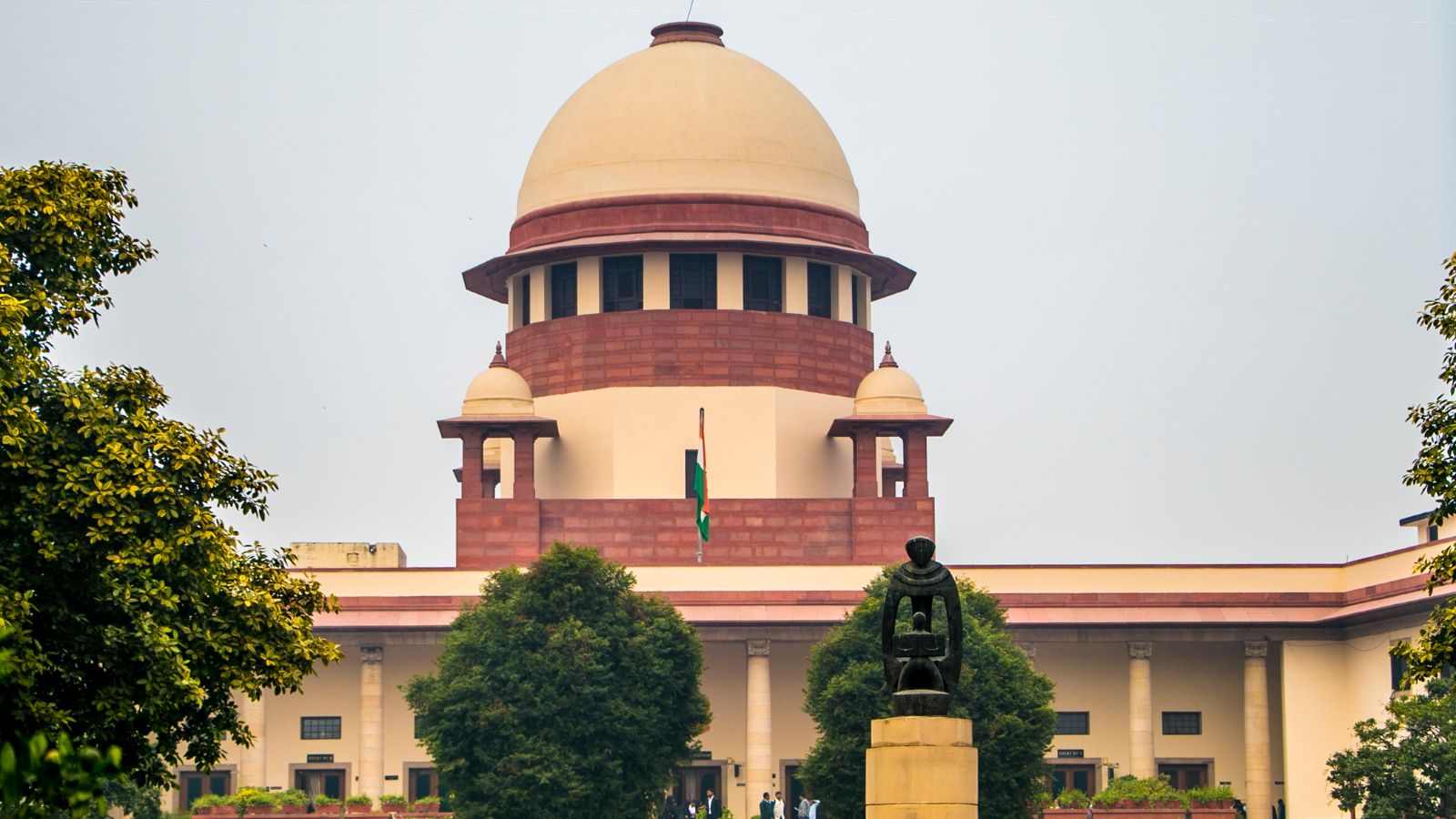
The Supreme Court on Friday took suo motu cognizance of delays in cases involving access to life-saving drugs after a pending matter in the Kerala High Court over a breast cancer drug came to its notice. The original petitioner, a breast cancer patient, had died during the pendency of the proceedings.
The case, 'In Re: Access to Life Saving Medicines and Judicial Expediency in Article 21 Matters', was heard by a bench headed by Justice Surya Kant, along with Justices Joymalya Bagchi and V Mohana. The bench referred to the Kerala High Court proceedings on Ribociclib, a patented medicine used in the treatment of HR-positive, HER2-negative breast cancer, which had been listed 57 times without reaching a conclusion.
The High Court had earlier expanded the scope of the matter and converted it into a suo motu public interest litigation (PIL) concerning the pricing and accessibility of life-saving medicines. The Supreme Court noted the delay and directed the Kerala High Court to take up its pending suo motu proceedings at the earliest. The court said that once the High Court decodes the matter and issues directions, those may be followed on a pan-India basis.
The Supreme Court also said it will issue notice in the case, indicating that it intends to examine the broader issue of judicial expediency in matters involving the right to life under Article 21 of the Constitution. The court emphasized the importance of timely access to life-saving drugs, especially for patients with critical conditions.
This case highlights the systemic challenges in the Indian judiciary where cases can languish for years, sometimes leading to the death of petitioners before they receive justice. The Supreme Court's intervention aims to ensure that such delays do not undermine the fundamental right to health and life.