Skyroot's Vikram-1 Successfully Launches, Becoming India's First Private Orbital Rocket
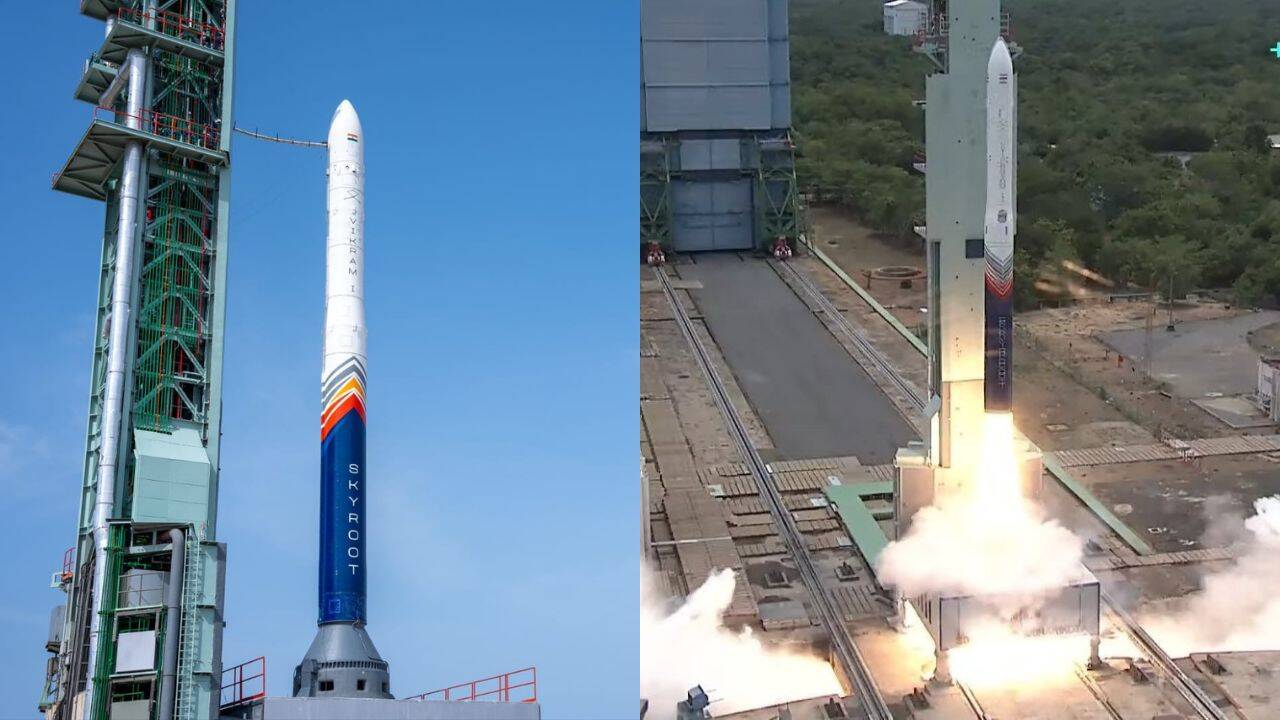
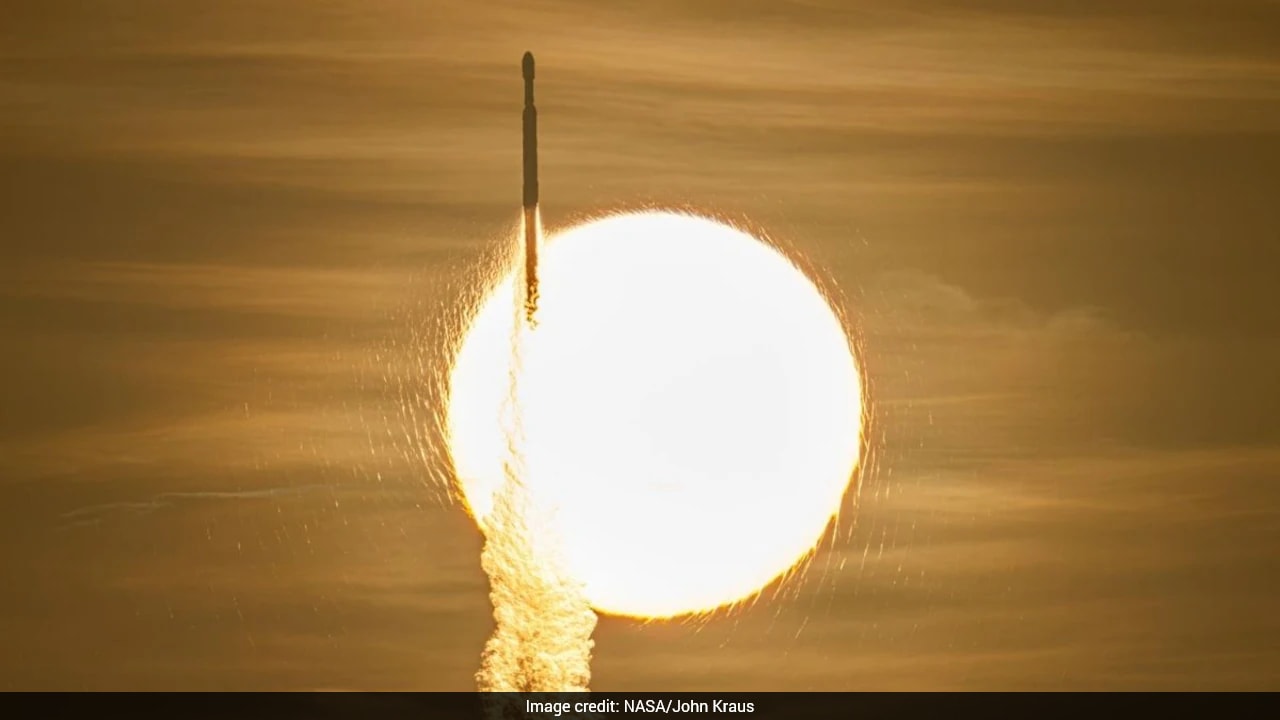
Skyroot Aerospace's Vikram-1 rocket lifted off from Sriharikota on Saturday, successfully placing payloads into low Earth orbit (LEO). This marks the first time a privately developed orbital-class launch vehicle has achieved orbit from Indian soil.
The Hyderabad-based startup, founded in 2018, launched six payloads to an altitude of 450 km. The mission crossed the Kármán line, the boundary of space at 100 km, and achieved the requisite orbital velocity. Previously, only two Indian startups—Skyroot and Agnikul Cosmos—had launched suborbital rockets, which cross the Kármán line but lack the speed to remain in orbit.
Low Earth orbit is strategically important for Earth observation, remote sensing, and defence surveillance satellites. With the success of Vikram-1, Skyroot aims to serve the growing demand for small satellite launches from Indian private companies, government agencies, and the military. The Indian Space Research Organisation (ISRO) remains occupied with major programmes such as Chandrayaan, Gaganyaan, and the Bharatiya Antariksh Station, leaving room for private players to fill the gap.
The global commercial satellite launch market is valued between $8.65 billion and $12.1 billion, with SpaceX controlling 80-85% of capacity. India's current share is less than 2%. The government's Rs 27,000-crore Space-Based Surveillance-III programme plans to deploy a 52-satellite military grid by 2029, with 31 satellites built by domestic private companies.
Lt Gen AK Bhatt (retd), director general of the Indian Space Association (ISpA), called the launch a defining milestone, stating that it demonstrates the domestic industry's ability to handle end-to-end space missions. He noted that the success will encourage other startups to accelerate their orbital rocket programmes.
Skyroot's Vikram-1 is a four-stage rocket designed for small satellite launches. With more test flights, it is expected to become a commercial launcher alongside ISRO's PSLV, GSLV, LVM, and SSLV rockets.