New study reveals hidden debris cloud in vital geostationary orbit, raising collision risks
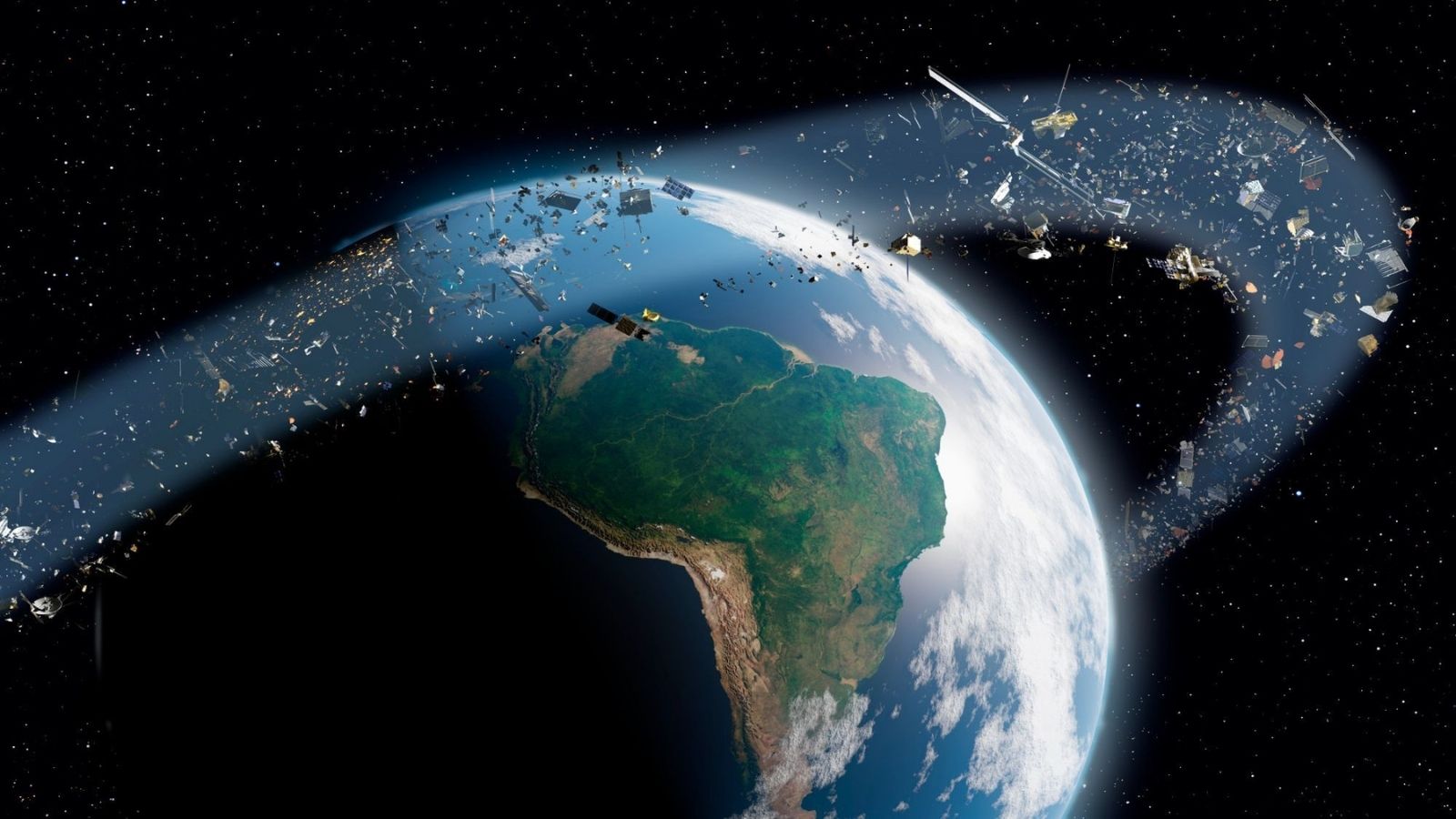
Researchers at the University of Warwick in the United Kingdom have uncovered a previously undetected cloud of small space debris in geostationary orbit, a critical region for many satellites used in communications, weather monitoring, and broadcasting. The findings, published in the Journal of Astronautical Sciences, indicate that this orbital zone contains far more fragments than earlier surveys had identified.
The study used advanced image-processing algorithms to reprocess older telescope observations, revealing debris as small as 5 centimetres in size. While these fragments are tiny, their high speeds — over 3 kilometres per second at that altitude — mean they could damage or disable active spacecraft upon collision.
Geostationary orbit lies about 36,000 kilometres above the equator, where satellites travel at the same rotational speed as Earth, allowing them to remain fixed over a single geographic point. This unique property makes it highly valuable for services that need constant coverage, including television broadcasts, internet connectivity, and real-time weather data.
The discovery of a denser debris population than expected raises concerns for satellite operators. Even small pieces can cause significant damage due to the immense kinetic energy involved. The researchers stress the need for better monitoring and potentially new guidelines for operating in that orbit to avoid collisions.
Space debris management is a growing global challenge. The number of satellites in orbit is increasing, particularly with large constellations like Starlink. International cooperation and adherence to mitigation guidelines, such as those from the Inter-Agency Space Debris Coordination Committee, are essential to preserving the long-term sustainability of space activities.
The findings underscore the importance of continued surveillance and research into debris populations. Improved detection methods can help refine risk models and inform collision avoidance manoeuvres. As human reliance on space-based services deepens, maintaining the safety of orbital environments becomes ever more critical.