Skyroot Aerospace's Vikram-1 Launch Halted Seconds Before Liftoff: Planned Hold
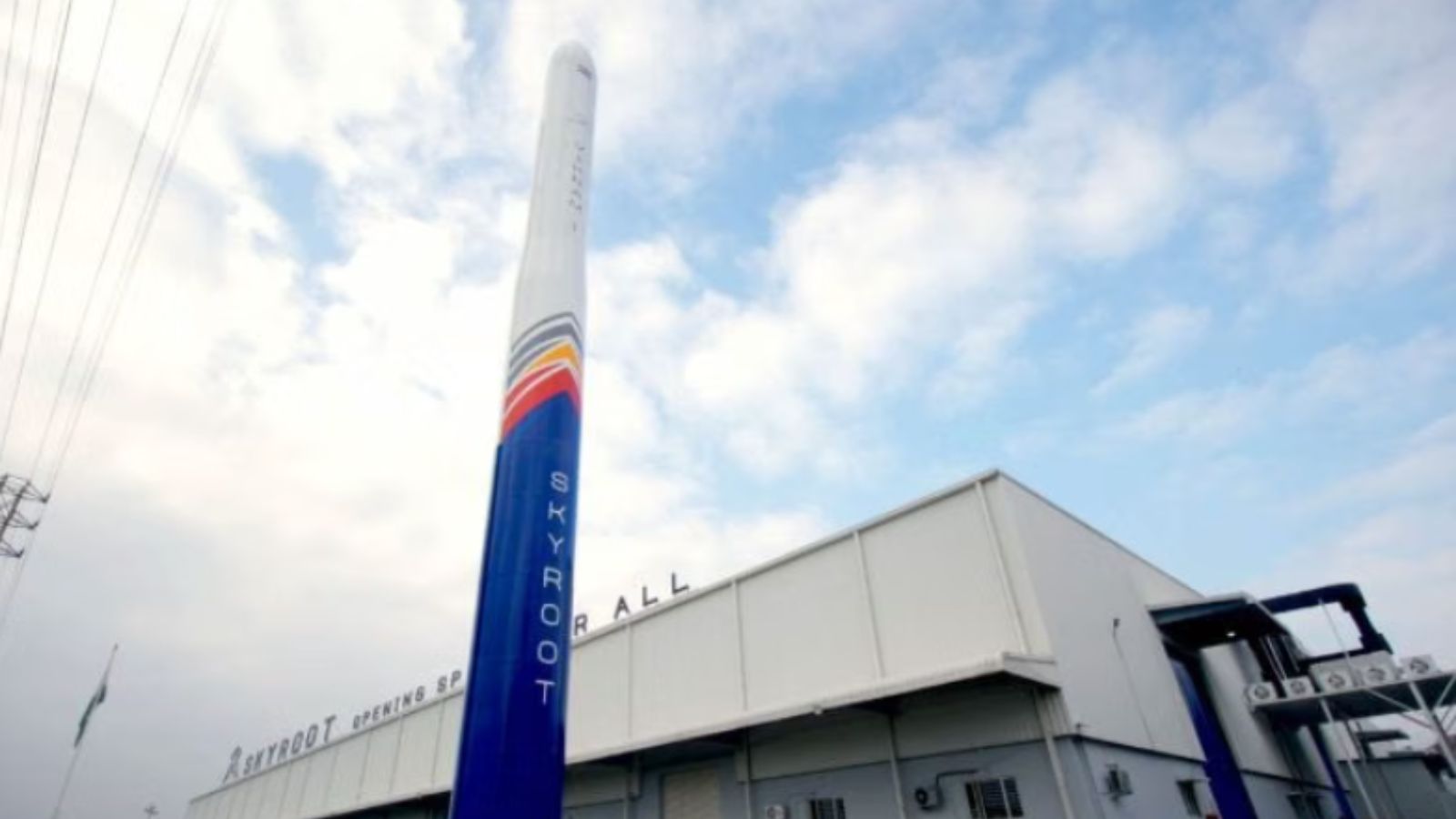
Hyderabad-based Skyroot Aerospace on Saturday attempted the launch of Vikram-1, India's first privately developed orbital-class rocket, from the Satish Dhawan Space Centre in Sriharikota, Andhra Pradesh. The mission, named 'Aagaman', was intended to be the first flight of the Vikram-1 rocket.
The lift-off was initially scheduled for 11:30 AM but was delayed. Skyroot stated that all pre-flight tests conducted overnight and the weather conditions on Saturday morning were cleared. The automatic launch sequence began at T-12 minutes but was halted at T-4:59 minutes. The company described this as a 'planned hold', indicating a deliberate pause in the countdown.
The primary objective of the mission is to validate the performance of the Vikram-1 rocket and its key technologies during flight. Skyroot has said that data generated from this test will be used to refine future missions and help establish a regular launch cadence.
The Vikram-1 is a three-stage, solid-fuel rocket capable of carrying up to 300 kilograms to a low Earth orbit. It is named after Dr. Vikram Sarabhai, the father of India's space programme. The rocket's launch was seen as a significant milestone for India's private space sector, which has been growing since the government opened the sector to private players in 2020.
Skyroot Aerospace, founded in 2018, is one of several Indian startups working on small satellite launch vehicles. The company had previously conducted a suborbital test flight of a smaller rocket, Vikram-S, in November 2022.
No new launch date has been announced as of now. The company is expected to review the hold and provide further updates.