Astronomers Confirm Atmosphere on Rocky Exoplanet in Habitable Zone
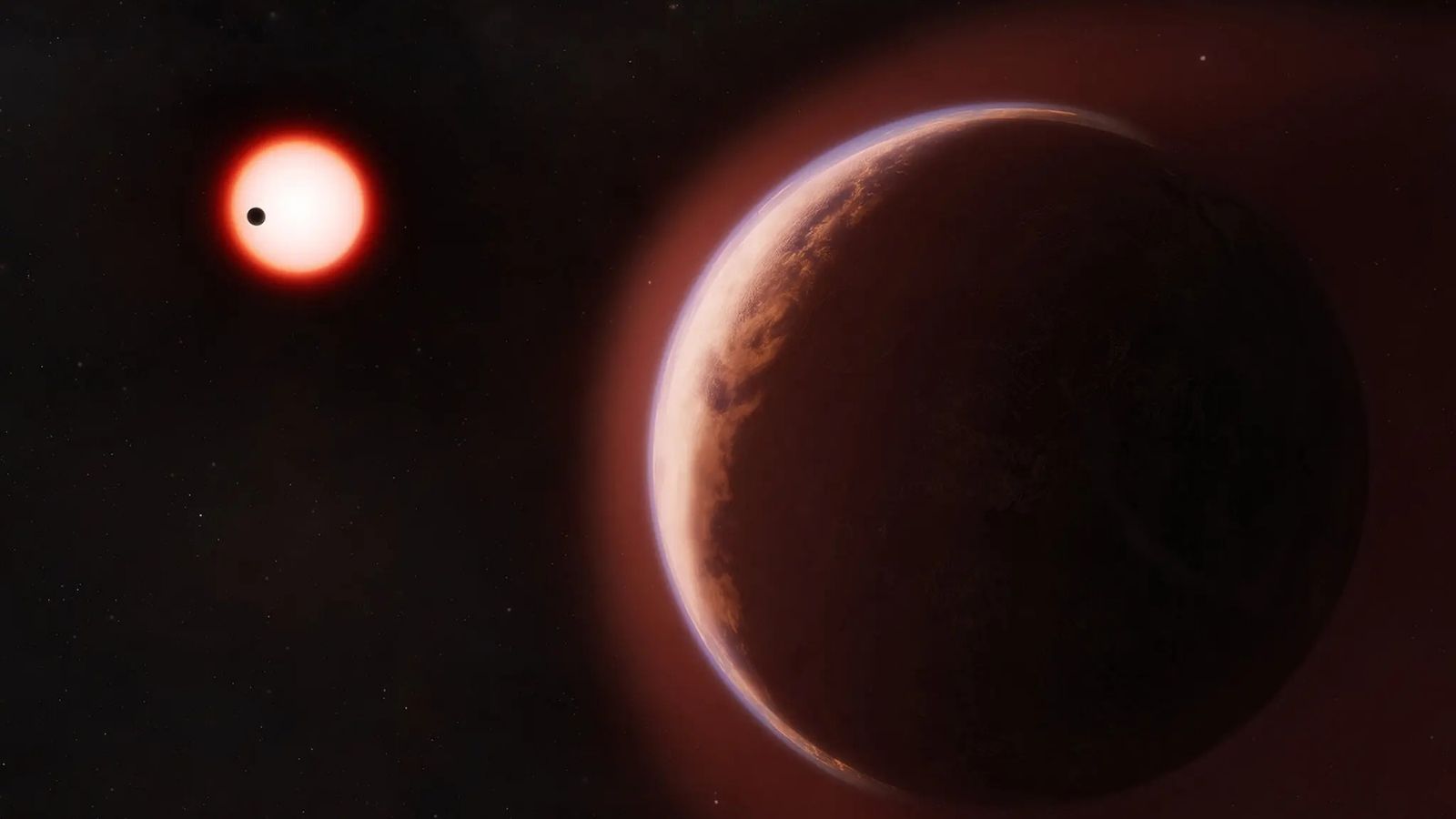
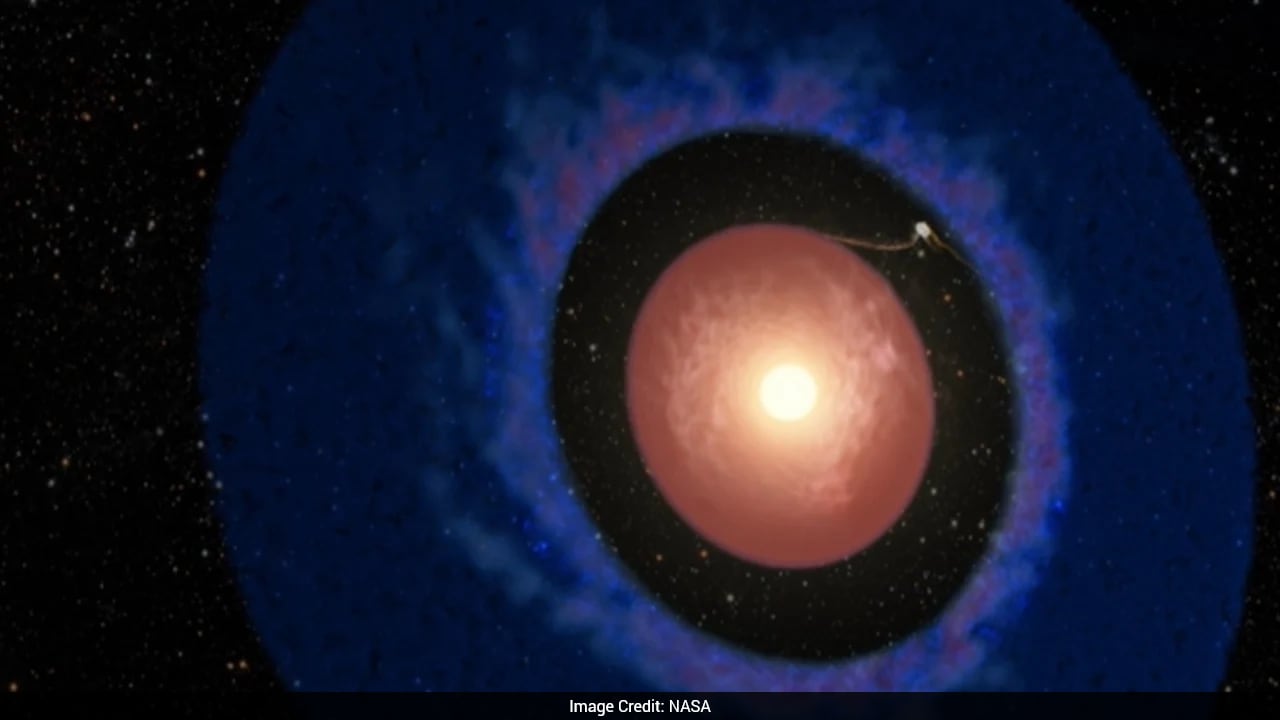
Astronomers have confirmed the presence of an atmosphere around a rocky planet located 49 light-years from Earth, marking a significant step in the search for habitable worlds beyond our solar system. The planet, named LHS 1140b, orbits within the habitable zone of its red dwarf star, where temperatures could allow liquid water to exist on its surface.
The discovery, published in the journal Science on July 16, is the first confirmed detection of an atmosphere on a rocky planet considered potentially suitable for life. While researchers stress there is no evidence of life itself, the finding indicates that the planet possesses several key ingredients thought necessary for habitability.
LHS 1140b was first discovered in 2017 by the MEarth project, which searches for exoplanets using the transit method. Its size and mass suggest it is a rocky world, similar in composition to Earth but slightly larger. The atmosphere was detected using the James Webb Space Telescope, which analysed the light from the star as it passed through the planet's atmosphere during a transit. The data revealed spectral signatures indicating the presence of gases, though the exact composition has not yet been determined.
Lead author Dr. Maria Zuluaga of the Harvard-Smithsonian Center for Astrophysics explained: "This is the clearest evidence we have that a rocky exoplanet in the habitable zone can retain an atmosphere. It doesn't tell us that the planet is habitable, but it makes it a very strong candidate for further study."
The discovery is considered a milestone in exoplanet research because previous atmospheric detections had been limited to gas giants or larger planets. Rocky planets, especially those in the habitable zone, are smaller and have thinner atmospheres, making them much harder to study. The success with LHS 1140b suggests that the James Webb Space Telescope is capable of characterising atmospheres of potentially Earth-like worlds.
Future observations are planned to determine the exact composition of LHS 1140b's atmosphere, including the possible presence of water vapour, carbon dioxide, and methane — molecules that are often associated with biological processes. However, scientists caution that these gases can also be produced by geological activity.
The planet receives about half the starlight that Earth gets from the Sun, placing it on the cooler edge of the habitable zone. Its red dwarf star is smaller and dimmer than the Sun, and such stars are known to produce frequent flares that could strip away a planet's atmosphere. The fact that LHS 1140b has retained an atmosphere despite this activity is an encouraging sign for the habitability of planets around red dwarfs, which are the most common type of star in the galaxy.
Dr. Zuluaga added: "We are at the beginning of a new era in exoplanet science. This detection shows that we can now investigate the atmospheres of small, rocky worlds and ask questions about their potential to host life."