Punjab Congress infighting escalates ahead of 2027 polls; Rahul Gandhi steps in
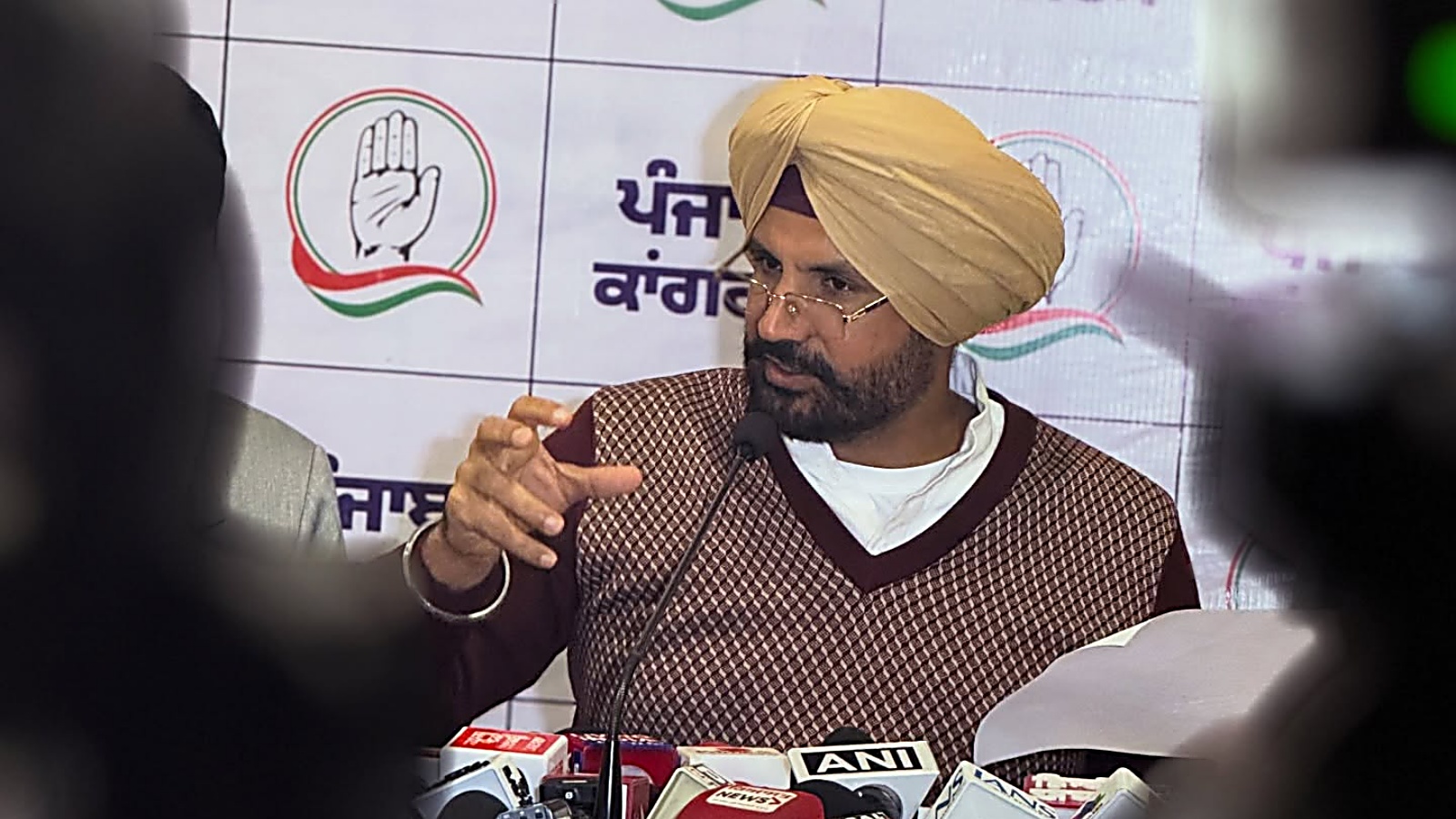
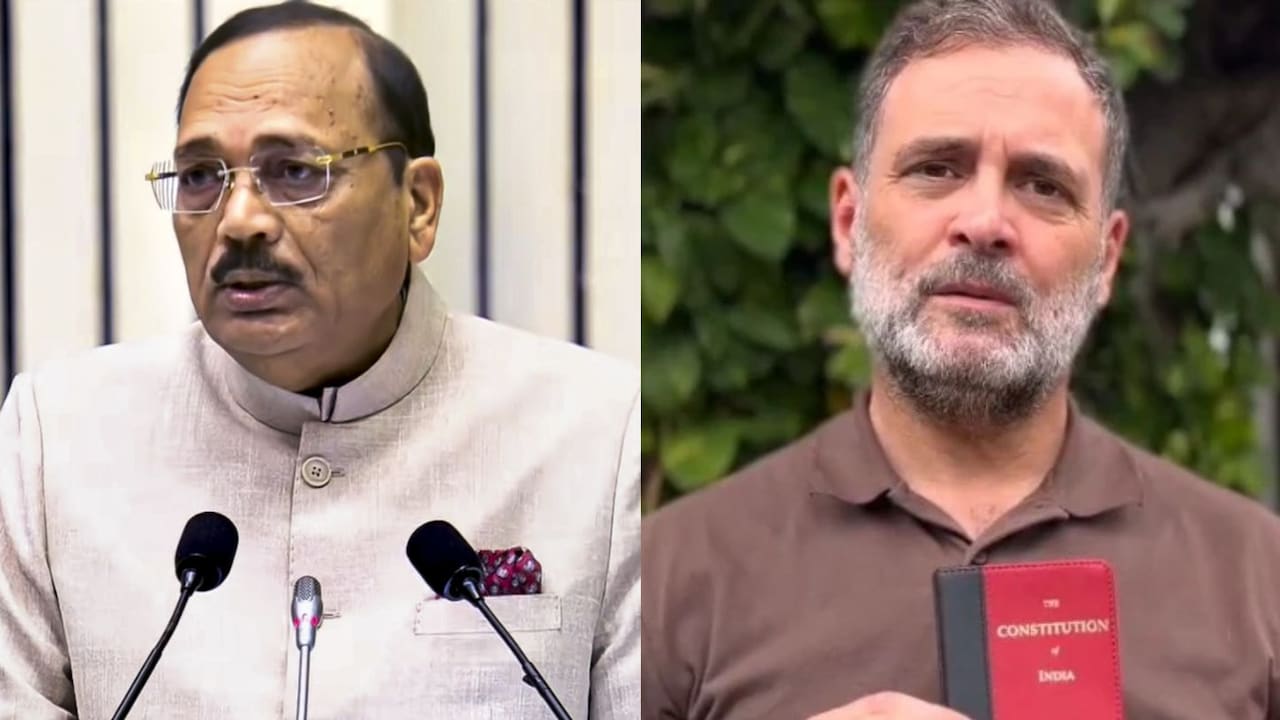
Senior leaders of the Indian National Congress in Delhi are closely monitoring developments in the Punjab Pradesh Congress Committee (PPCC) as factional feuds threaten to undermine the party's prospects in the 2027 Assembly elections. Rahul Gandhi, who returned from abroad on Tuesday, reportedly met party president Mallikarjun Kharge to address the escalating internal strife in the state unit.
Gandhi and Kharge summoned Bhupesh Baghel, the All India Congress Committee (AICC) in-charge for Punjab, to Delhi. Baghel spent the past few days in the state meeting various leaders to assess the situation. He is scheduled to meet the top leadership on Wednesday to discuss a way forward. AICC general secretary (organisation) K C Venugopal was also present at the meeting held at Kharge’s residence.
Baghel submitted a detailed report to the party leadership, highlighting the ground situation, particularly the firm stance of former chief minister Charanjit Singh Channi and Sukhjinder Singh Randhawa against the current PPCC president, Amrinder Singh Raja Warring. Speculation is rife about a possible leadership change, with sources suggesting Warring may consider stepping down.
The infighting intensified after the Congress leadership in Delhi announced in July that Warring would retain the post of PPCC president while appointing Channi as chairperson of the campaign committee. This move, intended to project unity, instead triggered fresh rifts. Factions loyal to Channi and other disgruntled leaders, such as Randhawa, expressed strong reservations about continuing under Warring's leadership.
Allegations have also surfaced that Warring and his wife Amrita have focused narrowly on their respective constituencies. Warring has been touring the interiors of Muktsar, holding meetings in his stronghold of the Gidderbaha Assembly constituency, while Amrita has been active in the Ludhiana parliamentary constituency represented by her husband. She recently visited a government primary school in the city that lacks a power connection and holds five classes in one room.
Downplaying the crisis, Baghel said on Monday that the Congress has “only one face in Punjab, and that is Shri Rahul Gandhi Ji,” indicating the party may not project a separate chief ministerial face for the elections. After Baghel failed to secure a truce between the Channi and Warring factions, the ball is now in the court of the party high command.
Dissident leaders made it clear during their meeting with Baghel last Saturday that they would settle for nothing less than Warring's removal as state Congress chief. Baghel, however, took a tough stance, stating, “Leadership change is not ‘gudda-guddi ka khel’ (a child’s play), and the decision taken at the highest level is not withdrawn.”
The turmoil echoes past patterns in the Punjab Congress. Channi met several senior figures recently to voice dissatisfaction with Warring's leadership. Randhawa reportedly referred to “compromised leaders” in veiled criticisms, prompting sharp responses from Warring, who insisted there is no room for such elements and that differences would be resolved.
According to sources, Gandhi is willing to hear the views of Punjab leaders and is keen to quell the “rebellion” within the state unit at the earliest. The party leadership is concerned that the Congress cannot head into the Assembly polls with continuing infighting. Gandhi had earlier urged state leaders to fight collectively, describing Punjab as a state with a “very good chance” for the Congress. However, critics within and outside the party say the high command’s delayed intervention allowed fissures to widen.
Opposition parties have seized the opportunity. BJP leaders mocked the situation, questioning Rahul Gandhi’s availability and accusing the Congress of failing to manage internal democracy.