Punjab & Haryana High Court: Violent protest alone does not amount to sedition
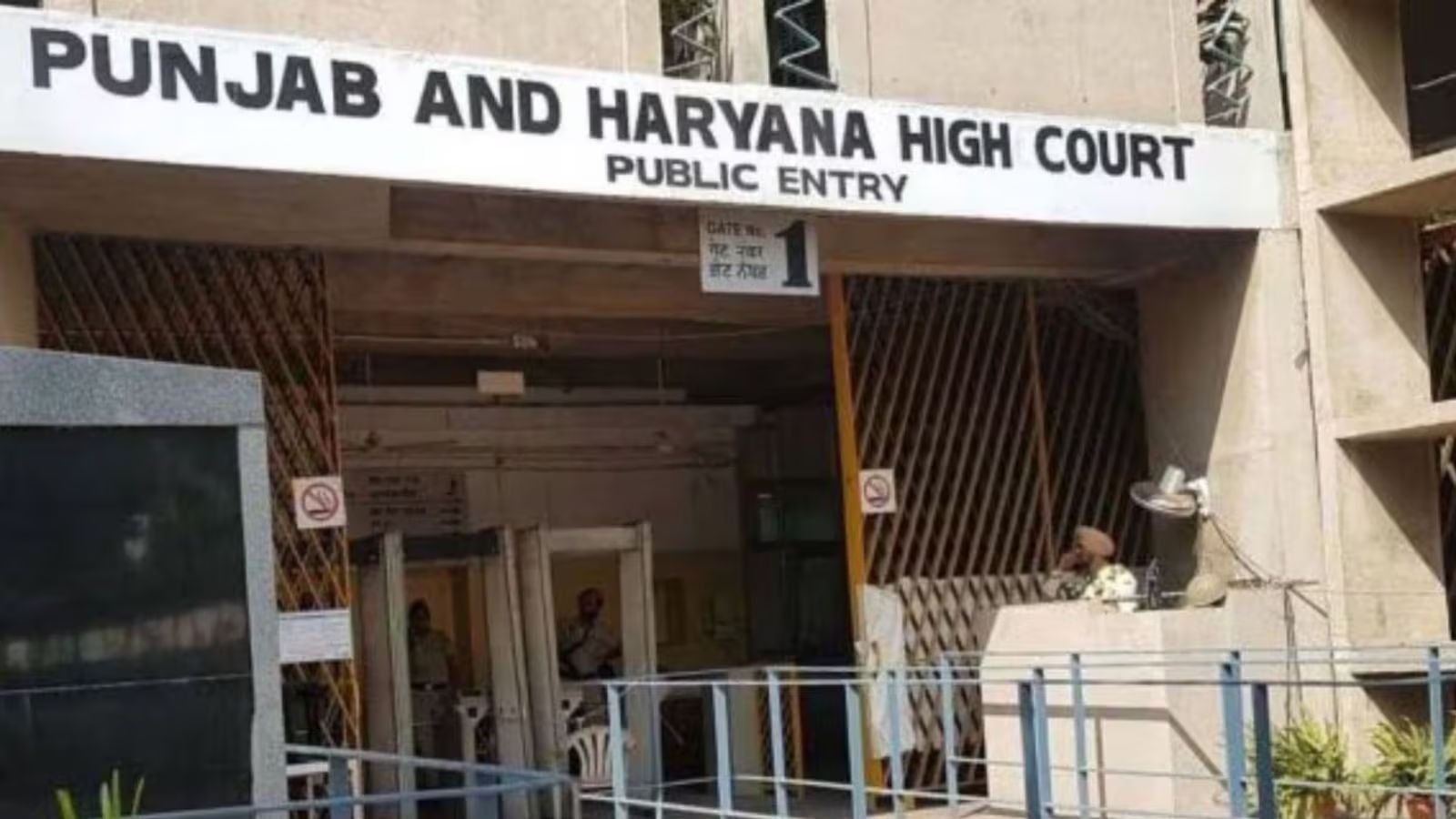
The Punjab and Haryana High Court has ruled that mere participation in a violent protest or raising slogans against the government does not constitute sedition in a democracy. The observation came as the court upheld the acquittal of four men accused of vandalising and setting fire to an electricity office in Kaithal, Haryana, during violence that followed the 2017 conviction of Dera Sacha Sauda chief Gurmeet Ram Rahim Singh in a rape case.
A bench of Justices Vinod S. Bhardwaj and Sukhvinder Kaur stated: “A violent protest may amount to rioting but such action of violence would not be perceived as an act of bringing in hatred or contempt against Government. A sloganeering against the Government or wings of governance, in an elected democracy, would not be sufficient to slap charges of sedition against its citizens. A frustration or dis-satisfaction or even outrage is not a disaffection or hatred.”
The court dismissed the state of Haryana’s appeal against a trial court verdict from September 23, 2019, which had acquitted the accused of offences under Section 124-A (sedition), 188, 427, 436 and 450 of the Indian Penal Code, as well as provisions of the Prevention of Damage to Public Property Act.
According to the prosecution, on August 25, 2017, a mob of 14-15 people armed with lathis, gandasis and petrol bottles attacked the Uttar Haryana Bijli Vitran Nigam office in Kalayat. They allegedly damaged computers, furniture and other public property, and set the premises on fire while raising slogans in support of Ram Rahim after his conviction.
The trial court in Kaithal had acquitted the accused, recording that the state failed to prove its case. In the high court, the state contended that there was clear oral and documentary evidence establishing the accused’s involvement. Senior Deputy Advocate General Paras Talwar argued that the trial court “is not expected to adopt a hyper-technical approach or undertake a microscopic examination of every minor discrepancy solely to discard an otherwise credible prosecution case.”
However, the high court rejected the state’s challenge. It noted that despite being asked to point out specific evidence undermining the trial court’s findings, the state failed to do so. The bench observed that none of the prosecution witnesses named the respondent-accused in the FIR, and that the witnesses could not prove the presence of the accused at the scene. It also found that the implication of one accused rested solely on the disclosure statement of a co-accused, which was inadmissible as it was a confession made in police custody without any discovery flowing from it.
The court further noted serious inconsistencies, including the absence of a test identification parade despite the witnesses being strangers to the accused. It said the omission “assumes considerable significance and materially weakens the prosecution case.”
Senior advocate Hemant Bassi, representing the accused, argued that the state’s claims were vague and generic, and that the acquittal represented a plausible and legally sustainable view. The high court agreed, upholding the trial court’s decision.