Netanyahu Calls for End to Israel's Reliance on US Weapons Amid Iran Deal Tensions
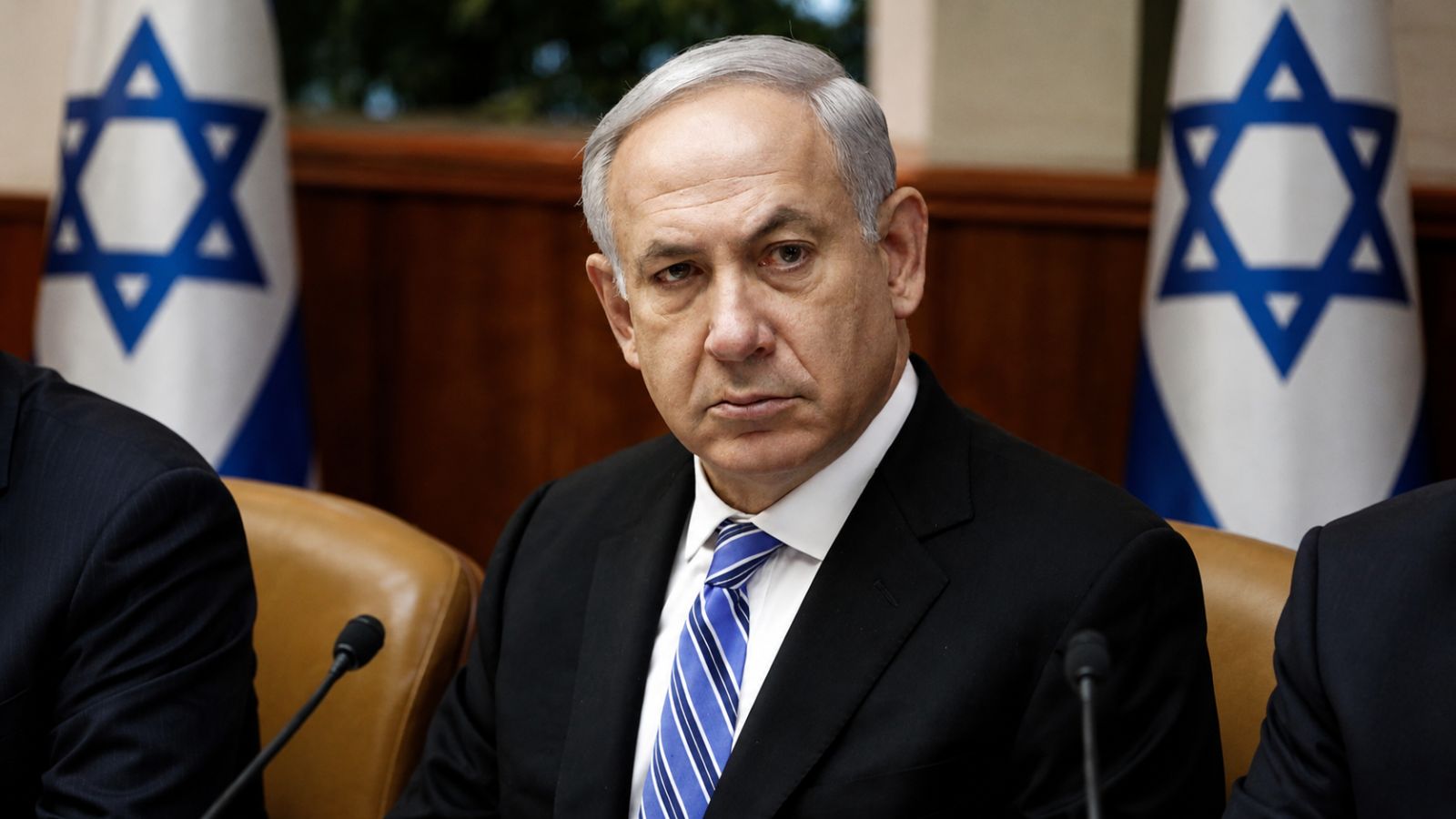
Israeli Prime Minister Benjamin Netanyahu has called for Israel to reduce its military dependence on the United States, urging the country to boost domestic weapons production amid growing tensions over the US-backed nuclear agreement with Iran.
Speaking during a meeting with reserve combat officers in the West Bank settlement of Gush Etzion, Netanyahu thanked American support but stressed the need for self-reliance. 'I greatly appreciate the support we have received — and that I have secured over the years — from our American friends. But today I say: We need our own independent weapons-production system. We must manufacture our own armaments,' he said, as reported by The Times of Israel.
The remarks come as friction mounts between Jerusalem and Washington over the Trump administration's pursuit of a diplomatic framework with Iran. Israeli officials have publicly opposed the agreement, fearing it could limit their military freedom of action and allow Iran to develop nuclear weapons capabilities. Israel has long relied on US military aid, receiving approximately $3.8 billion annually under a 10-year memorandum of understanding signed in 2016.
Netanyahu's call for reduced dependence marks a significant shift in Israel's defence strategy. While Israel already has a robust domestic arms industry, including companies like Israel Aerospace Industries and Rafael Advanced Defense Systems, it remains heavily dependent on US-supplied systems such as F-35 fighter jets and Iron Dome interceptors. Analysts note that building full self-sufficiency would require substantial investment and time.
The US administration has not yet responded to Netanyahu's comments. The Iran nuclear deal, formally known as the Joint Comprehensive Plan of Action (JCPOA), was originally signed in 2015 between Iran and world powers, including the US. The Trump administration withdrew from the deal in 2018 but has since engaged in talks to revive it. Israel has consistently opposed the deal, arguing it does not address Iran's ballistic missile programme or regional activities.
Netanyahu's statement reflects growing unease among Israeli leaders about the reliability of US commitments. It also underscores the complex dynamics of the US-Israel alliance, which has historically been a cornerstone of Israeli security. The Prime Minister's push for independence may resonate with domestic audiences who value self-reliance, but it could also strain relations with Washington.