Houthi missile attacks kill 58 in Yemen, Israel reports Lebanon fatalities
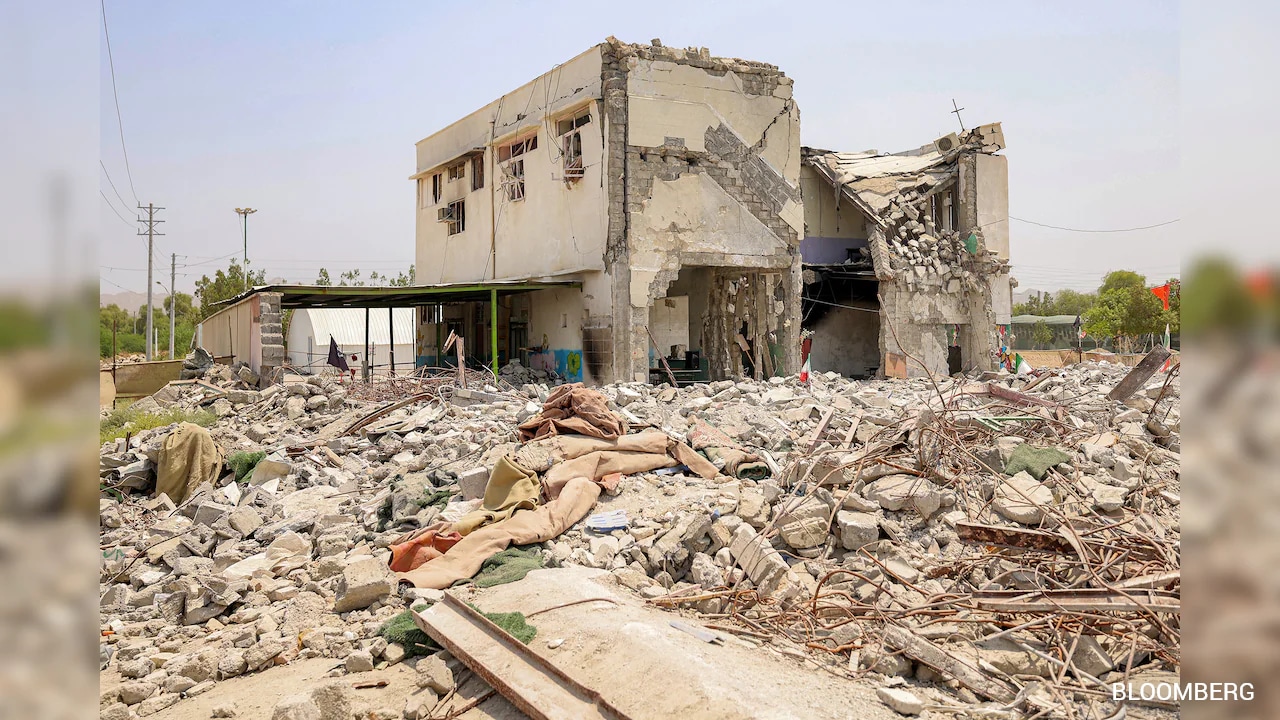
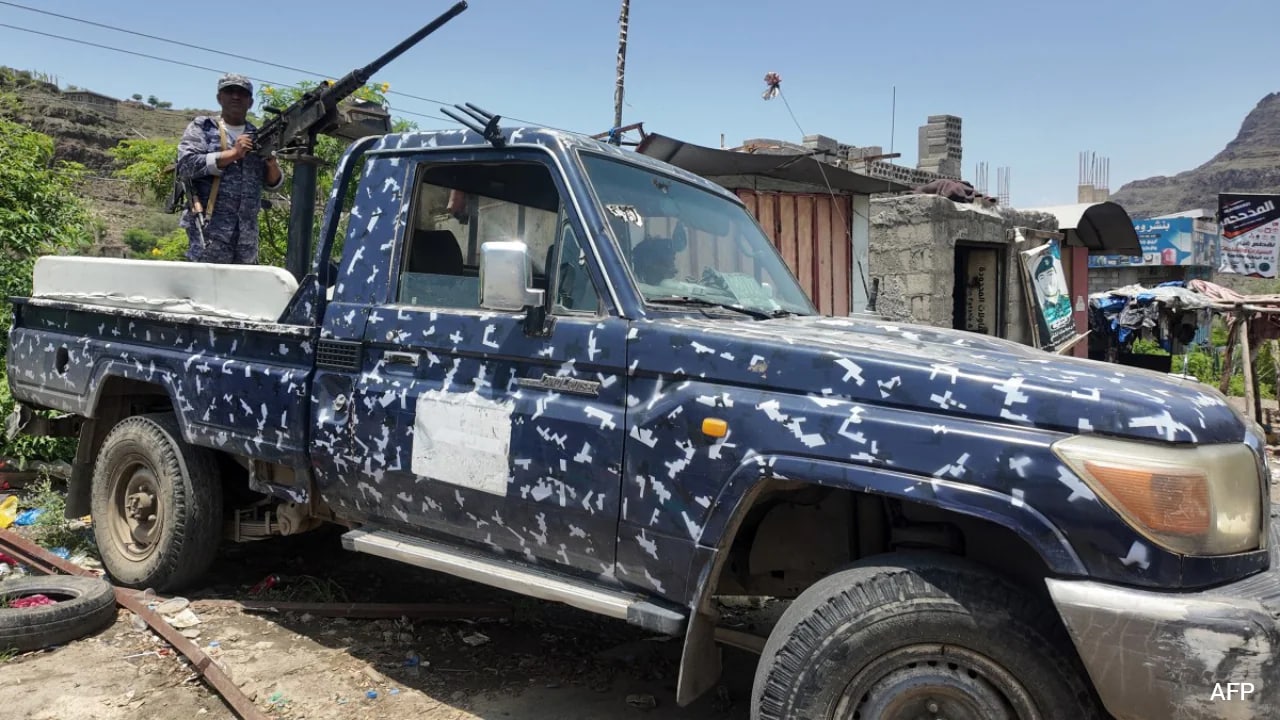
At least 58 Yemeni government troops were killed in missile and drone attacks by the Iran-backed Houthi movement on Thursday, according to a military source, in one of the deadliest days of the country's civil war in four years.
The attacks targeted positions held by forces loyal to the internationally recognised government, which is backed by a Saudi Arabia-led coalition. A military source, speaking on condition of anonymity, confirmed the casualty count. The dead included troops from several brigades, and many others were wounded, the source said. The Houthi movement has not yet commented on the reported strikes.
The conflict in Yemen, which began in 2014, has resulted in one of the world's worst humanitarian crises. Despite repeated UN-brokered ceasefire attempts, violence has continued in several parts of the country. The United Nations has documented tens of thousands of civilian deaths and widespread displacement. Thursday's death toll marks a significant escalation, as such high single-day casualties have not been recorded since at least 2022.
The Houthis have controlled the capital Sanaa and much of northern Yemen since 2014, while the internationally recognised government operates from the southern port city of Aden. The conflict has drawn in regional powers, with Iran providing military support to the Houthis and a Saudi-led coalition backing the government. Peace efforts have repeatedly stalled, and sporadic fighting has continued despite temporary truces.
In a related but separate incident, the Saudi military said that more than 10 civilians, including a four-year-old child, were injured in Saudi Arabia on Thursday following a series of Houthi attacks. The strikes caused injuries and material damage in border regions, and Saudi air defences intercepted several projectiles. The Houthis have frequently launched cross-border attacks into Saudi Arabia during the conflict, citing retaliation for coalition airstrikes on Yemeni territory.
Meanwhile, Israel reported its first military fatalities in southern Lebanon in more than a month. The deaths occurred during fresh Israeli strikes carried out despite ongoing U.S.-backed talks in Rome aimed at ending hostilities. The Israeli military said the soldiers were killed in combat operations, but provided no further details. These are the first Israeli military casualties in southern Lebanon since June 28.
Lebanese state media reported that one person died and 11 others were wounded in a separate Israeli strike. The incident underscores the fragile security situation along the Israel-Lebanon border, where tensions have remained high amid the wider regional situation. Both sides have exchanged fire repeatedly in recent months, but full-scale conflict has so far been avoided.
The Rome talks, which involve U.S. mediators, are part of efforts to stabilise the border area and prevent a broader conflict. However, the continued exchanges of fire indicate that a durable agreement remains elusive.
In parallel, global oil markets extended gains on Friday amid concerns about the Strait of Hormuz. Iran, working with Oman, has proposed banning vessels deemed hostile from the strategic waterway and imposing heavy fines on violation. The strait handles a significant share of the world's oil supply, and any threat to its freedom of navigation has immediate implications for energy prices. Markets have been on edge in recent weeks as geopolitical risks in West Asia intensify. In 2019, attacks on Saudi oil facilities briefly disrupted global supplies, highlighting the vulnerability of the region's energy infrastructure. The proposed measures, reported by regional media, are yet to be formally adopted or implemented.
The events of August 6 and 7 illustrate a volatile regional landscape. Multiple flashpoints, from Yemen to Lebanon and the Persian Gulf, remain interconnected, and diplomatic efforts face significant challenges. For civilians across these areas, the immediate priority remains the restoration of stability and the protection of human life. The coming days will be crucial in determining whether talks can translate into concrete de-escalation on the ground.