Lights on till 9 p.m. at Bengaluru lakes: why birds that roost at dusk are at risk

At Dorekere and Doddakalasandra lakes in Bengaluru, dusk once marked a quiet transition. As daylight faded, hundreds of birds would arrive to settle on islands and trees for the night. Now, bright spotlights stay on at the lakes until 9 p.m., and residents who monitor these water bodies say the extended lighting is disturbing the birds' roosting spaces.
Until recently, the lights were switched off by 7 p.m. The change followed the installation of centrally monitored lighting through CCMS (Centralised Control and Monitoring System) smart meters, which apply a common schedule to the lakes.
Bengaluru's lakes are among the city's most important green and water spaces, supporting biodiversity alongside public recreation. Several of them, including Dorekere and Doddakalasandra, have been restored and are watched over by Kere Mitras and citizen groups who record bird populations and flag changes in the habitat.
Kere Mitras — residents who protect, maintain and monitor the lakes — and NGOs working on lake conservation point out that applying a single lighting schedule to all lakes ignores their ecological function, particularly in the evening, when large numbers of birds return to sleep. Bright lakeside spotlights blind and confuse the birds, they say, causing them to lose their way.
The concern is sharpest at Dorekere lake, where birds arrive in large numbers in the evening and settle on the island and surrounding trees. A biodiversity study by ActionAid, in association with the Australian Consulate General, Bengaluru, recorded 63 resident species and 11 migratory species at the lake between July 2023 and May 2024.
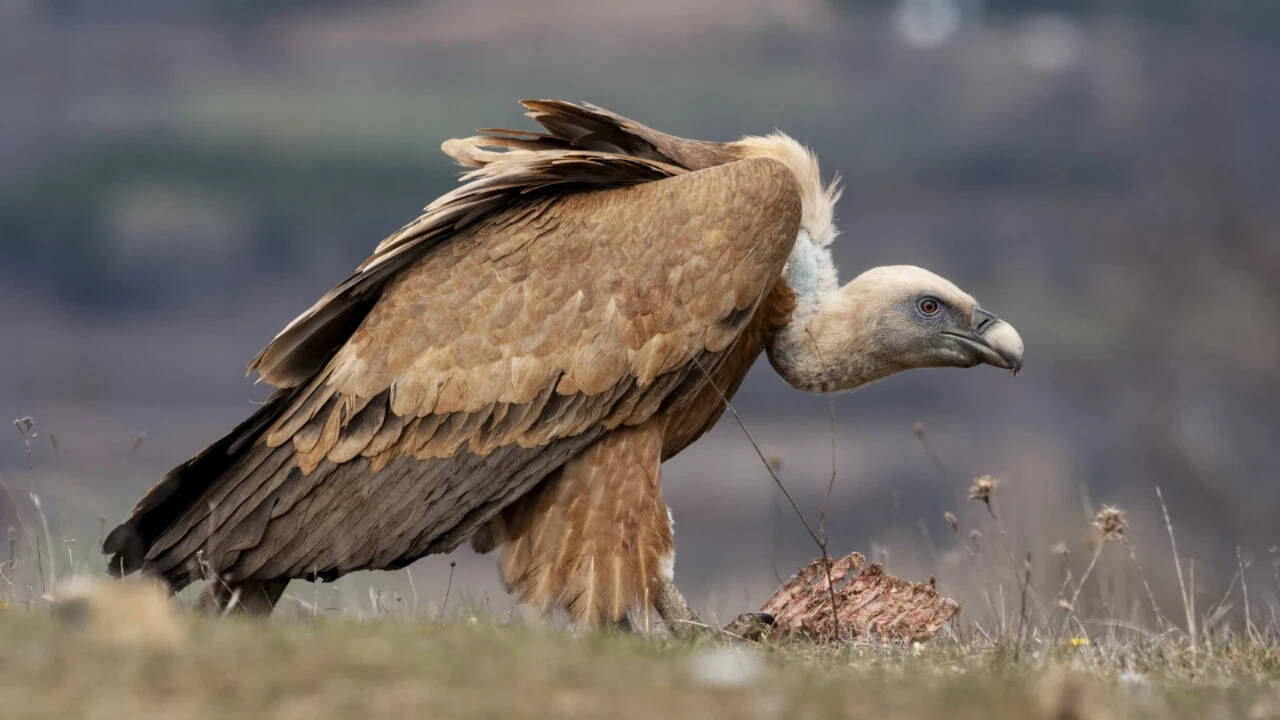
Species such as the Glossy Ibis, Cattle Egret and Black-headed Ibis have been observed using the lake's island to roost during the non-breeding season, even though they have not been recorded breeding there. Glossy Ibis numbers rise significantly around mid-October, with up to 620 birds recorded roosting on the island.
Volunteers say birds use the onset of darkness as a cue to settle down. When lights fall directly on the trees or the island where they roost, the birds stay active for longer. They may eventually move to darker parts of the lake or look for another roost altogether.
Raghavendra B. Pachhapur of ActionAid said the earlier schedule allowed the lake to grow dark relatively soon after dusk. He said the issue was not about preventing residents from using the lakes in the evening, but about treating a lake ecosystem differently from a conventional public space.
At Doddakalasandra, ActionAid's recent survey recorded 46 bird species in a single day during March this year. Soundararajan Rajagopalan, a Kere Mitra for Doddakalasandra lake, noted that migratory birds visit Bengaluru between October and March, and that the lake attracts both water-dependent and tree-dependent species.
He said the impact of artificial lighting is not limited to a bird choosing a different tree for the night. A roost is part of a larger habitat, and repeated disturbance can change how birds use a lake over time. “If you continue to do that, it disturbs birds and they will not consider this as a home and it has to switch places,” Mr. Rajagopalan said, adding that with this small change, the birds are being pushed towards the outskirts.
GBA officials said the lights were set on an auto-timer until 9 p.m. to avoid any kind of illegal activity and to help the public feel safe, as the lakes are usually open until 7.30 p.m. to 8 p.m., depending on the location.
Both sides agree on the value of the lakes as shared public spaces. The question is whether one lighting timetable can serve both the people who visit each evening and the birds that arrive to rest. Conservationists suggest that zone-wise or dimmed lighting — keeping roosting islands and tree clusters dark while lighting walkways and entrances — could meet safety needs without disturbing the habitat. No such revision has been announced so far.