Leptospirosis Cases Rise in Mumbai After Floods: Doctors Advise Caution
Mumbai and its neighbouring districts are seeing a rise in leptospirosis cases as floodwaters recede after days of heavy rainfall. The bacterial infection, also known as rat fever, spreads through contact with contaminated water and can lead to severe complications if not treated early.
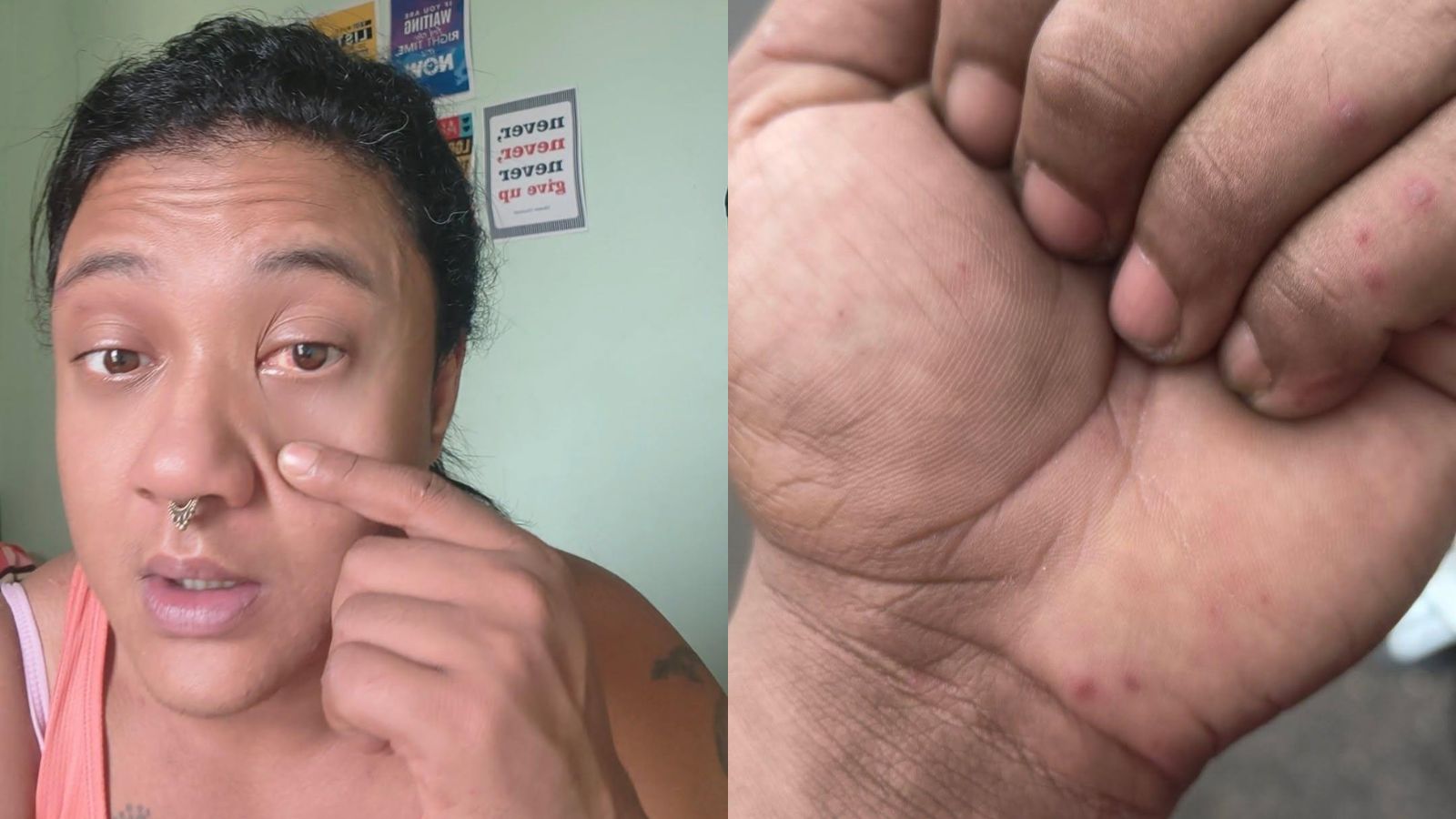
Aanantaa Sujata Barua, a fitness coach from Navi Mumbai, developed symptoms after wading through flooded streets. She initially thought she had a viral infection but later developed painful red bumps on her palms, fingers and feet. Doctors diagnosed her with leptospirosis and she is now recovering after a course of antibiotics.
“I have to go to work every day, whether it’s monsoon or summer. I travel on my scooter but during the rains there is so much flooding in Ulwe that I have no option but to ride and walk through flooded roads to reach the station and my workplace. A few days later, I noticed tiny red bumps on my palms, fingers and feet. They were burning and extremely painful — I couldn’t even close my hands. The next day, I developed a fever and immediately went to a doctor,” she said.
Similarly, an 11-year-old girl from Wadala was admitted to Cama and Albless Hospital with fever, body aches and headache. She was diagnosed with leptospirosis early and is responding well to treatment. Dr Tushar Palve, medical superintendent of the hospital, said delayed diagnosis can lead to severe complications, including organ failure.
“If patients report early, the disease is treatable. Delayed treatment, however, can lead to severe complications,” he said.
Leptospirosis is caused by the Leptospira bacteria, which is spread through the urine of infected animals such as rats, cattle and dogs. During floods, the bacteria mix with water and mud, entering the body through cuts or abrasions on the skin. It is not transmitted from person to person.
Symptoms include fever, headache, muscle pain, red eyes, and painful red rashes on hands and feet. Diagnosis is confirmed through blood tests such as PCR or IgM antibodies. The gold standard is the Microscopic Agglutination Test (MAT), but it is only available at specialised labs.
People above 60, pregnant women, and those with chronic diseases like diabetes or lung conditions are at higher risk of severe illness. Doctors advise avoiding contact with floodwater where possible, wearing protective footwear, and cleaning any cuts immediately. If symptoms appear after exposure, seeking medical attention early is crucial.
Areas like Vasai-Virar, where floodwater remained stagnant for days, are expected to report more cases. Public health authorities have urged people to boil drinking water and maintain hygiene to prevent water-borne diseases.