Ladakh to Establish Autonomous Hill Councils in All Seven Districts
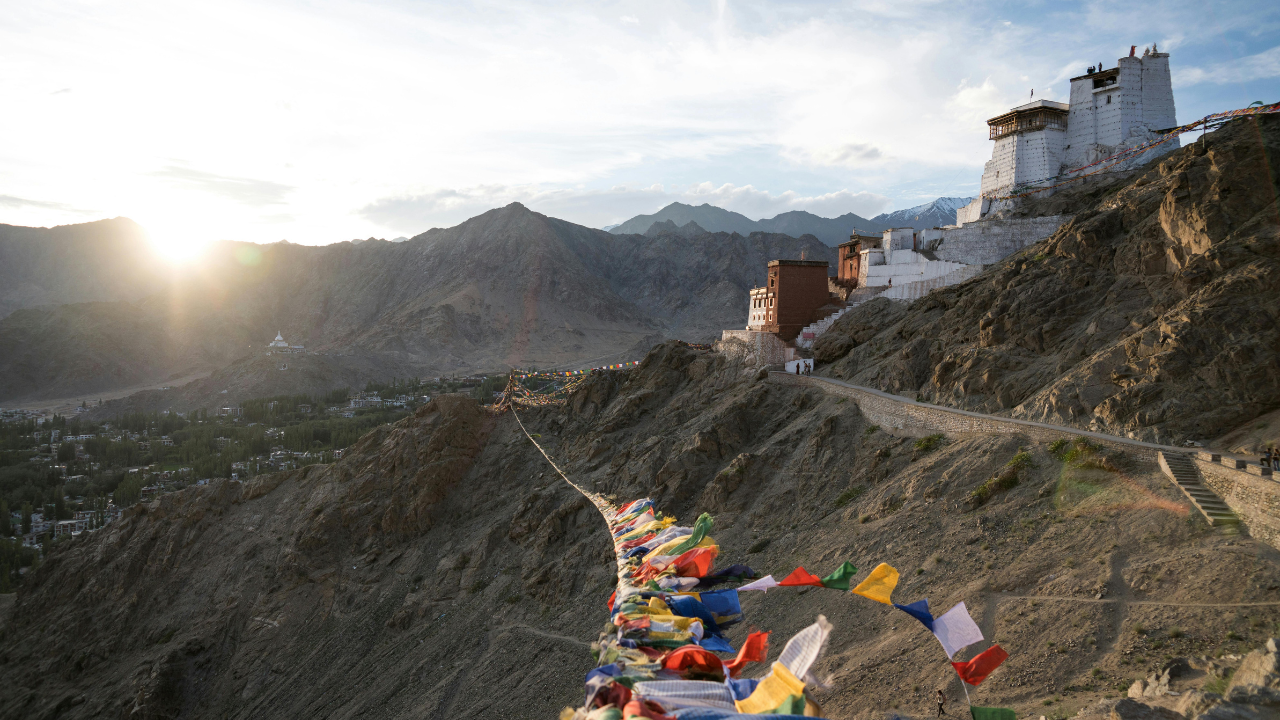
The Union Territory of Ladakh will see the establishment of an Autonomous Hill Development Council in each of its seven districts, Chief Secretary Ashish Kundra announced at a press conference in Leh. This move, described as a major step towards democratic decentralisation and grassroots governance, follows the reorganisation of Ladakh from two districts to seven in April 2026. The new districts—Sham, Nubra, Changthang, Zanskar, and Drass—were notified alongside the existing Leh and Kargil districts.
The decision is based on Section 3(1) of the Ladakh Autonomous Hill Development Council (LAHDC) Act, which already provides for a Council in every district, to be constituted from a date notified by the government. Only amendments to the Act where required and a delimitation of constituencies remain to be completed.
Each of the seven Councils will carry the full powers as set out in the LAHDC Act, ensuring that the new districts have the same authority that Leh has held since 1995 and Kargil since 2003. These powers include authority over land ownership and land allotment within the district, regulation of recruitment and promotion for district cadre posts, management of a dedicated Council Fund, and the ability to levy taxes and fees. Additionally, each Council will formulate its own development plans and be responsible for health, education, tourism, local infrastructure, and social welfare schemes at the district level.
In a significant development, a Union Territory-level body is proposed to operate above the seven Councils, under a framework modelled on Article 371. This body would have legislative, executive, financial, and administrative powers, a structure that the Chief Secretary described as having no parallel elsewhere in the country. The exact structure and powers of this UT-level body are to be settled through consultation between Ladakh's representatives and the Government of India, with some rebalancing of powers between the Councils and the UT body expected. The Councils are the first firm element of the new structure to be confirmed.
Panchayati Raj institutions will continue to function alongside the Hill Councils, ensuring elected representation at the village, district, and Union Territory levels. This multi-tier governance system aims to strengthen democratic participation and local autonomy across Ladakh.