Iran Strikes US-Linked Targets; Bahrain Reports Drone Attack Amid Fragile Ceasefire

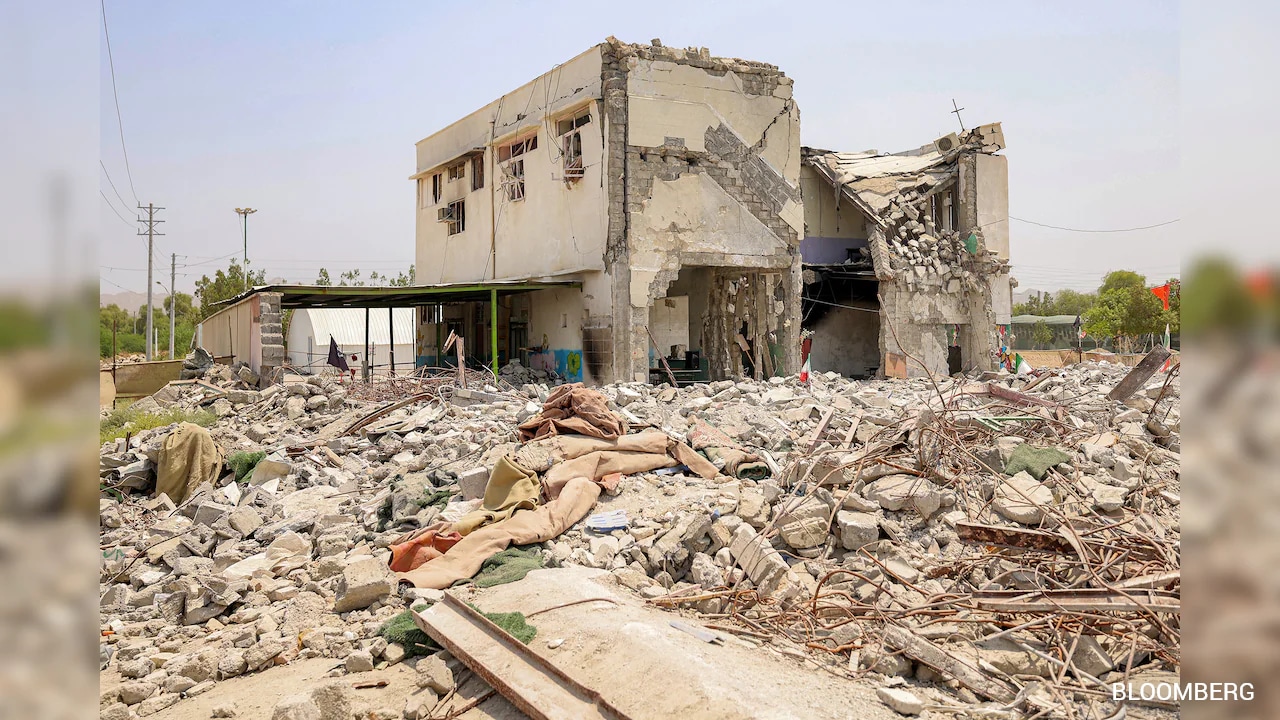
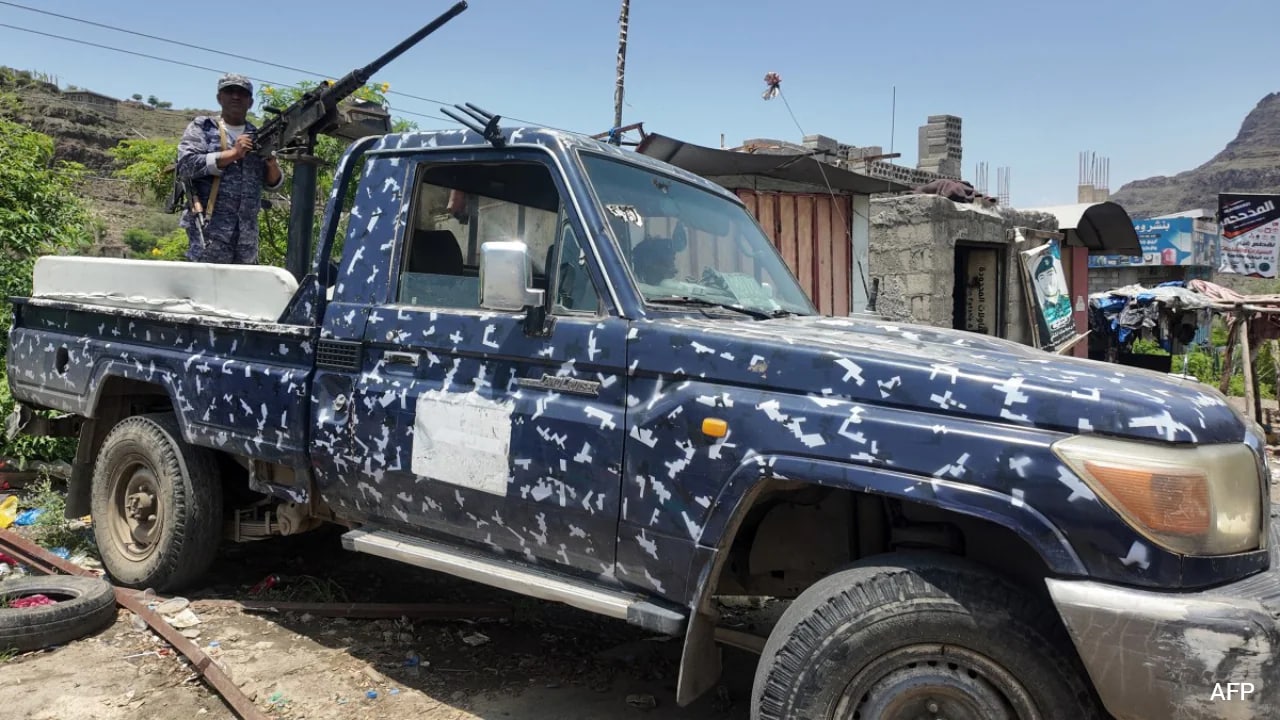
Iran announced on Saturday that it had struck targets linked to United States forces, describing the action as a defensive response to US airstrikes on its southern coast. The strikes come just days after a ceasefire agreement was reached to end a four-month conflict, with both sides accusing each other of violations.
Iran's Foreign Ministry did not specify the locations of its attacks but said they were in retaliation for what it called 'barbaric air strikes' by the US on Iranian coastal surveillance facilities. Tehran claimed these strikes violated the UN Charter.
Separately, Bahrain, which hosts the US Navy's Fifth Fleet, condemned an Iranian drone attack on its territory, calling it a flagrant violation of sovereignty and a threat to regional security. Bahrain reserved the right to defend itself but did not announce immediate military action.
The United States did not immediately respond to Iran's claim of hitting American targets. The US military had earlier stated that its Friday airstrikes were a response to an Iranian drone strike on a cargo ship in the Strait of Hormuz, a vital waterway for global energy supplies.
In a related development, Israel and Lebanon signed an agreement to end hostilities between Israel and the Iran-backed Hezbollah. The deal calls for Hezbollah to disarm and Israel to withdraw troops from Lebanon, but enforcement mechanisms remain unclear. Hezbollah has stated it will not cooperate.
Iranian state television reported that the Revolutionary Guards had delivered 'a decisive response' after US forces hit a communications tower in the port city of Sirik. Iran's Mehr news agency said the port was operating normally with no damage to facilities.
Bahrain accused Iran of undermining peace and stability despite international de-escalation efforts, and of breaching UN Security Council Resolution 2817 and the June 17 Islamabad memorandum of understanding.
Iran has not acknowledged responsibility for the Thursday strike on a cargo ship off Oman's coast. Instead, it asserted authority to regulate shipping through the Strait of Hormuz, warning Gulf states against siding with Washington and claiming that the Iran-US interim agreement gives it control over vessel traffic in the waterway.
Ebrahim Azizi, head of the Iranian parliament's national security committee, warned on Saturday that any violation of Iran's shipping instructions through the strait would be met decisively.
US Central Command condemned Iran's Thursday strike as 'unwarranted aggression against commercial shipping' and said the US would continue to provide safe passage coordination for vessels transiting the strait, which carries one-fifth of the world's oil and LNG supplies before the war began in February.
Vice President JD Vance, once a sceptic on US intervention in Iran but now a key figure in President Donald Trump's conflict strategy, said the US has adhered to the ceasefire deal. 'Iran signed a ceasefire agreement. We have honoured it. If they have disagreements about how the MOU is being applied, they can pick up the phone. But violence will be met with violence,' Vance wrote on X.
Oil prices fell about 3% on Friday, heading for steep weekly losses as tankers exit the region amid heightened tensions.