India Rejects Ex-Japanese Minister's 'Factually Incorrect' Claims on Bullet Train Delays
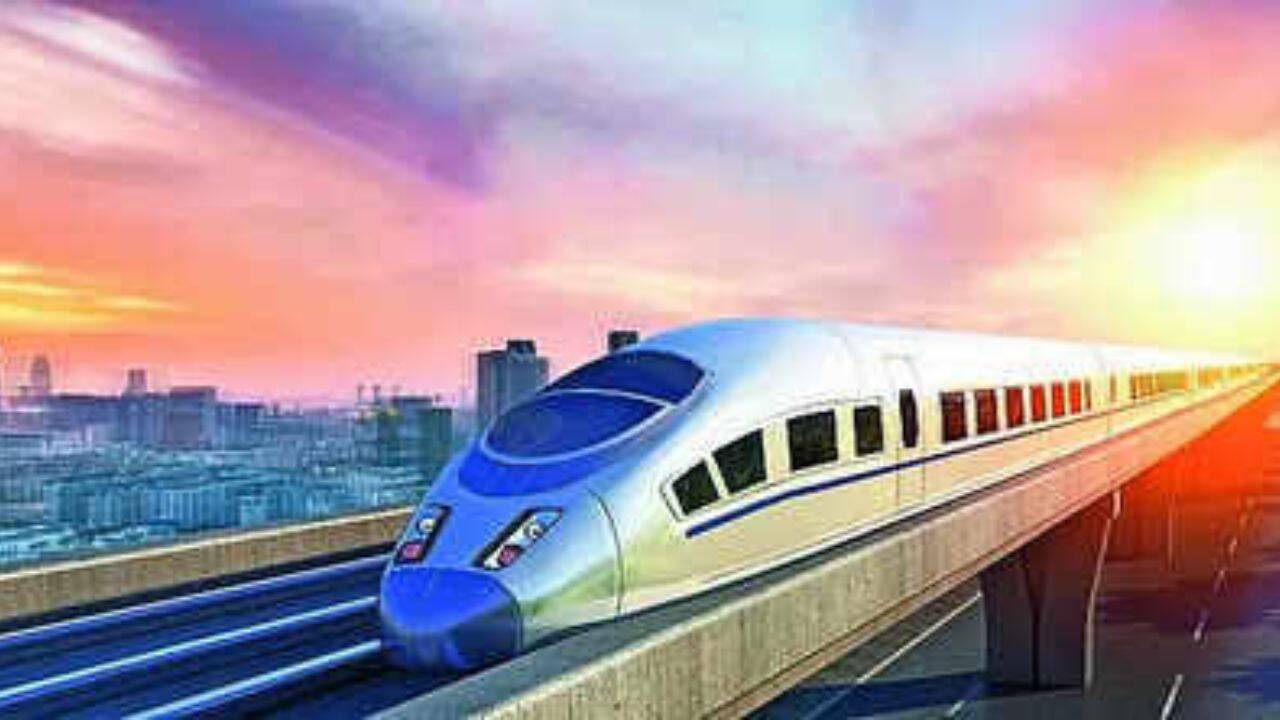
The Indian government has firmly defended its high-speed rail cooperation with Japan, dismissing as 'factually incorrect' the remarks of former Japanese justice minister Hideki Makihara, who had blamed Indian authorities for the lack of progress on the Mumbai-Ahmedabad bullet train project.
The Ministry of External Affairs (MEA) stated that Makihara's comments were the opinion of an individual and 'at considerable variance with facts.' Diplomatic sources clarified that Makihara was not speaking on behalf of the Japanese government, nor was he directly involved in the project.
The rebuttal comes after the India-Japan summit, where Prime Ministers Narendra Modi and Sanae Takaichi reaffirmed the project's importance as a flagship bilateral initiative. Takaichi noted that Japan fully understood India's target to commence commercial operations on priority sections by 2027.
The original deadline of 2023 was missed due to delays in land acquisition. The first operational section will be between Surat and Bilimora in Gujarat, with Railway Minister Ashwini Vaishnaw announcing a target of August 2027.
Regarding rolling stock, MEA spokesperson Randhir Jaiswal said Japan will provide its E10 series trains, but only in the early 2030s as the model is still under development. For the initial section, India will use its own high-speed train. 'The signalling equipment has been ordered accordingly and is in line with international specifications. No Japanese offer was received in this context,' Jaiswal added, refuting Makihara's claim that Japan was excluded from the signalling procurement.
The project, estimated to cost over Rs 1.1 lakh crore, is being executed with Japanese technical and financial assistance, including a soft loan covering the majority of the cost. Despite the delays, both sides remain committed to completing the corridor, which will eventually connect Mumbai and Ahmedabad in under three hours.