Delhi HC Order Cripples Visa Services at Four Missions, Govt Tells Supreme Court
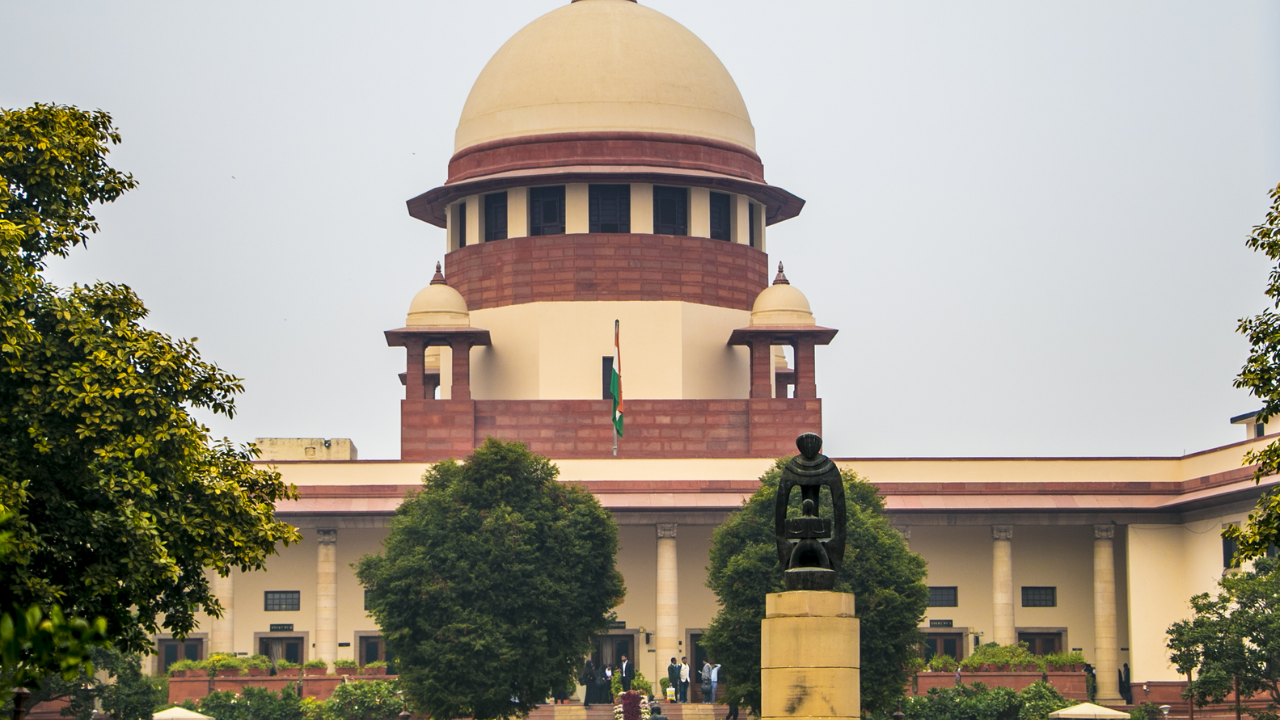
NEW DELHI: The Central government on Friday informed the Supreme Court that visa and consular services at Indian missions in Abu Dhabi (UAE), Kuwait, Singapore, and Canberra (Australia) have been severely affected. These services, which are outsourced to private entities, cater to lakhs of Indian nationals, Overseas Citizens of India (OCIs), and foreign visa applicants. The disruption follows a Delhi High Court order that quashed the selection of private service providers for these missions.
Solicitor General Tushar Mehta, representing the Centre, told a bench led by Chief Justice of India Kant that the cancellation of the tender award to the successful bidder had brought these services to a standstill. “We outsource consular, passport, and visa services to private entities like other countries. The cancellation of award of tender to the successful bidder has brought these services in four countries to a standstill. The Indian missions have diverted staff to meet emergency needs of people,” Mehta said. The bench agreed to list the appeal for hearing on Monday.
The Delhi High Court, in its order on Wednesday, set aside the entire technical evaluation process conducted by the 'expert outsourcing committees' for the four missions. It annulled the award of tender in favour of a private party despite the execution of the contract and commencement of services by the highest bidder. The court directed the government to float a fresh request for proposal (RFP).
Between November 2025 and January 2026, separate RFPs were issued by the Indian missions in Abu Dhabi, Kuwait, Singapore, Canberra, and Riyadh. Each RFP contemplated a two-stage bidding process: a technical-bid stage followed by a financial-bid stage. The opening of financial bids was confined to bidders who secured a minimum qualifying score of 70 out of 100 marks in the technical evaluation.
All bidders, including E Trav Tech Ltd—which had challenged the rejection of its bid before the High Court—had accepted the evaluation methodology. The Centre stated that E Trav Tech failed to qualify the technical stage before seven independent missions as it scored below the threshold in the evaluations.